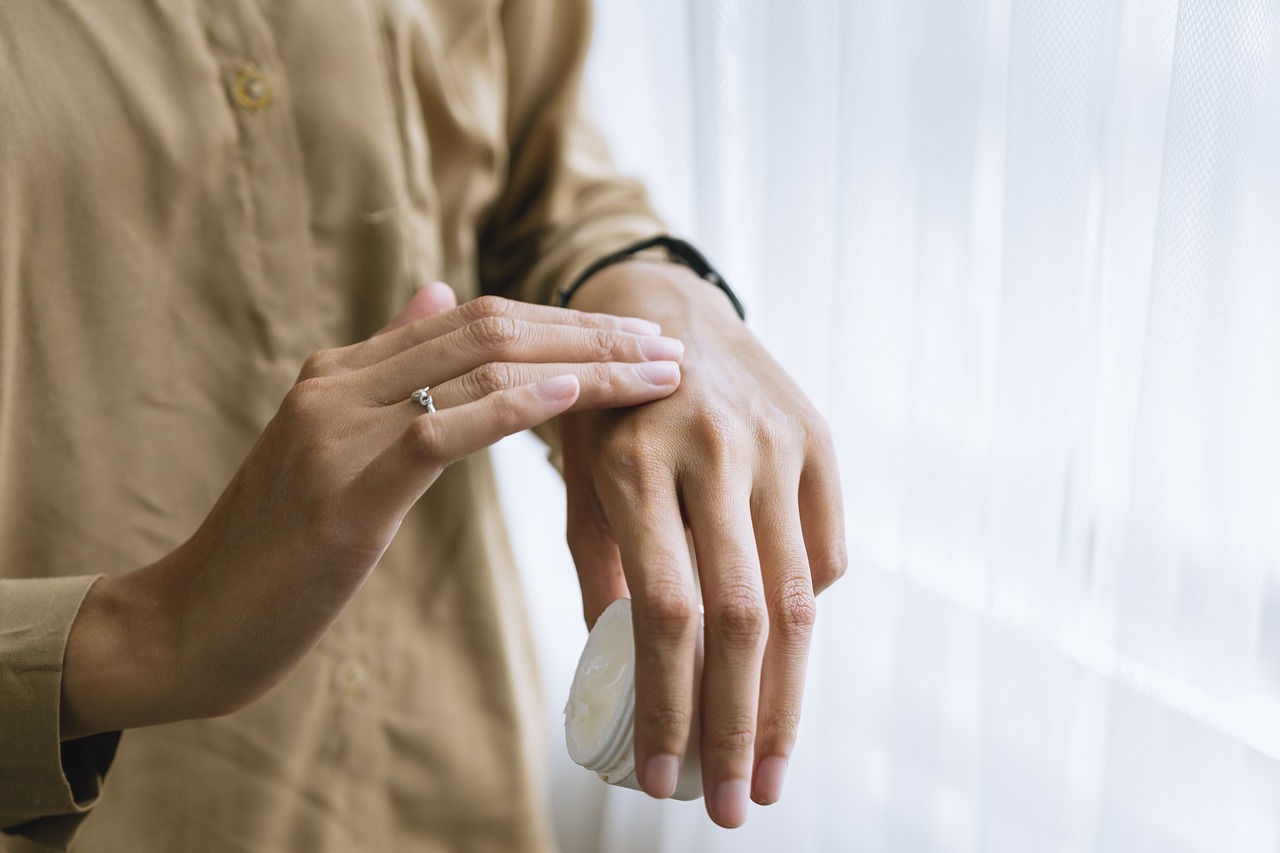
Comment conserver son bronzage ?

The Link Between Cognitive Decline and Insufficient Nutrition

Vitamins for Optimal Eyes and Vision Sharpness

Understanding the Basics of Heart Rate in Adults & Elderly

Comment choisir des produits cosmétiques qui correspondent à votre routine beauté ?

Hypertension: how to reduce the risk

What are the effects of cocaine on the behaviour?

The Health Benefits of Drinking Coffee

Difference Between a Therapy Dog and a Service Dog

What is Animal Therapy and How Does It Work?

Author Archives: Stéphane Bastianetto

  1. Comment conserver son bronzage ?

    Leave a Comment

    L’été est là, et avec lui vient l’envie de profiter du soleil et d’obtenir un bronzage parfait. S’il est facile d’obtenir un bronzage, il n’est pas toujours facile de l’entretenir. Alors, comment conserver son bronzage ? Voici quelques conseils pour vous aider.


    Hydratez votre peau

    L’hydratation de la peau est essentielle pour que le bronzage reste frais et éclatant. Lorsque votre peau est exposée au soleil, elle peut se déshydrater et se dessécher, ce qui l’empêche de conserver son hydratation naturelle. Un manque d’hydratation peut rendre votre peau floconneuse et terne, ce qui peut également accélérer la disparition de votre bronzage. En utilisant une crème hydratante contenant des ingrédients nourrissants tels que l’aloe vera ou l’huile de noix de coco, vous pouvez garder votre peau hydratée et régénérée. Ces ingrédients sont connus pour leurs propriétés hydratantes, qui permettent de rétablir l’équilibre naturel de l’hydratation de votre peau et de lui conserver son aspect doux et souple. En outre, l’utilisation d’une crème hydratante après une journée au soleil peut également aider à apaiser les coups de soleil ou les irritations, ce qui peut contribuer à prolonger votre bronzage. Veillez donc à inclure l’hydratation dans votre routine quotidienne de soins de la peau pour que votre bronzage soit le plus beau possible le plus longtemps possible.


    Utiliser des gommes à bronzer

    La gomme pour bronzer est un des nouveaux compléments révolutionnaires qui vous aident à conserver votre bronzage tout au long de l’année. Utilisant des ingrédients actifs scientifiquement prouvés, ces produits peuvent être extrêmement bénéfiques.


    Exfoliez votre peau

    L’exfoliation de la peau est une étape cruciale pour conserver un bronzage sain et uniforme. Lorsque les cellules mortes s’accumulent à la surface de la peau, elles peuvent donner à votre bronzage un aspect irrégulier. L’exfoliation permet d’éliminer ces cellules mortes et de révéler la peau fraîche et saine qui se trouve en dessous. Cela peut contribuer à améliorer l’apparence de votre bronzage et à le rendre plus éclatant et plus uniforme. Toutefois, il est important d’utiliser un gommage doux, car les gommages agressifs peuvent endommager la peau et provoquer des irritations. Un gommage excessif peut également priver la peau de ses huiles naturelles, ce qui peut entraîner une sécheresse et une desquamation. Il est donc recommandé d’effectuer un gommage une fois par semaine pour conserver une peau saine et un beau bronzage.


    Éviter les douches trop chaudes

    Il est essentiel de faire attention à la température de l’eau lorsque vous prenez une douche, surtout si vous souhaitez conserver un bronzage magnifique et durable. Bien que les douches chaudes puissent sembler relaxantes et apaisantes, la chaleur peut provoquer le dessèchement de votre peau, ce qui peut entraîner une desquamation, une écaillage et, en fin de compte, un bronzage qui s’estompe. En effet, l’eau chaude peut éliminer les huiles et l’hydratation naturelles dont la peau a besoin pour rester saine et hydratée. En revanche, prendre des douches tièdes peut contribuer à maintenir votre peau hydratée et en bonne santé. La température plus fraîche peut aider à sceller l’humidité, empêchant ainsi votre peau de devenir sèche et squameuse. Si vous ne supportez pas l’idée d’une douche fraîche, essayez de maintenir la température aussi basse que possible et de prendre des douches courtes.


    Restez hydraté

    Il est essentiel de boire beaucoup d’eau pour conserver son bronzage. Lorsque vous êtes déshydraté, votre peau peut devenir sèche et squameuse, ce qui peut accélérer la disparition de votre bronzage. Buvez au moins huit verres d’eau par jour pour garder votre peau hydratée et votre bronzage éclatant.

    Mettez de la crème solaire

    Le port d’une crème solaire est important, non seulement pour protéger votre peau des rayons UV nocifs, mais aussi pour préserver votre bronzage. La crème solaire empêche la peau de brûler, ce qui peut accélérer la disparition du bronzage. Choisissez une crème solaire avec un indice de protection élevé et appliquez-la toutes les deux heures lorsque vous vous exposez au soleil.

  2. The Link Between Cognitive Decline and Insufficient Nutrition

    Leave a Comment

    Is there a connection between inadequate nutrition and cognitive decline? Our research explores the link between dietary deficiencies and degenerative brain issues such as Alzheimer’s disease.

    It is well known that proper nutrition plays a vital role in maintaining a healthy mind and body. But how does food availability or dietary insufficiency impact cognitive health as we age? Our research takes an in-depth look at the connection between food insecurity and the risk of developing degenerative brain issues such as Alzheimer’s Disease.


    What is the Connection Between Nutrition and Cognitive Decline?

    Recent evidence indicates that there is a link between the inadequate nutrition and the risk of cognitive decline. Dietary insufficiency has been linked to specific degenerative brain issues, especially in older adults. Poor nutrition, specifically from a lack of B vitamins and zinc, can hasten cognitive decline and increase the likelihood of developing age-related diseases.


    Deficiencies in Vitamins and Minerals

    One common thread between inadequate nutrition and cognitive decline is deficiencies in certain vitamins and minerals. B vitamins, such as thiamine, riboflavin, niacin, and folate are paramount for healthy brain function but are often taken less by individuals with a poor diet. The mineral, zinc, which has been studied in relation to brain aging, is also another important factor in staying sharp as we age. Without sufficient zinc to maintain strong neuronal functioning, individuals may find their brains behind in the race of thinking power.


    Exploring Alterations in Diet Quality And Cognitive Function

    Recent research studies have investigated the association between alterations in diet quality, such as commonly known Mediterranean or DASH diets, and cognitive functioning. For example, a study observed over 2,000 individuals for 25 years. The results of the study concluded that individuals following a poor dietary pattern experienced a significantly slower rate of cognitive age compared to those maintaining an ideal diet. Further reporting indicated that even moderate changes in one’s diet can help maintain healthy brain processing and memory recall.


    Managing Oxidative Stress Through Dietary Changes

    Oxidative stress, which is caused by an imbalance in the body’s redox system, has been linked to cognitive decline and other degenerative brain diseases. Recent studies suggest that diet modifications can help reduce excessive oxidative stress and promote healthy brain function. A diet that is rich in antioxidants, such as vitamins A, C, E, B-complexes, and minerals such as selenium and zinc may help promote a balanced redox state reducing oxidation levels and potentially improve cognitive health. Additionally, Omega-3 fatty acids have shown promise in reducing inflammation within the brain — a major concern when dealing with chronic illnesses like Alzheimer’s.


    A Relationship Between Cognitive Decline and Inadequate Nutrition ?

    Research suggests that inadequate nutrition may be a major factor in the development of cognitive decline, dementia, and other degenerative brain diseases. Deficiencies in vital vitamins and minerals — for instance, B-complex vitamins, antioxidants like vitamin A and C, minerals such as zinc and selenium, and omega-3 fatty acids — are associated with numerous physical ailments which can all contribute to the progression of neurodegenerative disease. Consequently, it is essential for individuals to consume healthy balanced meals to maintain adequate levels of beneficial nutrients to support proper cognitive functioning.


    News

    Nutrition has been proven to play a vital role in maintaining cognitive health and preventing cognitive decline, which can lead to dementia. There is no single food or nutrient that can serve as a “magic bullet,” but rather, it is the combination of healthy foods and nutrients found in certain dietary patterns, such as the Mediterranean Diet and MIND Diet – consisting largely of plant-based unprocessed or minimally processed ingredients including vegetables, extra-virgin olive oil (EVOO), berries, fruits, and nuts – that work together to provide neuroprotective benefits. Other factors such as physical activity, quality of sleep, socialization are also essential for reducing the risks of dementia. Recent studies have shown that having no sleep disturbances, being well-educated, not having diabetes or hypertension history, abstaining from drinking alcohol and being non-obese are all factors associated with lower risks of all-cause dementia. Source: Nutrition, Physical Activity, and Other Lifestyle Factors in the Prevention of Cognitive Decline and Dementia

  3. Vitamins for Optimal Eyes and Vision Sharpness

    Leave a Comment

    Take care of your eye health and sharpen your vision with the benefits of vitamins! Learn more about what vitamins you should incorporate into your diet for maximum benefit.

    Keeping your eyes healthy means more than eating carrots. Vitamins can play a key role in helping to improve or maintain your vision and overall eye health. Find out which vitamins you should incorporate into your diet for your eyes.


    Vitamin A: one of the best Vitamins that Maintain Function of the Eyes

    Vitamin A is one of the vitamins that is essential for the maintenance and function of the eyes. It helps to reduce free radicals, which can cause damage to the cornea, leading to dry eyes, dark spots, and even vision problems. Vitamin A helps to encourage healthy cell growth in the retina, improving visual performance and night vision. Eating foods such as spinach, kale carrots, and sweet potatoes provide your body with plenty of vitamin A.


    Vitamin B Complex: Prevent Deficiencies that Impact the Eyes

    Vitamin B complex, which includes thiamin, riboflavin, niacin, and others, helps to reduce risk of vision loss due to deficiencies. Vitamin B12 can help reduce the risk of macular degeneration that occurs as a result of aging. Increasing your intake of dairy products, eggs and beef liver are healthy sources of vitamin B. Foods such as legumes and nuts also contain essential nutrients that impact eye health such as folate and biotin.


    Vitamin C: Strengthen Ocular Muscles and Cornea

    Vitamin C is a powerful antioxidant that helps to strengthen the ocular muscles and cornea, as well as maintaining good vision health. Vitamin C can be found in foods such as oranges, strawberries, pineapple, bell peppers and kale. Its properties are known for boosting immunity and preventing other common ailments such as colds or flu. Additionally, incorporating vitamins including vitamin C into your diet regularly can help fight off degeneration of the eyes or infections.


    Omega-3 Fatty Acids: Protect From Dry Eye Syndrome and Macular Degeneration

    Omega-3 fatty acids are an essential nutrient for eye health. They are known to help strengthen your eyes and protect them from damage or weakening due to aging processes. Foods high in omega-3 such as salmon, mackerel, and walnuts can help reduce the risk of developing dry-eye syndrome and macular degeneration. Omega-3 fatty acids also contain the antioxidant DHA, which helps fight inflammation and supports healthy vision. Regular intake of foods with omega-3 fatty acids, along with vitamins, is essential for your eyes health and vision sharpness. Epidemiological studies have reported a beneficial effect of dietary omega-3 in the prophylaxis of macular degeneration. However, scientists consider that it is too early to consider omega-3 as an effective nutrient to prevent macular degeneration.


    Antioxidants including Vitamins: Slow Down the Damage Caused by Free Radicals in Your Eyes

    Antioxidants, including vitamins A, C, and E, can help slow down the damage caused by free radicals to the retina, cornea, and lenses in your eyes. Vitamin A helps keep your eyes moist while vitamin C is important for reducing corneal swelling. Vitamin E has a number of benefits that include improved night vision and protection against cataracts as well as macular degeneration. Fruits such as papayas, oranges and strawberries are some sources of these vitamins which make them ideal for healthy eye maintenance!

  4. Understanding the Basics of Heart Rate in Adults & Elderly

    Commentaires fermés sur Understanding the Basics of Heart Rate in Adults & Elderly

    Knowing your regular heart rate can be important in keeping track of your health, especially as you age. This article provides an overview of the average adult and elderly rate and how they are measured, along with factors that can affect them.

    The tenth cranial nerve, known as the vagus nerve, is responsible for controlling heart rate. This nerve is located in the medulla oblongata, which is part of the brain stem. When vagal tone increases, it inhibits the heart’s pacemaker, known as the sinus node, resulting in a decrease in heart rate. The brain stem and central autonomic network work closely together, with the prefrontal cortex playing a key role in this communication.


    What Is Heart Rate?

    There are many factors that can affect it in adults and elderly, such as age, activity level, environmental temperature, emotions, medications, posture and stress. Age is an important factor that affects it, the older a person gets, the slower it is likely to be. Activity level can also increase heart rates; people who are more active tend to have higher resting heart rates than those who are less active. Additionally, environmental temperature can influence adult and elderly rates.


    How to Measure It Properly

    Accurately measuring your heart rate is important in order to determine if it’s within the normal range. You can do this with a monitoring device or by feeling your pulse in your wrist. To feel your pulse, you must put two fingers between the bone and tendon over your radial artery––this is located on the thumb side of your wrist; then, count the number of beats you feel in 10 seconds. Multiply this number by 6 to get your heart rate per minute. However, keep in mind that if you are taking medications or have irregular heartbeat, it may be necessary to use an ECG machine to measure it accurately.


    Interpreting Your Heart Rate Readings

    The readings allow you to evaluate the overall health of your heart. Generally, a lower it is associated with better cardiovascular fitness and improved general health while a higher resting heart rate indicates decreased fitness levels. If your reading is below or above the normal range, it’s important to speak with your doctor or healthcare provider to determine the cause and what steps you can take to get back in shape.


    Understanding the Role of Age and Gender

    Age and gender are two of the most influential factors when it comes to determining a person’s heart rate. Generally, younger people typically have lower heart rates than older individuals because as we age, our hearts gradually become less efficient at pumping blood around the body. Additionally, women tend to have lower resting heart rates than men due to differences in body composition and muscle mass. Knowing your age and gender can help you better understand what your resting heart rate should be.

  5. Comment choisir des produits cosmétiques qui correspondent à votre routine beauté ?

    Leave a Comment

    Il est important de choisir les bons produits cosmétiques pour votre routine. Si vous êtes à la recherche de produits cosmétiques, de soins de la peau ou de produits capillaires, il est faut opter pour des articles sûrs, efficaces et adaptés à votre routine quotidienne. Dans cet article vous trouverez des conseils pour choisir des produits qui correspondent à votre routine beauté.


    Comprendre votre type de peau et de cheveux

    Lorsque vous choisissez des produits cosmétiques, il est également essentiel de connaître votre type de peau et de cheveux. Cela devrait vous aider à opter pour des produits adaptés à vos besoins individuels. Les types de peau les plus courants sont : grasse, sèche, mixte et sensible. Les cheveux longs peuvent être épais et bouclés ou raides et fins.

    Le choix de la meilleure crème de jour est un aspect important des soins de la peau. Les crèmes peuvent nourrir et protéger la peau tout en traitant des problèmes particuliers, tels que le vieillissement, l’acné et l’hyperpigmentation. Mais l’utilisation d’une lotion inappropriée peut provoquer des irritations, de l’acné et d’autres problèmes de peau. Il est essentiel de choisir une crème adaptée à votre type de peau, qu’elle soit grasse, sèche, mixte ou sensible. Vous pouvez ainsi améliorer la santé et l’apparence de votre peau et éviter de futurs problèmes. Lisez attentivement les étiquettes et les listes d’ingrédients, et n’hésitez pas à demander l’avis d’un dermatologue ou d’un autre spécialiste des soins de la peau.

    Image par Silvia de Pixabay

    Identifier vos préoccupations beauté

    Il est également important de déterminer ses préoccupations beauté. Celles-ci peuvent aller de l’anti-âge à l’hydratation en passant par le contrôle du sébum. Vos besoins peuvent varier en fonction de votre âge, de votre mode de vie et de vos préférences personnelles. Connaître vos préoccupations beauté peut vous aider à choisir des cosmétiques adaptés à vos défis et objectifs spécifiques.


    Choisir les meilleurs produits cosmétiques

    Il est temps de commencer d’acheter des cosmétiques lorsque vous aurez déterminé votre type de peau et de cheveux, ainsi que vos préoccupations beauté. Comme il y a tant de produits sur le marché, cette tâche peut s’avérer difficile. Pour faciliter l’opération, commencez par examiner les étiquettes et les listes d’ingrédients. Recherchez des articles qui ne contiennent pas de produits chimiques potentiellement dangereux et qui utilisent des ingrédients sûrs et efficaces.

    Lorsque vous choisissez des produits cosmétiques, gardez à l’esprit vos habitudes de santé. Si vous faites souvent de l’exercice, par exemple, vous pouvez utiliser des crèmes hydratantes légères qui n’obstrueront pas vos pores pendant l’effort. Si vous passez beaucoup de temps à l’extérieur, vous devriez penser à appliquer un maquillage qui protège du soleil. Évaluez votre routine régulière tout en choisissant des cosmétiques qui correspondent à votre style de vie.


    Les cosmétiques dans votre routine beauté

    Une fois que vous avez choisi les bons produits cosmétiques, il est essentiel de les inclure dans votre routine beauté. L’application d’une crème hydratante le matin et d’un pschitt pour le visage après une séance de sport peut vous aider.

    Il est essentiel d’adapter votre utilisation de cosmétiques en fonction des besoins, en plus d’intégrer les cosmétiques dans votre routine quotidienne. Par exemple, en hiver, des crèmes hydratantes plus épaisses peuvent être nécessaires, mais en été, il vaut parfois mieux privilégier les traitements sans huile ou des textures légères. Votre peau et vos cheveux recevront ainsi les soins qu’ils méritent tout au long de l’année.


    Réflexions finales

    Choisir des cosmétiques qui complètent votre routine beauté peut vous aider à vous sentir mieux. En connaissant votre type de peau et de cheveux, en déterminant vos besoins et en choisissant des produits sûrs et efficaces, vous aurez la garantie qu’ils seront efficaces. Soyez persévérante et donnez à vos produits le temps d’agir. Et n’ayez pas peur de modifier vos produits cosmétiques si nécessaire pour vous assurer que votre peau et vos cheveux reçoivent les soins qu’ils méritent.

  6. Hypertension: how to reduce the risk

    Commentaires fermés sur Hypertension: how to reduce the risk

    Hypertension is a disease whose risk can be reduced or avoided by adopting certain rules of hygiene. For hypertensives, these rules will increase the effectiveness of the drug.


    The World Health Organization (WHO) is providing resources to help countries reduce hypertension, a common public health concern. In 2021, the WHO released an evidence-based guideline for the pharmacological treatment and management of adults with hypertension. This publication provides recommendations on when to initiate and follow-up treatment, along with guidelines for target blood pressure levels and which individuals in the health care system can provide this treatment.

    Eat healthy

    Eat healthy (fruits, vegetables, and less fatty foods) to avoid gaining weight, or even losing it. The risk of hypertension is reduced if you lose 5 kg in 6 months and maintain your weight over three years.

    It is important to limit your salt intake which increases the risk of becoming hypertensive. The World Health Organization suggests a daily consumption of 5 g, the equivalent of a good teaspoon.

    A less salty food also eliminates the water stored in the tissues.

    Many industrial products (prepared meals) contain a high amount of salt. They should be avoided as much as possible.

    Here are the foods to eat:

    • Dairy products , preferably low-fat: they contain proteins whose action helps regulate blood pressure by dilating the arteries and increasing their diameter.
    • Fruits and vegetables : they contain ingredients (in particular polyphenols) which have vasodilating and antioxidant properties and potassium which also regulate blood pressure.
    • Cereals: oat flakes are particularly useful for regulating insulin which promotes atherosclerosis and therefore increases the risk of hypertension.
    • Wholemeal bread: it is to be preferred rather than the baguette.

    Practice a physical activity

    To maintain a healthy lifestyle and reap the benefits of physical activity, it is recommended that you practice a form of exercise at least 30 minutes 3 times a week. Popular activities include swimming, cycling, walking and other aerobic exercises such as jogging or running. Don’t forget to warm up beforehand by stretching and cooling down afterwards with some light stretches.


    Limit your alcohol consumption

    If you want to maintain a healthy weight and balanced blood pressure, it’s important to practice physical activity on a regular basis and watch how much alcohol you consume.

    Too much alcohol can cause weight gain and disruption of the hormonal system related to blood pressure. For these reasons, limiting your alcohol intake is advisable.


    Have a good sleep

    Finding a good sleep routine is essential for your overall health and wellness. Research has linked lack of sleep or poor quality of sleep to an increased risk of hypertension, myocardial infarction, and stroke.

    Results showed that getting 7 to 8 hours of restful sleep a night can help lower the risk significantly.

    Making sure you get those hours of restful sleep each night is key to maintaining a healthy lifestyle!


    Limit polypharmacy

    Too many medications can increase a person’s risk of high blood pressure, which is why it is important to limit polypharmacy. Some commonly prescribed medicines that can contribute to elevated blood pressure include antidepressants, birth control pills, cancer medications, anti-inflammatories and cortisone.

  7. What are the effects of cocaine on the behaviour?

    Leave a Comment

    Cocaine is one of the most widely abused substances worldwide, and its effects on the behaviour are among the most concerning. The drug has been linked to a range of short-term and long-term neurological consequences that can impact an individual’s psychological health, mental state, and physical well-being. In this blog post, we’ll explore the effects of cocaine on behaviour as well as some of the interventions that may be able to help individuals struggling with addiction.


    How does cocaine work?

    Cocaine’s mechanism of action is complex and involves the regulation of nerve communication, dopamine levels, and various metabolic pathways in the brain. Understanding cocaine’s actions can help with prevention strategies, as well as treatments for people struggling with addiction.


    Understand How Cocaine Alters the Brain Chemistry and Behaviour

    Cocaine acts on the brain as a powerful stimulant and works to increase the levels of dopamine, serotonin, and glutamate available in the synapses. By inhibiting reuptake via dopamine transporters located in the prefrontal cortex, cocaine creates an intense euphoria followed by an extended dysphoric crash when these neurotransmitters become depleted. Furthermore, long-term use of cocaine is associated with changes in neural circuits that are related to addiction.


    Disrupts the Neurotransmitter Systems

    Cocaine is able to disrupt the neurotransmitter systems that exist throughout our brain. It does this by blocking the action of certain proteins called reuptake transporters, which typically take dopamine, serotonin and glutamate back into their cells after they have been released. This means that more of these important chemicals are left in the synapses, leading to an increase in their activity levels and ultimately enhancing our sense of pleasure and reward. The repeated usage of cocaine can cause disruptions in our dopamine system, leading to addiction and other associated health problems.


    Cocaine Delays of Reward Processing

    Cocaine has been found to increase the activity of glutamate, a neurotransmitter associated with memory creation in the brain. The drug also helps to delay the processing of rewards by inhibiting dopamine reuptake transporters, meaning that dopamine levels remain elevated longer than they normally would. When these actions occur during periods of intense emotion or pleasure-seeking behavior, an individual’s reward system is suddenly triggered and activated. This reaction helps to explain why some individuals crave cocaine and cannot break free from its clutches.


    Interferes with Judgment and Decision-Making Ability in the Brain

    Neuroimaging studies have revealed that cocaine not only has an effect on reward pathways in the brain, but it also interferes with judgment and decision-making abilities. This interference can lead to adverse behaviors such as impulsiveness, risk-taking and poor decision-making. These behaviors can lead to serious consequences when long-term substance abuse develops. Additionally, cocaine is known to cause increased paranoia and anxiety which further enhances the effects of the drug by making users feel even more powerful or invincible.


    Cocaine Causes Compulsive Behaviour

    Cocaine affects the brain by increasing levels of dopamine, a neurotransmitter responsible for feelings of reward and pleasure. This overstimulation of dopamine pathways may lead to compulsive cocaine use, even though a user is already aware of its harmful effects. Furthermore, cocaine increases risk-taking behavior as users become more tolerant to the drug’s effects with continued use. Additionally, regular cocaine use leads to the development of physical and psychological dependence of the drug which can be difficult to break without professional help.

    Cocaine works by increasing the levels of the neurotransmitter dopamine in the brain. This leads to feelings of pleasure and euphoria. Cocaine also has effects on other neurotransmitters, including norepinephrine and serotonin. These effects contribute to the cocaine high.


    Short-Term Effects of Cocaine on Behaviour

    The short-term effects of cocaine on the brain can be both intense and dangerous. The high from snorting cocaine can last 15 to 30 minutes, while the high from smoking it can last 5 to 10 minutes. Cocaine leads to changes in behaviour such as increases in alertness, feelings of well-being and euphoria, energy and motor activity, feelings of competence and sexuality. It also decreases fatigue, appetite and anxiety. Large amounts of cocaine can lead to bizarre, unpredictable and violent behavior. Cocaine’s effects on the brain are similar to those of amphetamines, but more intense and longer lasting.


    Long-Term Effects of Cocaine

    Cocaine is a powerful and addictive stimulant drug that has major effects on the brain. When someone uses cocaine, the drug causes changes in the brain’s chemical makeup. These changes lead to the short-term effects on behaviour when people use cocaine, such as increased alertness, energy, and pleasure. Over time, however, cocaine can cause serious health problems, including heart disease and mental health problems.


    Treatment for Cocaine Addiction

    Cocaine is a powerful and addictive drug that has severe effects on the brain. chronic use of cocaine can lead to changes in the brain’s structure and function, resulting in problems with memory, attention, and decision-making.

    Cocaine addiction is a serious problem that requires professional treatment. Treatment for cocaine addiction typically includes behavioral therapy, counseling, and support groups. Medications may also be used to manage withdrawal symptoms and help with cravings.


    Conclusion

    In conclusion, it is clear that cocaine has a range of damaging and long-lasting effects on the brain and behaviour. The damage to nerve cells caused by cocaine use can lead to memory problems, depression, paranoia and even psychosis. It is essential that any person who suspects they may be addicted to cocaine seeks professional help immediately in order to reduce the harmful effects on their mind and body.

  8. The Health Benefits of Drinking Coffee

    Leave a Comment

    Coffee is one of the most popular drinks around, but did you know that it may offer a lot of health benefits? This article explores the potential health benefits of drinking coffee and offers a few tips for maximizing the potential positive effects.

    Understand the Nutritional Composition of Coffee

    Coffee contains an array of beneficial compounds, including antioxidants that could help protect the body from various diseases. It is also an excellent source of vitamins, minerals, and dietary fiber. Additionally, coffee can contain small amounts of caffeine which can help provide a mental boost and improve athletic performance in some cases. Understanding the full nutritional composition of coffee can help you maximize the potential health benefits associated with drinking it.


    Learn About the Potential Health Benefits of Drinking Coffee

    Drinking coffee can provide some potential health benefits, such as improved alertness and concentration, better physical performance, and a lower risk of many diseases. Additionally, its antioxidant content may also help protect the body from premature aging. Moreover, research suggests that increasing daily coffee consumption could be linked to reducing the risk for type 2 diabetes, Parkinson’s disease, and certain types of cancer. With the right parameters in mind, anyone can unlock their mug’s hidden nutritional power.


    Know How to Maximize the Benefits of Drinking Coffee

    To maximize the potential health benefits of coffee, it’s important to get good quality beans and consume them in moderation. Additionally, drinking organic coffee that has been certified by a third-party agency is the best way to ensure the coffee’s purity and sustainability. It’s also important to limit sugar and cream to avoid adding unhealthy calories and fat. Finally, if you have any underlying health conditions, speak to your healthcare provider about your concerns before starting a coffee routine.


    The Dark Side: Caffeine Addiction and Insomnia Risk with Excessive Consumption

    While there are numerous potential health benefits of drinking coffee, excessive consumption of coffee can lead to a dependency on caffeine, leading to withdrawal symptoms such as headaches or irritability when there is no coffee available. Additionally, caffeine tolerance can develop with regular intake, prompting increased coffee intake and diminishing the effects. Excessive coffee drinking may also increase the risk of insomnia. If you find yourself relying heavily on coffee or having difficulty sleeping, it’s best to reduce your daily coffee intake or cut it out of your daily routine altogether.


    Advice for New and Experienced Coffee Drinkers Alike

    If you’re looking to get the most out of your daily coffee, make sure to drink in moderation (less than 400 mg of caffeine per day) and always use fresh beans since they contain more antioxidants. Additionally, you can try substituting some of the cream or sugar with healthier alternatives such as skim milk, unsweetened almond milk, or coconut cream. Finally, be mindful of the potential negative impacts on sleep patterns that coffee can have and adjust your intake accordingly.


    Does coffee have anti-inflammatory effect ?

    Diet may have a paramount influence on inflammation. Tea and coffee, specifically, have been found to reduce cardiovascular risk and mortality in numerous observational studies. Thus, researchers conducted a review to analyze the anti-inflammatory properties of these drinks. Unfortunately, the results were inconsistent and inconclusive regarding just how significant such properties are. Several confounding factors could be contributing to these mixed findings. There is evidence that tea and coffee can enhance adiponectin concentrations, lower reactive oxygen species, and reduce LDL cholesterol levels (in the case of green tea). Though it’s uncertain how much they aid with inflammation, we still recommend their consumption as part of a healthy diet.

  9. Difference Between a Therapy Dog and a Service Dog

    Leave a Comment

    Deciding between a therapy dog or service dog can be difficult. Knowing the difference between these two is key to making an informed decision. Learn how to identify which type of assistance animal would suit your needs and what each one can offer in terms of support and benefits.


    The differences between a therapy dog and service dog

    A therapy dog is any dog that’s been trained to provide comfort, emotional support, and companionship to those in need. They are typically not needed for specific tasks or activities and can offer love and friendship with their presence alone. On the other hand, a service dog is specially trained to perform tasks for someone living with a disability or another condition. These tasks are usually related to physical needs such as helping someone stand up from a seated position, opening doors, retrieving objects, etc.


    How to recognize which type of dog is best for your needs

    To find out which type of dog would best suit your needs, you must consider all the factors involved. Ask yourself questions such as: Do I need a trained task or simply emotional support? Am I looking for a formal service or comfort animal? Does my condition require constant assistance and attention? The answers to these questions will help you recognize which type of dog is best for your needs. Write down the answers so that you can compare and contrast both therapy and service dogs, before deciding on which one is right for you.


    Requirements for owning a therapy dog or service dog

    There are different requirements for owning either a therapy or service dog, depending on the type and level of assistance you need. If you’re looking for an emotional support animal, the only prerequisite is proof from your doctor that you have a diagnosed condition that requires therapeutic support from an animal. For a formal service dog, however, there are significantly stricter requirements in place as these animals must undergo extensive training to perform specific tasks related to their owner’s disability.


    Types of behaviors that can be trained with therapy dogs and service dogs

    Therapy dogs typically help to provide companionship and emotional support to people with a variety of physical and mental health conditions. These animals can be trained to perform basic commands, like sit, stay, or come, and may also be taught to assist their owners with everyday tasks like picking up items off the floor. Service dogs, on the other hand, require much more intensive training as they need to be able to perform specific tasks related to their owner’s disability in a safe and effective manner. This could include retrieving items from high shelves so a person with limited mobility can access them without having to strain themselves.


    Effectiveness of Service dogs in posttraumatic stress disorder

    Service dogs have been increasingly used to help people with posttraumatic stress disorder (PTSD) cope with their symptoms. In order to study the effects of service dog training on PTSD, a study was conducted in a Veterans Affairs residential treatment program. The study followed 54 veterans over a span of 2-6 weeks, during which time their levels of positive and negative affect were measured throughout the day and various physiological markers were recorded. Results showed that when participants were accompanied by service dogs, there was decreased levels of negative affect and increased levels of positive affect, which diminished over time. Additionally, only negative affect appeared to be influenced by length of residential treatment while positive affect appeared to be impacted by physiological markers such as heart rate and activity. These findings further support the notion that service dogs can serve as an effective complement or alternative therapy for people living with PTSD.

  10. What is Animal Therapy and How Does It Work?

    Leave a Comment

    Animal therapy is an emerging field that has yielded positive results in treating physical and mental health issues. Through companionship, comfort, and physical contact, animals can provide support to those who may not be able to access other therapy options. Learn more about the science behind animal therapy and how it can help people cope with various conditions.

    Definition and Types of Animal Therapy

    Animal therapy, also known as pet therapy, is defined as the use of animals for improving physical, emotional and psychological health. There are three main types of animal therapies including animal-assisted psychotherapy, human-animal interaction therapy, and animal-assisted activities. Animal-assisted psychotherapy is focused on resolving a specific issue or problem usually through conversation and interaction with an animal therapist. Human-animal interaction therapy refers to the use of animals to create connections between humans by providing comfort and companionship. Animal-assisted activities provide companionship to people with disabilities or other limitations who may not be able to care for their own pets but need therapeutic contact with animals.


    Benefits

    Studies have shown that animal therapy can reduce stress, provide emotional support, lower blood pressure and increase feelings of well-being. Interacting with an animal has been found to improve the morale and self-esteem of people suffering from depression, anxiety or other mental health issues. Animals also help to alleviate loneliness, build trust and motivate individuals to take part in various activities they may not be able to do on their own. can also aid in physical rehabilitation as working closely with animals helps individuals focus on something else, providing distraction from pain or discomfort.


    Indications

    Animal-assisted therapy can be beneficial for people with a variety of physical and emotional issues, including mental health issues such as depression and anxiety, physical disabilities, chronic pain, autism spectrum disorders and more. It is also used for patients facing terminal illnesses or end-of-life issues, as well as to comfort those in the hospital setting who may feel isolated or lonely. Furthermore, it can be used to help individuals suffering from posttraumatic stress disorder (PTSD) or traumatic experiences.


    Posttraumatic stress disorder

    Animal therapy is on the rise as a legitimate form of treatment for posttraumatic stress disorder (PTSD). Research has found evidence suggesting that animal-assisted therapy can be beneficial to PTSD sufferers. In one study, it was observed that interacting with a dog for around a week caused an 82% reduction in symptoms. In addition, the amount of anxiety and sleep medications required by the patient in this particular case decreased by half. Clearly, incorporating animals into the traumatic experience can have a positive impact on those struggling with PTSD.


    Considerations for Animal Therapy in Different Settings

    Animal-assisted therapy can be implemented in a variety of settings including counseling centers, nursing homes, rehabilitation facilities, and schools. It is important to consider which type of animal and training is most suitable for the setting. For instance, puppies or small animals are great for children while medium or large dogs may be more appropriate in hospital settings. Ensure that the animal you choose has undergone proper training as this will make sure that it behaves appropriately in different environments.


    Benefits of Animal Therapy in the elderly population

    Animal assisted therapy is an evidence-based practice that utilizes pet interaction and animal related activities to boost physical and mental wellbeing. Recent studies have shown that this therapeutic intervention can result in a significant improvement in quality of life when experienced by older adults. This was determined through meta-analysis with a sample size of 375 people, half in the experimental group and the other in the control group. The therapy sessions lasted around 38 minutes on average, with trials being performed between April – June of 2021.


    Education and Training for Providers of Animal-Assisted Interventions

    Providers of animal-assisted interventions must be educated about the appropriate selection and management of therapy animals, understand the scientific evidence for their effectiveness, recognize the principles of humane care, and possess skills to collaborate with individuals, families, and other professionals. Moreover, it is important that providers understand the importance of planning specific therapeutic activities related to each case. This can involve utilizing toys, games and techniques (i.e., grooming) that stimulate physical interaction with the animal in order to increase relaxation or emotional connectedness.