The evolution of Alzheimer’s disease is slow, with stages associated with different types of common behaviors.
It affects most areas of your brain. The disease can affect memory, thinking, judgment, language, problem-solving, personality, and movement.
The course of Alzheimer’s disease distinguishes five phases: preclinical Alzheimer’s disease, mild cognitive deficit (decline) due to Alzheimer’s disease, mild dementia due to Alzheimer’s disease, moderate dementia due to Alzheimer’s disease and severe dementia related to Alzheimer’s disease.
As a reminder, dementia is a term used to describe a group of symptoms that affect the patient’s intellectual and social abilities enough to interfere with daily function.
Although Alzheimer’s disease theoretically has five stages, it is important to know that these stages are only rough generalizations. The disease is a continuous process. Each person has a different experience of Alzheimer’s disease and its symptoms.
Alzheimer’s disease in the preclinical stage
Alzheimer’s disease begins long before any symptoms appear. This stage is called preclinical Alzheimer’s disease and it is usually identified only in research settings. Neither the patient nor those around him notice any symptoms during this stage.
This phase of evolution of Alzheimer’s disease can last for years or even decades. Although no changes are seen, new imaging technologies can identify deposits of a protein called beta-amyloid, a hallmark of Alzheimer’s disease. The ability to identify these early deposits may be particularly important for clinical trials and in the future as new treatments are developed for Alzheimer’s disease.
Additional biomarkers – measures that may reflect an increased risk of disease – have been identified in Alzheimer’s disease. These biomarkers can be used to support the diagnosis of Alzheimer’s disease, usually after symptoms appear.
Genetic testing can also tell you if one has a higher risk of Alzheimer’s disease, especially early-stage Alzheimer’s disease. These tests are not recommended for everyone, but the doctor can determine if these genetic tests may be helpful.
As with new imaging techniques, biomarkers and genetic testing will become increasingly important as new treatments for Alzheimer’s disease are developed.
Mild cognitive impairment due to Alzheimer’s disease
People with mild cognitive impairment (MCI) experience slight changes in their memory and ability to think. These changes are not significant enough to affect work or relationships. People with MCI may have memory lapses for information that is usually easily remembered, such as conversations, recent events, or appointments.
These individuals may also have difficulty estimating the time required to complete a task or correctly assessing the number of steps required to complete a task. The ability to make good decisions may become more difficult.
Alzheimer’s disease is not associated with mild cognitive decline which is often diagnosed based on a doctor’s review of symptoms. However, the tests used to identify preclinical Alzheimer’s disease can be used to determine if the MCI is due to Alzheimer’s disease or something else.
Alzheimer’s disease is often diagnosed in the mild dementia stage, when it becomes apparent to family and doctors that a person has significant problems with memory and thinking that affect day-to-day functioning.
People may experience:
Loss of memory of recent events. Individuals may have particular difficulty remembering newly learned information and tend to ask the same question over and over.
Difficulty solving problems, complex tasks and good judgments. Planning a family event or balancing a checkbook can become overwhelming. Many people show poor judgment, for example when making financial decisions.
Personality changes. People may withdraw – especially in socially difficult situations – or show unusual irritability or anger. Reduced motivation to complete tasks is also common.
Difficulty organizing and expressing thoughts. Finding the right words to describe objects or express ideas clearly becomes more and more difficult.
Getting lost or misplacing property. Individuals are finding it increasingly difficult to find their way around, even in familiar places. It is also common to lose items, including valuables.
Moderate dementia due to Alzheimer’s disease
As the disease progresses to moderate dementia, people become more confused and begin to need more help with daily activities and self-care.
People with the moderate dementia stage of Alzheimer’s disease may:
Exhibit increasingly poor judgment and increasing confusion. Individuals lose track of where they are, the day of the week or the season. They may confuse family members or close friends or confuse strangers with their family.
They may wander, possibly in search of more familiar surroundings. These difficulties make it dangerous to leave people with moderate dementia alone.
Memory loss is even greater. People may forget details of their personal history, such as their address or phone number, or the location of the school they attended. They repeat their favorite stories or make up stories to make up for their memory loss.
Need help with some daily activities. Assistance may be required in selecting appropriate clothing for weather conditions, as well as with bathing, grooming, using the restroom and other personal care.
Significant changes in personality and behavior. It is not uncommon for people in the moderate stage of dementia to have unfounded suspicions – for example, they convince themselves that friends, family members or professional caregivers are robbing them or that their spouse is having an affair. Others may see or hear things that aren’t really there.
Individuals often become restless or restless, especially late in the day. Some people may have outbursts of aggressive physical behavior.
Severe dementia due to Alzheimer’s disease
When the progression of Alzheimer’s disease leads to the stage of severe dementia, mental function continues to deteriorate and the disease has an increasing impact on physical abilities and movements.
In advanced stages of severe dementia due to Alzheimer’s disease, people:
Lose the ability to communicate coherently. She no longer speaks sensibly, although she can sometimes speak words or phrases.
Need daily personal care assistance with eating, dressing, using the bathroom and all other daily personal care tasks.
Show a decline in their physical abilities. They are unable to walk without assistance, sit up or raise their head without support. Muscles may become stiff and reflexes abnormal. Eventually, a person loses the ability to swallow and control bladder and bowel functions.
Practical case
In September 2006, a 76-year-old man, a worker by profession, came to consult a geriatrician for memory problems accompanied by depressive symptoms (he suffered from bereavement for his sister).
This visit follows a surgical operation (January 2006) and a visit to a psychiatrist (May 2006).
During the episodic memory evaluation test (Grober and Buschke test) consisting in learning and retaining a list of 8 words (the Grober and Buschke test in its long version), the patient commits two intrusions (the patient names words that are not on the list). Moreover, passing the clock test), seems to evoke a semantic problem, despite correct visual and spatial ability.
The doctor hypothesizes a deficit of the brain structures involved in episodic memory (hippocampus) because the patient has a problem during encoding (encoding is the first stage of memory. The information obtained by a stimulus is memorized before being stored).
Despite fluent speech, semantic fluency is low with a score of 12 words, suggesting abnormal frontal and temporal structures of the dominant left hemisphere for language. In addition, the patient scored poorly on the working memory assessment test.
On the other hand, the patient does not suffer from apraxia, attention disorder, manages to conceptualize and orients himself well in time and space.
A year later, the patient consults the geriatrician again following the concerns of his wife who finds him apathetic and detached from the joys of everyday life. Neuropsychological tests are carried out. The patient has difficulty naming the day of the week and the month (temporal disorientation).
Episodic memory (Grober and Buschke test): the patient has a problem during encoding. He has difficulty remembering words that have just been presented to him (immediate recall). In addition, the patient this time commits eight intrusions. The neuropsychologist decides not to carry out the two other parts (ie interfering test and deferred recall) of the test in order not to aggravate the state of anxiety in which the patient finds himself. The neuropsychologist hypothesizes that the patient suffers from short-term memory problems affecting the temporal lobe.
Executive functions: the patient has difficulties with conceptualization and planning according to the Rey Figure test 3. His literal fluency is weak.
The neuropsychologist hypothesizes that the patient suffers from executive function disorders affecting the frontal lobe.
3 The Rey figure test is a quick test consisting in reproducing from memory a complex geometric figure with no obvious meaning. It assesses the perceptual activity of the person (whether a teenager or an elderly person), as well as his memory and attention.
Moreover, despite a good understanding of sentences and fluent speech, the patient has difficulty naming the objects presented to him on cards, confirming impairment of the frontal and temporal areas of language in the left hemisphere.
Finally, his wife thinks that her husband has difficulty living in everyday life (running errands, paying bills).
Following these observations, a diagnosis of possible Alzheimer’s disease is made.
Life expectancy varies for each person with Alzheimer’s disease. It is seven to ten years for patients diagnosed at age 60.
What is the average life expectancy of Alzheimer’s disease?
Alzheimer’s disease can also remain undiagnosed for several years. The average time between the onset of symptoms and the diagnosis of the disease is 2.8 years.
The effect of treatment
Treatment will not prevent disease progression. It is also unclear whether the treatment can prolong a person’s life. Ultimately, Alzheimer’s disease will progress and take its toll on the brain and body. As it progresses, the symptoms and side effects will get worse.
However, a few drugs can slow the progression of Alzheimer’s disease for at least a short time. Treatment can also improve the patient’s quality of life and help alleviate certain symptoms.
What factors affect longevity in patients with Alzheimer’s disease?
Several factors influence a person’s life expectancy.
The age of diagnosis. The age at which you are diagnosed with Alzheimer’s disease can have the greatest impact on your life expectancy. The earlier you are diagnosed, the longer you can live. American researchers (Hopkins School of Public Health) found that the average life expectancy of people diagnosed at age 65 was 8.3 years, while that of people diagnosed at age 90 was 3.4 years.
Gender: A 2004 study found that men lived an average of 4.2 years after initial diagnosis. Women lived an average of 5.7 years after their diagnosis.
The severity of symptoms: People with a motor impairment or behavioral disorder such as falling and a tendency to wander or move away, had a shorter life expectancy.
Brain abnormalities: The study also showed a link between brain and spinal cord abnormalities and the length of life.
Other health issues: People with heart disease, a history of heart attack, or diabetes had shorter lifespans than patients without these complicated health factors.
According to another team of researchers, three factors really seem to matter: age at first symptom (older people die faster), gender (men live shorter) and degree of deficit at diagnosis.
A formula to predict the life expectancy in Alzheimer’s disease
Using these three factors, they came up with a simple formula to predict patients’ risk of death. Then, based on these risk levels, patients were divided into four life expectancy categories.
People in the last quarter lived between four and a half and nine years, or about seven years on average, from diagnosis. Those in the first quarter lived between about a year and nine months and five years, averaging about three years.
For example, according to the formula, an 82-year-old woman with mild to moderate dementia should live five years after diagnosis. A 63-year-old man with mild dementia at diagnosis is expected to live for seven years.
« A difference in survival of two to four years can be extremely important for planning the budget necessary for the care of the patient, » says the researcher.
Pneumonia is a common cause of death, caused by swallowing problems that allow food or drink to enter the lungs, where infection can occur.
Dehydration, malnutrition, falls and other infections are other common causes of death.
Alzheimer’s disease is responsible for several symptoms (i.e. what the patient feels) and is characterized by clinical signs that can be observed by relatives and the doctor.
Some warning signs are often insidious: changes in weight, behavior, language, walking, and sleep, as well as the occurrence of repeated falls.
Signs and Symptoms of Alzheimer’s Disease
Recent memory loss
Memory problems are the symptoms that constitute the main reason for consultation, on the initiative of the patient or more frequently that of the family. Indeed, the patient tends to minimize or deny his troubles. Memory difficulties relate to recent facts and then to old facts. It is the so-called episodic memory that is mainly affected. For example, people with Alzheimer’s disease will often forget to go to an appointment (if it is a frequently recurring event). According to a study published in 2015, women with memory trouble have an increased risk (+70%) of developing dementia from the age of 65.
Difficulties performing daily tasks
People will have difficulty performing familiar everyday tasks that do not require special effort (eg using a household appliance).
Difficulty expressing oneself and finding the right words.
A person with Alzheimer’s disease often forgets simple words. For example, she will ask for « the thing to eat » rather than the fork.
Difficulty orienting oneself in space and time.
The person with Alzheimer’s disease can get lost in their own street, no longer know where they are and no longer be able to return home.
Difficulties in passing judgment.
People with Alzheimer’s can dress without paying attention to the outside temperature. In addition, they lack discernment in matters of money and may be victims of abuse.
Difficulties in handling abstract notions.
A person with Alzheimer’s disease loses track of numbers or what they represent. For example, she doesn’t know what the numbers on a bank statement or a street sign represent.
Difficulty finding lost items.
A person with Alzheimer’s disease will store things in an inappropriate place. For example, keys in a fridge or a watch in a shoebox.
Depressive and behavioral disorders.
A person with Alzheimer’s can quickly change mood and go from a serene state to crying or angry outbursts, for no apparent reason. Numerous studies have even shown that nearly 90% of patients suffering from Alzheimer’s disease also present with mood disorders, agitation, and loss of appetite. According to their authors, these results suggest that these disorders occur years before the diagnosis of dementia. Patients with Alzheimer’s disease also presented behavioral problems earlier: loss of appetite, apathy, irritability, etc.
Personality changes.
A person with Alzheimer’s can quickly become very confused, fearful or suspicious of someone close to them.
Loss of interest. The person with Alzheimer’s may become passive and spend hours doing nothing (eg watching television for hours, sleeping more than normal, and not going outside).
In summary, Alzheimer’s disease results in cognitive and non-cognitive (ie psychological and behavioral) symptoms that impair activities of daily living.
The two forms of Alzheimer’s disease symptoms
Symptoms can be divided into two classes: cognitive symptoms and psychological and behavioral symptoms.
Cognitive symptoms
Memory problems: the person has problems retrieving information stored in their brain. This incapacity is compensated for at the start of the disease thanks to the work of certain parts of the brain which remain intact (in particular the frontal lobe), but is gradually accentuated as the disease worsens.
Initially limited to the years preceding the disease, retrograde amnesia gradually spreads until reaching the earliest memories and even the identity of the patient, who has more and more difficulty recognizing his relatives. Amnesia affects both episodic memory (the patient’s own memories) and semantic memory (knowing how to name objects or images, having verbal fluency, etc.). Working memory is generally impacted at the onset of the disease: patients have difficulty performing simultaneous tasks.
Semantic memory deficits generally occur later than episodic memory disorders. This translates into difficulty in saying as many words as possible beginning with a given letter (poor verbal fluency), in making paraphasias (e.g. saying table instead of desk), in responding in a more general way (by say animal for dog) and to experience problems of categorical classification (the patient has trouble guessing which of the fir tree or the palm tree is semantically closest to the pyramid).
Visual and spatial disorders
Language disorders: they are linked to semantic memory disorders and can be early. At the beginning of the disease, they are most often characterized by a lack of words which alters spontaneous speech: patients often try to circumvent the obstacle by using circumlocutions. At this stage there is generally no phonemic or syntactical disturbance or comprehension disturbances and speech is normal. At a more advanced stage, paraphasias are numerous. We observe perseverations on a word or a syllable, or around a theme. Logical word order disappears in speech, and listening comprehension is disrupted. On the other hand, written language can be affected, with spelling difficulties.
Finally, in the severe stage of the disease, spontaneous production is greatly reduced, or even non-existent. It may be limited to echolalia. The language is misunderstood. This is called global aphasia.
Practical disorders (apraxia)
Loss of recognition of objects, faces (agnosia) .
Impaired executive functions and judgment. Disorders of executive functions are manifested by difficulties in abstraction, reasoning, mental flexibility and planning.
Psychological and behavioral symptoms
Depressive symptoms
Loss of initiative and interest
Indifference
Anxiety, often associated with depression.
Irritability
Hustle
Aggressive
Delusions (ideas of persecution, jealousy)
Hallucinations (mainly visual)
Sleeping troubles
Wanderings (severe stage)
Runaways
Confusional episodes (in moderate and severe stages).
Disinhibition
Repetitive motor behaviors
Eating Disorders
What are the signs that should worry us?
There are reasons for concern when a person:
cannot do two things at once (e.g. cook dinner);
wanders off on a familiar path;
forgets the names of relatives;
no longer recognizes the faces of relatives;
rehashing the same questions.
A consultation is necessary if the person:
no longer knows how to perform certain daily tasks (eg operate a washing machine);
gets lost in family ties;
no longer knows the function of certain objects;
puts things away in inappropriate places.
On the other hand, there is no cause for concern when the person:
no longer knows where she parked her car;
forgets to call someone back;
forgets the name of a person she has just met;
no longer knows where to put an object;
can’t remember a word.
Other possible warning signs
Anosognosia
Patients suffering from Alzheimer’s disease have little or no awareness of their disease: this is called anosognosia . It complicates patient care and increases the caregiver’s burden. This would be one of the possible warning signs.
Mild behavioral disorder (deficit): one of the precursor symptoms of Alzheimer’s disease
Researchers have compiled a list of behavioral symptoms to help identify those at risk, assuming that certain behavioral changes may be a warning sign of Alzheimer’s disease. Experts have long emphasized that mild cognitive impairment is an early warning sign of Alzheimer’s disease. Now, some of them are pushing a new concept they call “mild behavioral (deficit) disorder,” describing persistent abnormal changes in an older person’s behavior. Changes include issues such as social withdrawal, tantrums, anxiety, and obsession.
“We are not talking about a jolt in someone’s behavior but about abnormal and persistent behavior. it would be the first sign that something is wrong in the brain,” says the lead author of the study.
He and his colleagues developed a symptom checklist that doctors could use to assess patients with behavioral problems. The tool needs to be refined, however, as the research presented at the Alzheimer’s Disease Conference is preliminary.
“People often think that Alzheimer’s disease is primarily a problem of memory loss. However, many patients with dementia also have neuropsychiatric symptoms – an umbrella term encompassing behavioral problems and mood and perceptual disturbances”.
According to the researcher, it is important for doctors that families can realize that lasting changes in behavior can be a warning sign.
Here is a list of symptoms of mild behavioral disorder:
decreased motivation which refers to apathy or a lack of interest in things in which individuals had an interest. For example, a grandparent no longer seems interested in the lives of his grandchildren. Apathy appears in 25% to 50% of patients, depending on the study;
emotional symptoms such as depression, anxiety and irritability;
difficulty controlling impulses that manifests as restlessness, obsession, or even habits like gambling;
problems with perception, with the presence of delusions or hallucinations. Older people have a mild behavioral problem if they have any of these symptoms, periodically, for at least six months.
Researchers estimate that 13% of older people with mild cognitive impairment will develop dementia within a year. This percentage rises to 25% if there is also the presence of mild behavioral problems.
Currently, there are no treatments that can prevent or permanently treat the symptoms of Alzheimer’s disease. However, early detection allows for available treatments and support services as soon as possible. When it comes to behavioral issues, there are ways to deal with them. In some cases, a minor change in a person’s environment can help. Some people can be treated with medications such as antidepressants or anti-anxiety medications under the supervision of a doctor. Source: Alzheimer’s Association International Conference, Toronto, July 2016.
In 2015, a study conducted by American researchers (Washington University School of Medicine, Saint-Louis) already indicated that behavioral disorders could be present before memory problems. The authors describe these disorders with, in order of appearance:
irritability,
depression,
sleep disturbances,
anxiety,
change in appetite,
restlessness and apathy,
exaltation,
motor disorders,
hallucinations,
the illusions and
disinhibition.
To reach this conclusion, the authors of the study analyzed the files of 1218 people who had initially consulted without signs of Alzheimer’s disease, before the latter does not start thereafter. Source: “Noncognitive” symptoms of early Alzheimer disease. Neurology, January 2015.
However, a study published in JAMA Psychiatry in 2017 does not support the idea of personality change before the onset of mild cognitive impairment or dementia.
According to the lead author of the study:
We found that the personality remained stable even in the last years before the onset of the disease.
The researchers analyzed the personality and cognitive performance of more than 2,000 individuals who had no cognitive deficit before the study. About 18% of study participants later developed cognitive impairment or dementia.
What the researchers found was that the trajectory of personality traits did not differ between those who would later develop dementia and those who remained without cognitive problems.
While personality change was not an early sign of dementia, the study further supports the fact that personality traits (eg high emotionality or low level of conscientiousness) are risk factors for dementia. Source: A. Terracciano et al. Personality Change in the Preclinical Phase of Alzheimer’s Disease. JAMA Psychiatry, September 2017.
Oral expression
American researchers have tried to detect the first signs and symptoms of Alzheimer’s disease in Ronald Reagan, by studying his press conferences when he was President of the United States of America. The texts have been compared to those of George HW Bush Sr. Responses to press conferences have the particularity of requiring a significant cognitive effort because they must be spontaneous.
Ronald Reagan was diagnosed with Alzheimer’s in 1994, five years after he left the presidency of the United States. He had been regularly followed by his doctors during his two presidential terms. His remarks made during public conferences have in particular been closely scrutinized. For example, during a debate with his opponent W. Mondale in 1984, he had confused the place where was with the federal capital (Editor’s note which can be seen as a slip). Arizona State University researchers noticed subtle changes between his first and second terms when they compared excerpts from his press conferences with those of George HW Bush, the two being around the same age. at the beginning of their mandate (69 years old for Reagan in 1981, 64 years old for Bush in 1993). Using an algorithm, they studied the changes in the modes of expression of the two presidents. This algorithm had been used to analyze novelists’ writing changes.
Results: Ronald Reagan tended, towards the end of his presidency, to repeat the same word and to use imprecise words (example “thing”), contrary to his successor George Bush who did not develop Alzheimer’s disease.
The researchers point out, however, that this algorithm should be tested on a large number of people in order to validate it scientifically. As a reminder, difficulties in finding the right words are one of the main warning signs of the disease. Thus, a person with Alzheimer’s disease no longer remembers simple words (“eg knife”) and will replace them with an expression (“the thing to cut”). This is difficult to detect at the onset of the disease, because the patient masks his condition by using carefully repeated sentences and simple words. This algorithm had previously been used on the writings of Agatha Christie, suspected of having suffered from Alzheimer’s disease, as well as on those of the British writer Iris Murdoch, suffering from the disease.
Alzheimer’s: altered signs in brain activity
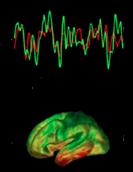
A French study (Pitié-Salpêtrière, Paris, France) aims to identify early the first signs and symptoms of Alzheimer’s disease in 400 people aged 70 and under and in good mental health. Participants will have to pass cognitive tests in the form of mental exercises. In parallel, the electrical activity of the brain – more precisely the cerebral cortex – is recorded by electroencephalography (EEG).
The slightest change in brain activity could be interpreted as a sign of a loss of synaptic connections and gray matter, characteristic of the onset of Alzheimer’s disease.
The interest of the study, called Insight, is therefore to identify the patient before he is in a prodromal state, that is to say before the first symptoms become detectable by neuropsychological tests. To do this, the researchers hope to be able to identify symptoms and warning signs of Alzheimer’s disease before the prodromal stage. The 400 participants will take cognitive tests every five years (twice a year) (memory, attention, executive functions, language, praxis, etc.).
Neuropsychologists try to distinguish the disorders that normally appear during aging from those that should alert, in particular the difficulty of memorizing a newly acquired word or a new event (we speak of anterograde amnesia). While performing their mental exercises, researchers place electrodes on individuals’ skulls to perform an EEG. According to the researchers, “Alzheimer’s disease alters the EEG at rest and during exercise. These subtle changes are the consequence of a loss of neurons and synapses (areas of contact between neurons). A blood test will be taken at the same time.
When a case of Alzheimer’s has declared itself, the blood samples will be analyzed to identify biological markers likely to be involved in the pathology of the disease. Finally, the individuals are subjected twice a year to a magnetic resonance imaging (MRI) examination, which will make it possible to visualize any brain lesions, in particular in the hippocampus – an area involved in memory. It is estimated that the volume of the hippocampus decreases by more than 4% per year in Alzheimer’s patients, compared to only 1% in healthy subjects.
Slower walking
Older people who walk more slowly have higher amounts of amyloid in their brains, a French study has found. Researchers have reported an association (albeit a modest one) between higher levels of amyloid plaques in the brain and slower walking speed in older adults. Amyloid is a protein that accumulates – in the form of plaques – in the brain of Alzheimer’s patients.
« These results suggest that people with Alzheimer’s disease show subtle signs of gait disturbances, in addition to well-known symptoms such as memory complaints, even in those with a normal gait rhythm, » said Dr. lead author of the study (University of Toulouse).
This study, which allowed researchers to look at participants at a specific point in time, only established an association between brain amyloid levels and walking speed, but not a causal relationship between the two. The research team analyzed 128 people (average age: 76) who had no formal diagnosis of dementia, but were considered high risk due to memory problems. Almost half had abnormally high levels of amyloid plaque in their brains (48%) and mild cognitive impairment (46%). Gait speed was measured using a standard synchronization test (transition from brisk walking to usual walking pace). Amyloid accumulates in several regions of the brain,
“The way we walk is controlled by areas of the brain that define rhythm. When this part of the brain does not work properly, it can have an impact on walking or speed, ”explains an Alzheimer’s disease specialist.
However, it is important to reassure older people who walk slower than others. In 2012, American researchers (Boston Medical Center) also studied the association between walking and cognitive performance in 2,140 volunteers aged 62 on average. They had started from the hypothesis that difficulty in walking and walking speed are warning signs of symptoms characteristic of Alzheimer’s disease. Their results reported a link between walking speed and the onset of dementia. This association has to date no scientific explanation. Source: Del Campo N et al. MAPT/DSA Study Group. Relationship of regional brain β-amyloid to gait speed. Neurology. 2016 Jan 5;86(1):36-43.
Alzheimer’s: brain imaging to confirm the symptoms of Alzheimer’s disease
Signs of brain damage can appear well before the first symptoms in healthy individuals whose parents both have Alzheimer’s disease.
“When the diagnosis is made, it is already too late,” says Dr. Lisa Mosconi (New York University School of Medicine). “This is why it is necessary to detect the signs of the disease in these people at risk before the first symptoms”.
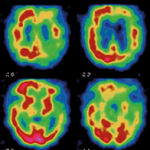
52 subjects aged 32 to 72 underwent neuroimaging examinations – including positron emission tomography and magnetic resonance imaging – which visualize amyloid plaques and brain activity.
Results: Individuals whose parents had Alzheimer’s disease had more amyloid plaques and a lower brain volume, compared to those whose parents had no pathology.
“Our study suggests the existence of predisposition genes that promote lesions characteristic of Alzheimer’s disease in individuals at risk. It remains to be determined which ones. Source: Brain imaging of cognitively normal individuals with 2 parents affected by late-onset AD. Neurology, 2014.
Analysis of the structure by MRI is characterized by atrophy in the temporal cortex (in particular the hippocampus) and the parietal cortex, with an accentuation of the sulci.
Imaging confirms or not the diagnosis of the presence of symptoms characteristic of Alzheimer’s disease and allows the doctor to decide to prescribe a drug.
Accentuation of furrows: one of the diagnostic signs of Alzheimer’s disease
Sleep problems
An experiment conducted on mice suggests that sleep disturbance could be one of the early signs of Alzheimer’s disease. In the study published in Science Translational Medicine (Sept. 2012), the researchers showed that the sleep cycle was disrupted when amyloid plaques appeared in the brains of these mice. As a reminder: amyloid plaques are characteristic lesions of Alzheimer’s disease; Researchers have succeeded for fifteen years in “manufacturing” transgenic mice which develop these lesions as they age. It is important to detect early warning signs of the disease well before the appearance of the first symptoms (loss of short-term memory).
« If sleep problems at the very beginning of the disease, these signs and symptoms could serve as a means of detecting Alzheimer’s disease », explains one of the authors of the study who adds: « we do not yet know in what form These sleep disorders appear: reduction in sleep time, difficulty in falling asleep…”.
Frequent falls
People with lesions characteristic of Alzheimer’s disease (deposits of amyloid plaques and tau proteins) see their risk of falling multiplied by 3 when they practiced an activity of daily living. These results come from an American study of 125 people (average age: 74 years) whose number of falls was evaluated for one year. Amyloid deposits and elevated levels of tau protein were measured in cerebrospinal fluid after lumbar puncture. Source: Neurology, July 30, 2013.
The causes that may explain these falls are numerous and associated with other signs and symptoms of Alzheimer’s disease:
Deficit in cognitive faculties (judgment, attention).
Screening tests are being developed for early detection of developing Alzheimer’s disease to allow people at risk to receive treatment early before it is too late.
One of the reasons cited by the scientific community for the high failure rate of clinical studies is that it is virtually impossible to treat patients once symptoms are present.
Screening for Alzheimer’s disease by detecting amyloid in the blood
Researchers have developed blood tests that identify the amyloid protein in its abnormal form.
Recent research shows that a simple blood test could help detect who might develop Alzheimer’s disease. Researchers were able to develop a blood test to measure the amount of amyloid in a person’s brain.
The abnormal shape of the protein is characterized by a modification of its structure which ends up aggregating. This abnormal buildup of amyloid appears about 17 years before symptoms of dementia occur.
This screening test has a reliability of just over 90% when combined with age or the presence of the APOE epsilon 4 allele (APOE4), a genetic risk factor (in 9 cases out of 10, a positive test is confirmed later).
The test would make it possible to identify people at risk of developing Alzheimer’s disease and to refine the diagnosis by lumbar puncture or by positron emission tomography.
Source: Wolters FJ et al. Hemoglobin and anemia in relation to dementia risk and accompanying changes on brain MRI, Neurology, July 2019; A. Nabers et al. Amyloid blood biomarker detects Alzheimer’s disease.EMBO Molecular Medicine (2018) e8763.
Antibodies as screening tools for early detection of Alzheimer’s disease
In 2016, another team used antibodies as biomarkers to detect people with mild cognitive impairment, a stage leading to Alzheimer’s disease but also to other pathologies such as vascular diseases.
The researchers selected 50 antibodies produced by the immune system as being most likely to detect the disease.
They then tested them on 236 people, 50 of whom had mild cognitive impairment.
According to the experiments carried out, the test made it possible with 100% accuracy to determine people with mild cognitive impairment leading to Alzheimer’s disease.
These results must be confirmed before the test is put on the market.
Early detection of Alzheimer’s disease-specific proteins
In a study published in 2014, a blood test identified 10 disease-specific proteins. 1,148 individuals participated in this study, of which 476 of them had Alzheimer’s disease, 220 had mild cognitive impairment and 452 were in good cognitive health. Of the thousands of proteins found in the blood, 26 have been linked to Alzheimer’s disease, and 16 to brain atrophy (reflecting loss of neurons).
“We have 10 proteins that can predict whether a person with mild cognitive impairment will develop Alzheimer’s disease one year later, with a high level of reliability (87%),” says the study’s lead author.
This test would be used to identify patients at a very early stage of the disease and include them in new clinical trials, in order to increase the chances of developing effective treatments capable of slowing down or even stopping the progression of the disease.
“The next step will be to confirm these results and develop a reliable screening test for Alzheimer’s disease that can be easily used by doctors,” concludes the group of researchers.
Source: Abdul Hye et al. Plasma proteins predict conversion to dementia from prodromal disease. Alzheimer’s & Dementia, July 2014.
Some lipids would also be good indicators
A team of American researchers (Georgetown University) evaluated a test in adults in their seventies in good mental health. They measured the levels of 10 lipids in their blood.
Measuring the levels of these lipids makes it possible to identify, with 90% reliability, those who will develop cognitive impairment over a period of two to three years.
This means that in 9 out of 10 cases, a person with a positive test will suffer from mild cognitive decline or Alzheimer’s disease.
The main author of this research recalls that blood tests are much easier to perform than current tests that involve neuroimaging techniques or cerebrospinal fluid sampling.
The study followed, for 5 years, 525 participants in their 70s in good health, of whom 74 participants were diagnosed with Alzheimer’s disease or amnesic mild cognitive impairment.
Source: Medicine Plasma phospholipids identify antecedent memory impairment in older adults. Nature, March 2014.
A test using DNA
German researchers are planning to develop a blood test for early detection of Alzheimer’s disease.
They identified 12 fragments of microRNA* (or micro ribonucleic acid) which would be characteristic of Alzheimer’s disease.
MicroRNAs are short pieces of RNA that regulate gene expression. As a reminder, RNA is produced from DNA in cells to make proteins.
The reliability of the test is 93%, that is, 93% of the positive screens were found to be accurate.
202 blood samples were analyzed. This blood test will have to be validated with a larger sample.
. Source: Genome Biology journal, July 29, 2013.
Neuroimaging for screening for early detection of Alzheimer’s disease
Swiss researchers have deciphered how different areas of the brain interact with each other in healthy subjects (September 2015).
Using the technique of neuroimaging, they identified thirteen main networks that activate in the brains of these participants. This activation takes place with certain coordination.
These results could have an impact on the detection of Alzheimer’s disease, knowing that it is characterized by a disruption of neural networks located in certain parts of the brain, before the appearance of the first symptoms.
Eye examination
Scottish computer scientists (University of Dundee) will develop, in the spring of 2015, software called VAMPIRE (Vessel Assessment and Measurement Platform for Images of the Retina) which will take images of the vascularization of the eye.
This imaging data will be combined with medical information to establish a possible link between abnormalities in the vessels that irrigate the eye and the onset of Alzheimer’s disease.
The researchers point out that the blood circulation (veins and arteries) of the eye undergoes branching changes following the appearance of certain pathologies such as stroke or cardiovascular disease.
These abnormalities of the vascular system are characterized by a change in the morphology of the vessels, which become wider and more sinuous. They can be the beginnings of Alzheimer’s disease.
In 2014, Cognoptix, an American biotechnology company, developed an eye examination device (SAPPHIRE II) to achieve early detection of Alzheimer’s disease.
This examination would make it possible to identify a biological marker characteristic of the disease (in this case amyloid) by examining the eyes of patients, according to Carl Sadowsky, principal coordinator of clinical trials.
These studies involved 20 healthy volunteers and revealed that this test has a sensitivity of 85% and a specificity of 95% when it comes to distinguishing patients at risk from those who are not affected.
The risk of cardiovascular disease would increase in people with symptoms of depression.
The researchers studied more than 7,300 elderly people in France with no history of heart disease, stroke, or dementia at the start of the study period. About 30% of women and 15% of men had high levels of depressive symptoms.
Participants were reassessed two, four, and seven years later. At each follow-up visit, about 40% of depressed people no longer showed symptoms of depression, while the same percentage had instead developed symptoms. Less than 10 percent of participants were taking antidepressant medication.
Those who had high levels of depressive symptoms at each visit had an increased risk of heart disease or stroke within 10 years. This risk increased by 75% for individuals who had symptoms of depression at each of the four visits.
The results suggest that depression could be a risk factor for cardiovascular disease. However, they do not allow us to conclude that there is a cause-and-effect relationship.
The authors of the study (Dr Renaud Pequignot, INSERM, Paris) suggest that doctors should closely monitor people aged 65 and over with depression.
According to the World Health Organization, depression, and cardiovascular disease are the leading causes of disability and death, respectively. Depression increases the likelihood of having cardiovascular disease and vice versa.
Source: Péquignot R. et al. High Level of Depressive Symptoms at Repeated Study Visits and Risk of Coronary Heart Disease and Stroke over 10 Years in Older Adults: The Three-City Study. Journal of the American Geriatrics Society, 2016; 64 (1): 118.
Another study reported that depressive symptoms in women have been linked to a greater risk of heart disease, as up to 25% of women experience depression in their lifetimes. Such depressive symptoms may be considered an emergent, non-traditional risk factor that can increase the chances of developing cardiovascular disease (CVD).
A link between depression and stroke, a form of cardiovascular disease
Australian researchers have found that women with depression have a 2.4 times greater risk of stroke than those without « When physicians care for their patients, they need to determine the severity of their mood disorders and the long-term adverse effects they may have, » said Caroline Jackson, Ph.D., study author. and epidemiologist at the University of Queensland in Australia. “Current stroke prevention guidelines tend to overlook the potential role of depression. »
This large-scale study examined the association between depression and stroke in 10,547 middle-aged women (47-52 years old) who had to answer questionnaires about their physical and mental health. About 24% of the participants said they were depressed.
A previous study reported a 30% increased risk in participants who were on average 14 years older. Although depression is associated with an increased risk of stroke, the absolute risk of stroke remains low (2%) for this age group.
The researcher does not know the reason for the association between depression and stroke.
“Inflammatory and immune mechanisms with adverse effects on blood vessels could be the cause,” says Dr. Jackson.
Source: Depression linked to almost doubled stroke risk in middle-aged women (source: Stroke, May 2013).
In 2012, a meta-analysis published in the journal Stroke and listing 17 articles confirmed the existence of a link between the presence of depression and an increased risk (+34%) of stroke, considering the body mass index, smoking, high blood pressure, and diabetes. This correlation is similar for both men and women, although the prevalence of depression is higher in women. However, this study does not show that depression is the cause.
Depression is a modifiable risk factor for heart disease.
Another study confirms that symptoms of depression are causally linked to an increased risk of cardiovascular disease, suggesting that depression is a modifiable risk factor for heart disease.
The study involved over 10,000 English individuals whose mental state was assessed 6 times over a 20-year period.
The risk of coronary heart disease doubles when these people report depressive symptoms during at least 3 assessments.
However, no association between depression and stroke has been reported. According to the author of the study, depression is not a cause of stroke, but rather a consequence of the presence of vascular disease.
According to a meta-analysis of 68,000 English people, subjects with symptoms of psychological distress (anxiety, depression, social problems or loss of confidence) have an increased risk of death ranging from 16% (if symptoms of psychological distress are mild) to 67% (if symptoms are high).
These deaths are caused by a heart attack or stroke (and in the case of high symptoms, cancer). Researchers have hypothesized that acute stress can reduce blood flow to the heart or that depression can lead to increased levels of inflammation (source: British Medical Journal, July 2012).
The risk of heart attacks and strokes can be halved if depressive symptoms are treated before signs of cardiovascular disease appear.
This study confirms that depression increases the risk of cardiovascular disease, and emphasizes the need to treat depression before the onset of these diseases, to reduce the consequences on the heart (heart attack) and the brain (stroke).
Researchers followed 235 depressive patients for 8 years. The risk of heart attack and stroke was reduced by 48% in those who received both psychotherapy and antidepressant medication, compared to those who did not.
Source: Effect of Collaborative Care for Depression on Risk of Cardiovascular Events: Data From the IMPACT Randomized Controlled Trial. Psychosomatic Medicine, 2013; 76 (1): 29.
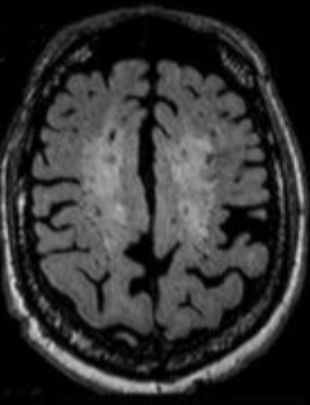
These changes are observed using brain imaging techniques such as magnetic resonance imaging or computed tomography.
Leukoaraiosis is not specific to a precise pathological condition. It occurs frequently in elderly patients with ischemic stroke, but also in those with hypertension, vascular dementia, intermittent claudication, or mood disorders.
Several infarcts of small vessels located in the subcortical white matter may be the cause of the condition. Patients may develop subcortical dementia syndrome.
It is estimated that almost all patients with vascular dementia (and about 30 to 50% of Alzheimer’s patients) have leukoaraiosis.
It is also associated in individuals with:
chronic kidney disease,
metabolic syndrome,
retinopathy,
coronary artery disease,
high levels of homocysteine,
low levels of vitamin B12 and
high levels of C-reactive protein (a marker of inflammation).
Diabetes
The prefrontal cortex would be particularly sensitive to leucoaraiosis which seems to reduce the speed of information processing in the individual.
Finally, leukoaraiosis is associated with an increased risk of ischemic stroke and cerebral hemorrhage, but also of cognitive decline and impaired gait and motor function, which are clinical hallmarks of subcortical vascular dementia. Up to 80% of patients with leukoaraiosis have gait disturbances.
The risk of dementia increases with the severity of leukoaraiosis.
Leukoaraiosis could be due to poor irrigation of the white matter supplied by the vessels. This poor irrigation is however insufficient to create ischemia.
Risk factors
age,
female sex,
high blood pressure,
heart disease,
type 2 diabetes,
abdominal obesity,
hyperlipidemia,
hyperhomocysteinemia,
carotid stenosis,
tobacco use,
alcoholism,
chronic kidney disease.
Some studies have found an association between leukoaraiosis and depression. Patients with leukoaraiosis is varied and includes motor deficits, frequent falls, parkinsonism and pseudobulbar syndrome.
Classification of leukoaraiosis
The Fazekas classification is one of the most widely used. in clinical practice and research. It distinguishes periventricular lesions (around a ventricle) from deep and subcortical lesions. There are 3 grades depending on the severity of the lesions.
Grade 1: minimal lesions in the form of points (punctiform) or lines. They are isolated or grouped and are less than 20 mm.
Grade 2: moderate lesions (solitary lesions and more intense areas less than 20 mm in diameter).
Grade 3: severe lesions (solitary lesions with more intense areas of more than 20 mm in diameter).
This classification distinguishes between periventricular and deep involvement.
Conclusions
Leukoaraiosis is an important risk factor for ischemic stroke and recurrent stroke as well as neurological and cognitive disorders.
Patients with leukoaraiosis therefore require special care.
Meniere’s disease is a disorder that affects the inner ear which is responsible for hearing and balance.
Ménière’s disease causes dizziness and also leads to hearing problems. Ménière’s disease usually affects only one ear.
It is more likely to occur in people in their 40s and 50s.
Ménière’s disease is chronic, but treatments and lifestyle changes can help relieve symptoms. Many people with Ménière’s disease will go into remission within a few years of being diagnosed.
The causes of Meniere’s disease
The cause of Ménière’s disease is not known, but scientists believe it is caused by changes in the fluid in the tubes of the inner ear. Other suggested causes include autoimmune diseases, allergies, and genetic mutations.
What are the symptoms of Meniere’s disease?
People with Meniere’s disease experience recurring episodes of symptoms such as dizziness, hearing loss, tinnitus (a ringing sensation in the ear), blocked or full feeling in the ear, loss of equilibrium, and headache.
Additionally, certain episodes may be accompanied by nausea, vomiting and sweating due to severe vertigo.
Generally, during episodes at least two to three of the listed symptoms will appear; however, during attack-free periods few or no symptoms may be present.
It is important to note that similar symptoms can be caused by other inner ear disorders so it is best to consult a doctor for a proper diagnosis if these symptoms are experienced.
How is Ménière’s disease diagnosed?
If you have symptoms of Meniere’s disease, your doctor will order tests to examine your balance and hearing, and rule out other causes for your symptoms.
Hearing test
A hearing test, or audiometry, is used to assess whether a person has difficulty with hearing. In this assessment, the individual wears headphones and listens to different tones of varying pitch and loudness. They are asked to indicate when they can and cannot hear a dial tone in order to identify any hearing loss.
Additionally, words will be spoken into the headset for the person to repeat so that any disparities between audio perception in each ear may be determined. Several other tests may also be performed if a problem exists in the inner ear or with the auditory nerve; these measures include electrocochleography and auditory brainstem response testing.
Balance tests
Balance tests are used to evaluate the function of the inner ear. The most common test is electronystagmography (ENG), in which electrodes are placed around the eyes and water is injected into the ear, and involuntary eye movements are tracked for abnormalities.
Rotary chair tests can also be used to detect if there is a problem in the ear or brain that may be causing balance issues.
The Vestibular Evoked Myogenic Potentials (VEMP) test assesses the sound sensitivity of the vestibule of the inner ear while posturography tests help to determine which part of the balance system isn’t working properly by challenging individuals to stand and respond safely with a harness.
Other tests
Brain diseases, such as multiple sclerosis (MS) or brain tumors, can cause symptoms similar to Ménière’s disease. Your doctor may order tests to rule out these conditions, and others. They may also order a brain MRI or cranial CT scan to assess possible disorders.
Meniere’s disease treatment
Ménière’s disease is a chronic, incurable disease. However, there is a range of treatments that can help relieve your symptoms, ranging from medication to surgery for the most severe cases.
Medications
There are a variety of treatments available to help manage Ménière’s disease and reduce its symptoms. Your doctor may recommend motion sickness medications to ease dizziness, nausea, and vomiting.
If fluid buildup is causing your inner ear problems, diuretics can be prescribed to help reduce the amount of fluid in your body. For more severe vertigo symptoms, a medication injection into your middle ear may be recommended as well.
Vestibular rehabilitation exercises can improve the symptoms of vertigo. These exercises help your brain consider the difference in balance between your two ears. A physical therapist can teach you how to perform these exercises.
Hearing aids
An audiologist can treat hearing loss, usually by fitting you with a hearing aid.
Operation
Most people with Ménière’s disease do not need surgery, but it is an option for those who have severe attacks and have not benefited from the effects of other treatments.
What is the effect of diet on Meniere’s disease?
Changing your diet can help reduce the amount of fluid in the inner ear and relieve symptoms. Foods and substances to limit or exclude from your diet include:
this
caffeine
chocolate
alcohol
glutamate monosodique
It’s also important to drink six to eight glasses of water a day so your body doesn’t retain fluid.
What lifestyle changes can relieve the symptoms of Ménière’s disease?
Lifestyle changes, aside from dietary changes, that may help improve your symptoms include:
rest during vertigo attacks
eat regularly, to help regulate fluids in your body
managing stress and anxiety through psychotherapy or medication
It is also important to quit smoking and avoid any allergens. Nicotine and allergies can make Meniere’s disease symptoms worse.
What is the outlook for people with Ménière’s disease?
Although there is no cure for Ménière’s disease, there are many strategies you may want to consider to reduce your symptoms. In most people, spontaneous remission is common, although it may take years. Your doctor can help you find a treatment that’s right for you.
Chlorella is a green freshwater algae packed with essential nutrients and antioxidants. From improving gut health to providing powerful detoxification benefits. It has quickly become one of the go-to superfoods for health-conscious individuals.
What is Chlorella?
Chlorella is a single-celled green microalgae found in freshwater lakes and streams. Its powerful cellular structure makes it an excellent source of protein, vitamins, minerals, antioxidants, chlorophyll, and other key nutrients that can help support optimal health. It’s a popular choice among raw vegans, as well as those looking to cleanse and detoxify their bodies naturally.
The Nutritional Power of Chlorella
Chlorella is a nutrient-packed superfood that provides a host of health benefits. It’s rich in protein, vitamins, minerals, antioxidants, and chlorophyll. Chlorella is also high in good fatty acids, including Omega-3 and Omega-6. This nutrient-dense food helps support healthy energy levels, detoxification, and a balanced immune system. Additionally, it’s an excellent source of digestive enzymes, which help break down and eliminate toxins from the body while promoting healthy gut bacteria and improved digestion.
Benefits of Taking Chlorella
One of the most notable health benefits of Chlorella is its ability to provide detoxification, as it binds and helps remove toxins from the system. It can also help boost the immune system, improving stamina and energy levels. Additionally, research has shown that Chlorella may reduce inflammation throughout the body. Lastly, taking it can help reduce stress and improve cognitive function.
How Much to Take and Best Formulations
Generally, the recommended amount of Chlorella to take is between two and ten grams. It is often recommended that an individual start with two to three grams daily until their digestive system becomes accustomed to processing the superfood. The best way to take it is to choose a formulation that ensure that its nutrients are properly absorbed by the body.
Recommended Daily Intake and Possible Side Effects
The recommended daily intake for Chlorella depends on a person’s health and lifestyle. While generally, two to ten grams per day is safe and beneficial, it is also important to be aware of the potential side effects that can occur when taking this superfood in higher doses. This could include an upset stomach, nausea, headaches, or fatigue. Therefore, it is best to start with a low dose and gradually increase depending upon the results felt by the individual.
What does the science say
Studies have been conducted to examine the health benefits associated with Chlorella supplementation in humans. A meta-analysis concluded that it can help reduce total cholesterol levels, low-density lipoprotein cholesterol levels, systolic and diastolic blood pressure, as well as fasting blood glucose levels. Other reports hypothesize that its positive effects may be attributed to multiple compounds present in the algae, but further research is needed to determine its exact bioactive components.
Iron, a mineral that is essential for our bodies to function properly, plays a significant role in maintaining overall health and well-being. From boosting energy levels to supporting the immune system, iron is a crucial nutrient that should be included in every diet.
Whether you’re an athlete looking to enhance your performance or simply seeking ways to improve your daily life, understanding the importance of iron can help you achieve optimal health and wellness. So let’s dive into this vital nutrient and discover how it can benefit you!
What is iron?
Iron is a mineral that is found in food and the body. It is an essential part of hemoglobin, which carries oxygen in the blood. Iron is also a part of myoglobin, which helps muscles store oxygen. The body needs iron to make these proteins.
The body gets iron from two sources: food and recycling. When people eat food that contains iron, the body absorbs some of the iron from the food. The body also recycles iron from old red blood cells. This process makes sure that there is a constant supply of iron in the body.
Iron is important for many reasons. It helps the body make hemoglobin and myoglobin, which are essential for carrying oxygen in the blood and muscles, respectively. Additionally, iron plays a role in many biochemical processes within cells, including DNA synthesis. Because of these functions, adequate iron intake is necessary for good health.
The different types of iron
There are two main types of iron: heme and non-heme iron. Heme iron, which makes up 40 percent of the iron in meat, poultry, and fish, is well absorbed. Non-heme iron, 60 percent of the iron in animal tissue, and all the iron in plants (fruits, vegetables, grains, nuts) are less well absorbed. Meat, poultry, and fish provide small amounts of vitamin C that enhance the absorption of non-heme iron.
Why iron is important for your health
Iron is important for your health because it plays a role in many crucial bodily functions. For example, iron helps your body make hemoglobin, which carries oxygen in your blood. It also helps your muscles store and use oxygen. Furthermore, iron aids in producing energy in cells and is necessary for proper immune system function. Additionally, iron is involved in regulating cell growth and differentiation and is needed for proper brain development and function.
Foods that are high in iron
Iron is an important mineral for our bodies. It helps us to make hemoglobin, which carries oxygen in our blood. Iron also helps our muscles store and use oxygen. When our bodies don’t have enough iron, we can feel tired, and weak, and our immune system can be weaker. That’s why it’s important to make sure we are getting enough iron in our diet.
Many foods are high in iron. Some good sources of iron include red meat, poultry, fish, beans, lentils, tofu, spinach, kale, Swiss chard, and quinoa. Fortified breakfast cereals and bread are also good sources of iron.
Microalgae such as chlorella and spirulina are considered superfoods due to their extraordinary nutritional content, which includes high levels of proteins, iron, and other trace minerals. Iron found in these foods is highly bioavailable, meaning that the body easily absorbs it. This makes microalgae a great source of dietary iron for individuals who may be low in this important nutrient.
If you think you might be low in iron, talk to your doctor about getting a blood test to check your levels. You may need to take an iron supplement if your levels are low.
Too much iron can lead to severe health problems
Iron is an essential mineral for our health. It plays a vital role in the function of our cells and is necessary for the production of hemoglobin, which carries oxygen in our blood. While our bodies need iron, we can only absorb a small amount at a time. This means that it’s important to include iron-rich foods in our diets or take supplements if we are low in iron.
There are two types of dietary iron: heme and non-heme iron. Heme iron, which makes up 40 percent of the iron in meat, poultry, and fish, is well absorbed. Non-heme iron, 60 percent of the iron in animal tissue, and all the iron in plants (fruits, vegetables, grains, nuts) is less well absorbed. Because the absorption of non-heme iron varies widely, eating foods that enhance its absorption can increase the amount of this type of dietary iron you take in. Recommendations for enhancing non-heme iron absorption include:
• Adding vitamin C–rich foods or beverages at meals (such as orange juice or other citrus fruits and juices, tomatoes, or broccoli). Vitamin C helps convert ferric (unabsorbable) iron to ferrous (absorbable) iron. • Including meat with non–meat sources of iron (for example, beans on toast with grilled chicken). Animal protein helps increase the absorption of plant-based iron sources. • Avoid coffee or tea with meals because they interfere with iron metabolism.
The side effects of too much iron
Excess iron can lead to many side effects, including anemia, liver disease, and heart problems.
A recent study showed that around 10 percent of the population exhibits statin intolerance, leading to a variety of unpleasant symptoms and even discontinuation in some cases.
What are statins?
According to the US National Library of Medicine, statins are a group of drugs that are used to lower cholesterol levels by blocking an enzyme in the liver that is needed to make cholesterol. Statins are typically prescribed to people who have high cholesterol levels and are at risk for heart disease.
However, statin intolerance affects around 3-7% of the population. This means that these individuals cannot tolerate statins due to the side effects, which can include muscle pain, weakness, fatigue, and digestive issues.
While the exact cause is unknown, it is thought to be due to a combination of genetic and environmental factors. If you think you may be intolerant to statins, speak with your healthcare provider about alternatives.
What is statin intolerance?
Statins are a class of drugs that are commonly prescribed to help lower cholesterol levels. It affects around 5-10% of the population. People who are statin intolerant may experience side effects such as muscle pain, fatigue, and nausea. In some cases, these side effects can be severe enough to make it difficult for people to continue taking the medication. There is currently no cure for statin intolerance, but there are some treatments that can help lessen the symptoms.
Who is affected by statin intolerance?
Around 10 percent of the population is affected by statin intolerance, according to a meta-analysis.
The study included data from 176 cohort studies, clinical trials, and case series with more than 4 million patients, statin intolerance was found to be present in approximately 9% of statin-treated patients. The study identified risk factors, including female sex (48%), obesity (30%), hypothyroidism (37%), diabetes (26%), alcohol use (22%), exercise (23%), chronic liver disease (24%), chronic kidney failure (25%), calcium channel blockers (35%), and high-dose statins (37%).
The study found that intolerance was more common in women than men, and that it was also more common in people of Hispanic or Latino ethnicity than in those of other ethnicities. It was also more common in people who were overweight or obese, and in people who had diabetes.
The study’s lead author said that the condition can have a significant impact on a person’s quality of life, and that more needs to be done to identify ways to prevent or treat it.
What are the symptoms?
It is estimated that statin intolerance affects around 5-10% of the population. The most common symptoms of statin intolerance are muscle pain, weakness, and fatigue. Other less common symptoms include headache, nausea, constipation, diarrhea, and skin rash.
If you experience any of these symptoms while taking a statin medication, it is important to talk to your doctor. They may be able to adjust your dose or switch you to a different medication.
How is statin intolerance diagnosed?
There is no definitive test for diagnosing statin intolerance. A diagnosis is generally made after a person has tried taking a statin and experienced side effects that go away when the statin is stopped. If someone experiences muscle pain or other symptoms while taking a statin, they should talk to their doctor about whether they may be intolerant.
How is statin intolerance treated?
The most common symptom of statin intolerance is muscle pain. This can be treated with over-the-counter pain relievers such as ibuprofen or naproxen. If the pain is severe, your doctor may prescribe a stronger pain reliever.
There are also a few things you can do to lessen muscle pain from statins:
Take the medication at night, so it has time to build up in your system before you need to use your muscles during the day.
Exercise regularly. This will help increase your tolerance to the medication.
Stretch and warm up before physical activity.
You may take a CoQ10 supplement. This vitamin-like substance helps muscles function properly and may help reduce muscle pain from statins. Ask to your doctor before taking the supplement.