Generalized anxiety

Anosognosia

Anosmia

Un mode de vie sédentaire est-il mauvais ?

Is a sedentary lifestyle bad for you?

Aneurysm

Anemia

Cardiac amyloidosis

Amaurosis fugax

Alzheimer’s: how to announce the diagnosis

Author Archives: Stéphane Bastianetto

  1. Generalized anxiety

    Leave a Comment

    Generalized anxiety is the most frequently encountered mental disorder, especially in the elderly. It is often associated with depressive disorders.

    There is a feeling of apprehension of a danger that is both imminent and unpredictable. This feeling is subjective and appears disproportionately.

    When the anxiety is isolated, it is called primary anxiety. The type of disorder can be determined by considering its causes and how it evolved, as well as the circumstances under which it appeared.

    Primary anxiety disorders are generalized anxiety disorder, panic disorder, obsessive-compulsive disorder, and phobic disorder.

    When anxiety is accompanied by a mental or physical illness (e.g. hypochondria,  depression), it is often referred to as secondary anxiety.

    The symptoms are diverse and neurovegetative: general excitability, tachycardia, palpitations, dyspnea, dry mouth, tremors, excessive sweating, dizziness. They can also be the sign of a medical pathology. For example, palpitations may be the first signs of heart disease, while tremors may suggest Parkinsonian syndrome.

    Certain behavioral disorders are often associated: wandering, wandering, insomnia, alcoholism or abuse of tranquillizers, character disorders. This anxiety can also be observed visually in the form of a worried expression, changes in mimicry, posture and mobility.

    Generalized anxiety is characterized by the presence of several symptoms of excessive anxiety or worry occurring over a period of at least six months.

    Generalized anxiety alone represents 70% of primary anxiety disorders in the elderly. The individual has difficulty controlling his preoccupations, which are associated with somatic symptoms (e.g. irritability, insomnia) and subjective distress.

    Historical

    The terms anxiety and anguish originate from the Indogermanic verbal root “ankh” which means “to tighten”, “to choke”, which recalls certain signs (tight throat, feeling of suffocation).

    The term “panic” originates from the ancient Greek god of forests and riverbanks Pan who according to legend sowed panic among the Persians at the battle of Marathon.

    While anxiety is associated with a physical cause (anxiety of dying during a heart attack) leading to physical manifestations (eg palpitation), anxiety is associated with apprehension of an event and fear of a real external danger (eg a bombardment).

    The description of anxiety appears at the end of the 19th century with the German doctors Bndict and Westphal, the latter introducing the term “agoraphobia”.

    At the beginning of the 20th century, Janet introduced the concept of what would become obsessive compulsive disorder.

    Until the early 1980s, anxiety disorders were part of the non-psychotic disorders called « neuroses », including hysteria, neurasthenia, psychasthenia, anorexia and personality disorders.

    Prevalence

    Anxiety disorders have a lifetime prevalence of about 15%. Anxiety disorders are marked by an early onset, with an age of onset of 11 years. Specific phobias are the earliest, i.e. before the age of 10.

    More specifically, generalized anxiety disorder has a lifetime prevalence of approximately 6% and tends to increase with age.

    The other anxiety disorders appear later, with a median age between 20 and 30 years.

    A quarter of anxiety disorders are considered serious, compared to almost half for mood disorders and obsessive-compulsive disorders and 80% for bipolar disorders.

    Unlike other types of disorders (phobic, obsessive-compulsive or panic), they tend to persist. Women are two times more affected than men.

    However, it is quite possible that GAD is obscured by the symptomatology of other psychiatric conditions.

    It very often coexists with another mental disorder: social or specific phobia, panic disorder or depressive state.

    Due to the presence of somatic disorders, these patients consult not only a general practitioner, but also pulmonologists, gastroenterologists or cardiologists.

    A study finds 46% late onset of generalized anxiety in a population of elderly subjects . Another study reports that symptoms of anxiety are present in about 25% of elderly people in the community, reaching 50% in people placed in medical care.

    Diagnostic criteria for generalized anxiety disorder

    The diagnostic criteria of the American psychiatry manual DSM IV make it possible to differentiate generalized anxiety disorder from normal anxiety. These criteria are:

    1. At least one excessive worry and fearful expectation lasting several days for at least 6 months, and stimulated by events or activities (such as work or school performance).

    2. Anxiety that is difficult to control, even uncontrollable.

    3. At least three of the following six symptoms present for more than one day during the past 6 months): 
    – Agitation, over-excitement 
    – ​​Tiredness 
    – Trouble concentrating 
    – Irritability 
    – Muscle tension 
    – Sleep disturbances (difficulty sleeping or insufficient sleep or restless)

    4. The object of concern is not limited. If the object is limited (eg separation, trauma), the anxiety disorder will be classified differently: separation anxiety disorder, post-traumatic anxiety.

    5. Suffering and impairment of significant social, professional activities

    6. The disorder is not due to substance abuse (drugs, or medications), medical condition (hyperthyroidism), or mental illness.

    Signs and symptoms of generalized anxiety disorder

    Here are the main symptoms:

    • Sleeping troubles.
    • Hustle.
    • Complaints (eg dizziness, pain, headaches) easily evoked by the subject, and concerning his body, which will lead him to consult his doctor often.
    • Increased heart rate
    • rapid breathing
    • Difficulty concentrating
    • Fear of becoming independent or dependent.
    • Loneliness expressed discreetly by the person.

    Comorbidity

    Generalized anxiety in the elderly is associated with comorbidity. Anxiety symptoms can be linked to three types of disorders:

    • physical disorders: cardiac, urinary, digestive symptoms and sleep disorders; 
    • cognitive disorders: attention and concentration disorders; there may also be feelings of derealization, depersonalization and recurring thoughts;
    • behavioral disorders: hyperkinesia, repetitive behaviors, avoidance, hypervigilance.

    Etiology

    The cause is unknown and multifactorial, combining both an alteration of certain neurotransmitters and psychosocial factors.

    Genetic factors: Studies show that the risk is three times higher among first-degree relatives of patients with generalized anxiety.

    Neurochemical factors. The areas that seem to be affected in GAD are the limbic system and the prefrontal cortex and more precisely the cortico-subcortical neural circuit which includes:

    • the prefrontal cortex which is connected to the cingulate cortex
    • The subcortical structures (hippocampae, amygdala and part of the thalamus).

    There is therefore a dysfunction of this coritco-subcortical circuit.

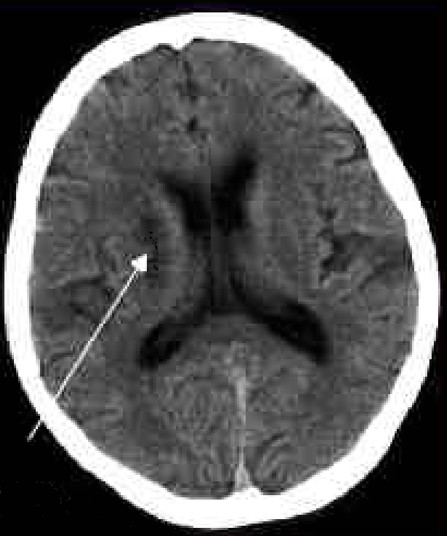
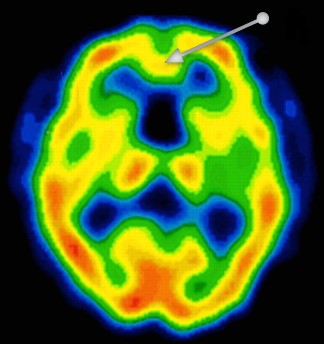
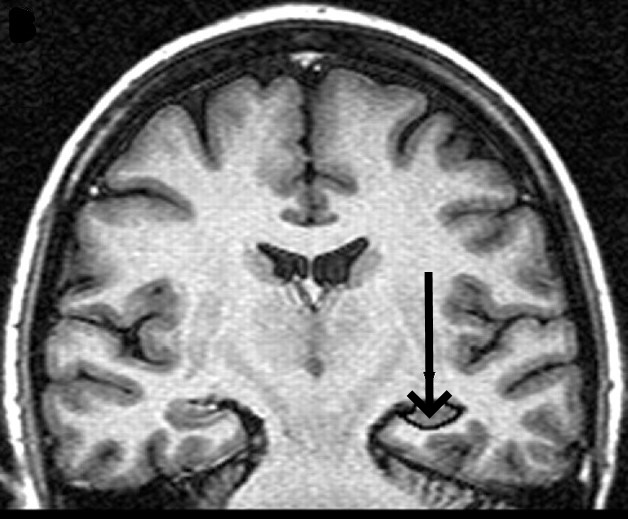
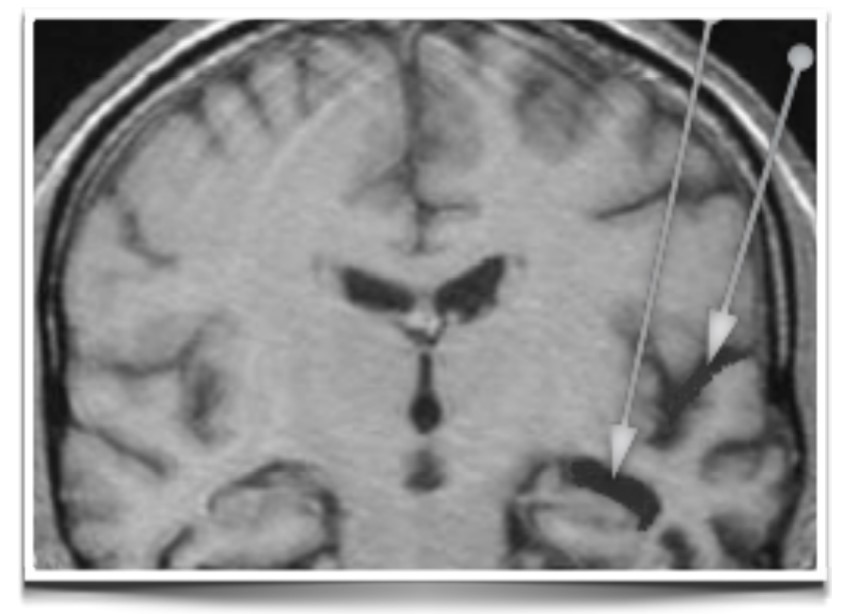
    A neuroimaging study (functional MRI technique) indicates that people prone to generalized anxiety disorder have hyperactivity of the amygdala (brain structure present in the limbic system) and hypoactivity of the prefrontal cortex. Serotonin is a neurotransmitter thought to be involved in anxiety.

    It can be hypothesized that the decreased activity of the GABA inhibitory system leads to hyperactivation of the limbic system which is associated with the symptoms of anxiety. This would explain why benzodiazepines, which inhibit GABA activity, have an anxiolytic effect.

    Psychosocial factors. According to the cognitive-behavioural model, the different parameters processing information would not be perceived in an equitable manner, favoring the negative and threatening representation of an anxiety-provoking situation. The development of an anxiety disorder can occur through observational learning, in which a person develops a disorder (or phobia) by observing a person displaying anxiety (or fear). Parents can play a role in increasing the risk (overprotective mother, parent who is not very warm and critical of the child, separation).

    What are the treatments for anxiety?

    Once you’ve been diagnosed with anxiety, you can explore treatment options with your doctor. For some people, medical treatment is not necessary. Lifestyle changes may be enough to cope with the symptoms.

    In moderate or severe cases, however, treatment can help you overcome symptoms and lead a more manageable daily life.

    Treatment for anxiety falls into two categories: psychotherapy and medication. Meeting with a therapist or psychologist can help you learn tools and strategies for dealing with anxiety when it arises.

    Medications typically used to treat anxiety include antidepressants and benzodiazepines.

    What natural remedies are used to treat generalized anxiety disorder?

    Lifestyle changes can be an effective way to combat some of the stress and anxiety you may face every day. Most of the natural « cures » consist of taking care of your body, participating in healthy activities and eliminating unhealthy ones.

    These include:

    • get enough sleep
    • meditate
    • stay active and exercise
    • eat healthy
    • stay active and train
    • avoid alcohol
    • avoid caffeine
    • stop smoking
  2. Anosognosia

    Leave a Comment

    Anosognosia is a neuropsychological disorder defined by an individual’s lack of awareness of his own disease or the loss of functional capacity from which he suffers. The term is derived from Greek and associates nosos (disease) and gnosia (knowledge), described by Babinski in 1914.

    It was associated in the 1980s with dementia in general and Alzheimer’s disease in particular. In this case, anosognosia is the inability to recognize the presence of a deficit or to appreciate its severity.

    Anosognosia is therefore common in patients with Alzheimer’s disease or other types of dementia.

    It is a cause of difficulty in taking care of and increasing the caregiver’s burden.

    It is mainly reflected by a loss of awareness of their deficit in instrumental activities of daily life, depressive disorders, and behavioral disorders (hallucinations, delusions)

    Patients with anosognosia are more often apathetic.

    Anosognosia: a harbinger of Alzheimer’s disease?

    Patients who are unaware that they have memory problems are more likely to see their condition worsen in a short period of time and develop Alzheimer’s disease.

    Certain brain conditions can interfere with a patient’s ability to understand that they have a health condition. Anosognosia, which is often associated with Alzheimer’s disease, is a neurological disorder that affects a patient’s ability to realize they have a health condition.

    A study published by a Canadian team (McGill University) found that people who were unaware of their condition had almost three times the likelihood of developing dementia within two years.

    Anosognosia would therefore be a new identified precursor sign of Alzheimer’s disease.

    The researchers analyzed 450 patients who had mild memory deficits but were still able to take care of themselves.

    The researchers asked them and their relatives to assess their cognitive abilities.

    When a patient self-reported no cognitive issues but a family member reported significant difficulties, the patient was considered unaware of their condition.

    The researchers then compared the anosognosia group to those who had no problems with consciousness and found that the anosognosia group had impaired brain metabolic function (neurons were less active) and increased amyloid deposits.

    Two years later, a follow-up showed that patients who were unaware of their memory problems were more likely to have developed dementia, even when controlling for other factors such as genetic risk, age, sex and gender, and education.

    The increased progression to dementia coincides with a decline in brain metabolism in regions affected by Alzheimer’s disease (particularly the hippocampus)

    This discovery highlights the importance of consulting the patient’s close family members during medical visits.

    “According to Dr. Serge Gauthier, professor of neurology at McGill University, people with mild memory impairment should have an assessment that takes into account information gathered from reliable informants, such as family members or close friends.

    Source J. Therriault et al. Anosognosia predicts default mode network hypometabolism and clinical progression to dementia. Neurology, 2018.

  3. Anosmia

    Leave a Comment

    Anosmia is the complete absence of the sense of smell. Without your sense of smell, food doesn’t taste the same, you can’t smell a flower, and you could find yourself in a dangerous situation without knowing it. For example, you would not be able to detect smells like gas leaks, smoke from a fire, or curdled milk without the ability to detect odors.

    The basics of smell

    A person’s sense of smell is influenced by certain processes. First, a molecule released by a substance (such as the scent of a flower) must stimulate special nerve cells known as olfactory cells that are located in the nose. 

    Nerve cells then send information to the brain, where the specific smell is identified. Anything that interferes with these processes, such as nasal congestion or nasal blockage, can lead to loss of smell. Damage to the nerve cells themselves can also lead to loss of smell.

    The ability to smell also affects our ability to taste. Without a sense of smell, our taste buds are only able to detect a few flavors, which can impact your quality of life.

    Causes of Anosmia

    Nasal congestion caused by a cold, allergy, sinus infection, or poor air quality is the most common cause of anosmia. Other causes of anosmia include:

    • Nasal polyps – small, non-cancerous growths in the nose and sinuses that block the nasal passage.
    • Nose injury and nerve odour from surgery or head trauma.
    • Exposure to toxic chemicals, such as pesticides or solvents.
    • Certain medications, including antibiotics,  antidepressants, anti-inflammatories, and heart medications.
    • Cocaine abuse.
    • Old age. Like vision and hearing, your sense of smell can weaken as you age. In fact, the sense of smell is most pronounced between the ages of 30 and 60 and begins to decline after age 60.
    • Certain neurological diseases, such as Alzheimer’s disease, Parkinson’s disease, multiple sclerosis, nutritional deficiencies, congenital conditions, and hormonal disorders.
    • Radiological treatment of head and neck cancers.

    The effect of aging on olfaction

    The olfactory functions begin a decline beginning around the age of 60. The decline appears earlier in men than it does in women. Around the age of 80, more than half of the elderly have olfactory disorders.

    The causes that lead to a poorer perception of odours are multiple: slow regeneration of the tissues of the olfactory system, alteration of the nasal mucosa which produces mucus-producing glands, etc.

    Anosmia and other smell disorders

    The doctor takes note of the complaints of the patient who smells badly or who no longer smells odours. Hyposmia (loss of sensitivity to odours) is the most common smell disorder, while anosmia is a smell disorder frequently caused by damage to the olfactory nerve. 

    Parosmias are characterized by a diminished ability to perceive smells, while dysosmias (total loss of smell) are even more rare.

    These complaints may be due to head trauma or “whiplash” or sinusitis (transmission anosmia), the latter being treated with corticosteroids.

    Anosmia and Alzheimer’s disease

    Disorders of smell can occur before the first cognitive symptoms appear. Researchers have actually noticed that there is a link between memory complaints reported by an individual and the presence of olfactory disorders detected using specific tests.

    These observations are confirmed by a team of researchers from the University of Montreal. It would seem that 80% of people with Alzheimer’s disease first present with smell disorders. In particular, people would have difficulty distinguishing and memorizing an odour.

    In a study published in 2009, it was shown that olfactory disorders are often present at the onset of  Alzheimer’s disease, and even before the first cognitive symptoms appear.

    From a cohort of 144 people aged 50 to 86, the authors of this longitudinal study observed a correlation between subjective memory complaints (i.e. not validated by tests) and the presence of mental disorders. Olfaction was detected using qualitative discrimination and identification tests.

    These results suggest that olfaction can be a good indicator for identifying subjects at risk of memory disorders.

    Source:  Sohrabi HR et coll. Olfactory dysfunction is associated with subjective memory complaints in community-dwelling elderly individuals. J Alzheimers Dis. 2009;17(1):135-42.

    Parkinson disease

    People with Parkinson’s disease also have olfaction disorders, which are characterized by a loss of sensitivity in the perception of odors. The presence of olfactory disorders predicts cognitive impairment in the disease.

    Researchers hope to diagnose Parkinson’s disease based on body odor.

    How can these observations be explained?

    Neurons send information via the olfactory nerve to the olfactory bulb, which in turn sends it to the olfactory cortex. Most regions of the olfactory cortex are part of the limbic system, responsible for processing emotions and memory (hippocampus, entorhinal cortex, amygdala). This explains why the memory of a smell is all the more pregnant as it arouses emotion.

    The olfactory bulb is notably modulated by neurons which produce a neurotransmitter called acetylcholine. This neurotransmitter is involved in memory and learning. These neurons project to regions of the structural system of the limbic system (hippocampus and amygdala) involved in the perception of odors.

    In Alzheimer’s and Parkinson’s diseases, these neurons are damaged early by lesions characteristic of these diseases, namely neurofibrillary tangles and alpha-synuclein deposits respectively.

  4. Un mode de vie sédentaire est-il mauvais ?

    Leave a Comment

    Mener une vie sédentaire devient un problème de santé publique important. Il semble que les modes de vie sédentaires soient de plus en plus répandus dans de nombreux pays, et sont liés à un éventail de problèmes de santé chroniques.

    On suppose qu’une faible participation à l’activité physique est influencée par de multiples facteurs. Certains facteurs environnementaux comprennent la congestion routière, la pollution atmosphérique, le manque de parcs ou de sentiers piétonniers et le manque d’installations sportives ou récréatives. La télévision, regarder des vidéos et utiliser des téléphones mobiles sont corrélés à un mode de vie de plus en plus sédentaire.

    Il est peu probable que la plupart des personnes qui mènent une vie sédentaire respectent les directives en matière d’activité physique.

    Environ 31% de la population mondiale âgée ≥ 15 ans est insuffisamment active, ce qui contribue à la mort d’environ 3,2 millions de personnes chaque année. L’inactivité physique n’est pas le seul problème grave: le comportement sédentaire est également une préoccupation sérieuse, et un nombre important de personnes s’y engagent pendant de longues périodes. Par exemple, les Américains consacrent 55% de leur temps d’éveil (7,7 heures par jour) à des activités sédentaires, tandis que les Européens passent 40% de leur temps libre (2,7 heures par jour) à regarder la télévision.

    Selon les médecins, les adultes devraient faire au moins 150 minutes d’activité physique d’intensité modérée chaque semaine.

    Le comportement sédentaire est généralement défini comme toute activité impliquant de s’asseoir, de s’allonger ou de s’allonger et qui a une très faible dépense énergétique. La mesure de la dépense énergétique est constituée d’équivalents métaboliques (MET), et les auteurs considèrent que les activités qui dépensent 1,5 MET ou moins d’énergie sont sédentaires.

    MET est défini comme le rapport entre le taux métabolique de travail et le taux métabolique standard au repos (RMR) de 1 kcal / (kg / h). Un MET est le coût énergétique pour une personne au repos. Lorsqu’elles sont classées quantitativement en fonction de leur intensité, les activités physiques peuvent être classées en 1,0 à 1,5 MET (comportement sédentaire), 1,6 à 2,9 MET (intensité légère), 3 à 5,9 (intensité modérée) et ≥ 6 MET (intensité vigoureuse).

    La recherche suggère que seulement 21% des adultes respectent les directives en matière d’activité physique, tandis que seulement 5% effectuent 30 minutes d’activité physique par jour.

    Les risques pour la santé sont nombreux

    Un mode de vie sédentaire peut contribuer à l’obésité, au diabète et à certains types de cancer.

    Des recherches récentes commencent à confirmer les risques pour la santé associés à un mode de vie sédentaire.

    Des études ont maintenant démontré de manière constante que mener une vie sédentaire peut contribuer à:

    • obésité
    • diabète de type 2
    • certains cancers
    • maladie cardiovasculaire
    • Mort prématurée

    Des périodes prolongées d’inactivité peuvent réduire le métabolisme et nuire à la capacité du corps à contrôler le taux de sucre dans le sang, à réguler la pression artérielle et à décomposer les graisses.

    Une étude a analysé les données recueillies sur 15 ans et a révélé qu’un mode de vie sédentaire était associé à un risque accru de décès prématuré, quel que soit le niveau d’activité physique.

    Cela montre qu’il est essentiel de réduire le temps passé à être sédentaire en plus de faire plus d’exercice.

    Santé mentale

    Un mode de vie sédentaire semble également avoir un impact négatif sur le bien-être mental.

    La combinaison de l’impact physique et mental sur la santé rend un mode de vie sédentaire particulièrement problématique.

    Une étude portant sur 10 381 participants a établi un lien entre un mode de vie sédentaire et un manque d’activité physique et un risque plus élevé de développer un trouble de santé mentale.

    Une revue qui comprenait des données de 110 152 participants a trouvé un lien entre le comportement sédentaire et un risque accru de dépression.

    Solutions pour réduire le mode de vie sédentaire

    Un mode de vie plus actif peut réduire considérablement les risques de problèmes de santé chroniques, de troubles de santé mentale et de décès prématuré.

    Augmenter la période d’activité physique

    La recherche a démontré que l’activité physique, y compris l’exercice et les sports, peut réduire le risque de maladie cardiovasculaire, de diabète de type 2, d’obésité et de décès prématuré.

    Les preuves montrent également que l’exercice peut améliorer la santé mentale. Une étude portant sur 1 237 194 personnes a révélé que ceux qui faisaient de l’exercice signalaient moins de problèmes de santé mentale que ceux qui ne le faisaient pas.

    Il est préférable de combiner une variété d’exercices cardiovasculaires, tels que la course à pied ou le vélo, avec des exercices de musculation, qui peuvent inclure des exercices de musculation ou de poids corporel. Faire au moins trois courses de 30 minutes et faire deux séances de 30 minutes d’exercices de musculation par semaine serait suffisant pour respecter les directives minimales en matière d’activité physique.

    Réduire le temps passé à être sédentaire

    L’activité physique est importante, mais passer la majeure partie de la journée à être sédentaire est toujours dangereux.

    Les gens peuvent réduire le temps qu’ils passent à être sédentaires en:

    • debout plutôt que assis dans les transports en commun
    • Se rendre au travail à pied
    • faire des promenades pendant les pauses déjeuner
    • Définir des rappels pour se lever toutes les 30 minutes lorsque vous travaillez à un bureau
    • investir dans un bureau debout ou demander au lieu de travail d’en fournir un
    • faire une promenade ou se lever pendant  les pauses café ou thé
    • passer plus de temps à faire des tâches ménagères, en particulier le bricolage ou le jardinage
    • trouver des excuses pour quitter le bureau ou se déplacer dans l’immeuble
    • prendre des appels téléphoniques à l’extérieur et se promener en même temps
    • passer du temps libre à être actif plutôt que de regarder la télévision ou de jouer à des jeux vidéo
    • se lever et se promener pendant les publicités télévisées
    • prendre les escaliers au lieu d’utiliser l’ascenseur
  5. Is a sedentary lifestyle bad for you?

    Leave a Comment

    Lifestyle refers to the way we live our lives. It includes how we spend our time, where we go, who we hang out with, and what we do. The term lifestyle is often used interchangeably with terms like ‘culture’ and ‘social life’.

    Leading a sedentary lifestyle is becoming a significant public health issue. It appears that sedentary lifestyles are becoming increasingly widespread in many nations, even though they are linked to various chronic health conditions.

    It is assumed that low participation in physical activity is influenced by multiple factors. Some environmental factors include traffic congestion, air pollution, lack of parks or pedestrian pathways, and lack of sports or recreational facilities. Television, watching videos, and using mobile phones are correlated with an increasingly sedentary lifestyle.

    Most people living a sedentary lifestyle are unlikely to meet the physical activity guidelines. 

    Approximately 31% of the world’s population aged ≥ 15 years is insufficiently active, and this is known to contribute to the deaths of approximately 3.2 million people each year. Physical inactivity is not the only serious problem: sedentary behavior is also a serious concern, and a significant number of people engage in it for prolonged periods of time. For example, Americans spend 55% of their waking time (7.7 hours per day) on sedentary activities, while Europeans spend 40% of their free time (2.7 hours per day) watching television.

    According to physicians, adults should get at least 150 minutes of moderate-intensity physical activity each week.

    Sedentary behavior is usually defined as any activity involving sitting, reclining, or lying down that has a very low energy expenditure. The measurement for energy expenditure is metabolic equivalents (METs), and the authors consider activities that expend 1.5 or less METs of energy to be sedentary.

    MET is defined as the ratio of the working metabolic rate to the resting standard metabolic rate (RMR) of 1 kcal/(kg/h). A MET is the energy cost for a person at rest. When quantitatively classified according to their intensity, physical activities can be classified into 1.0 to 1.5 MET (sedentary behaviour), 1.6 to 2.9 MET (mild intensity), 3 to 5.9 (moderate intensity) and ≥ 6 MET (vigorous intensity).

    Research suggests that only 21 percent of adults meet the physical activity guidelines, while only 5 percent perform 30 minutes of physical activity per day.

    The health risks of a sedentary lifestyle are numerous

    A sedentary lifestyle can contribute to obesity, diabetes, and some types of cancer.

    Recent research is starting to confirm the health risks of a sedentary lifestyle.

    Studies have now consistently demonstrated that leading a sedentary lifestyle can contribute to:

    • obesity
    • type 2 diabetes
    • some types of cancer
    • cardiovascular disease
    • early death

    Prolonged periods of inactivity can reduce metabolism and impair the body’s ability to control blood sugar levels, regulate blood pressure, and break down fat.

    One study analyzed data collected over 15 years and found that a sedentary lifestyle was associated with an increased risk of early death, regardless of physical activity levels.

    This shows that it is essential to reduce the amount of time spent being sedentary in addition to doing more exercise.

    Mental well-being

    A sedentary lifestyle also appears to have a negative impact on mental well-being.

    The combination of the physical and mental impact on health makes a sedentary lifestyle particularly problematic.

    One study with 10,381 participants linked a sedentary lifestyle and lack of physical activity with a higher risk of developing a mental health disorder.

    A recent review that included data from 110,152 participants found a link between sedentary behavior and an increased risk of depression.

    How to change your sedentary lifestyle

    A more active lifestyle can significantly reduce the chances of chronic health conditions, mental health disorders, and premature death.

    Increasing physical activity

    Research has demonstrated that physical activity, including exercise and sports, can reduce the risk of cardiovascular disease, type 2 diabetes, obesity, and early death.

    Evidence also consistently shows that exercise can improve mental health. A study of 1,237,194 people found that those who exercised reported fewer mental health problems than those who did not.

    It is best to combine various cardiovascular exercises, such as running or cycling, with strength-training exercises, including weight training or body-weight exercises. Going for at least three 30-minute runs and doing two 30-minute sessions of strength-training exercises per week would be sufficient to meet the minimum physical activity guidelines.

    Change your daily habit

    Physical activity is important, but spending most of the day being sedentary is still dangerous.

    People can reduce the amount of time they spend being sedentary by:

    • standing rather than sitting on public transport
    • walking to work
    • taking walks during lunch breaks
    • setting reminders to stand up every 30 minutes when working at a desk
    • investing in a standing desk or asking the workplace to provide one
    • taking a walk or standing up during coffee or tea breaks
    • spending more time doing chores around the house, especially DIY or gardening
    • making excuses to leave the office or move around the building
    • taking phone calls outside and walking around at the same time
    • spending some leisure time being active rather than watching television or playing video games
    • getting up and walking around during television commercials
    • taking the stairs instead of using the elevator

  6. Aneurysm

    Leave a Comment

    An aneurysm is a widening of an artery, which can weaken the arterial wall and lead to a tear or rupture. 

    The ruptured aneurysm can cause severe bleeding (hemorrhage), stroke, or death. An aneurysm usually develops in the aorta, but can also occur in the brain, carotid arteries in the neck, groin, or back of the legs.

    Aneurysms usually develop in your abdomen and chest in the aorta (the main artery that starts from your heart and runs through your chest). They are known as abdominal and thoracic aortic aneurysms. 

    Aneurysms can also occur in the brain. This is called a cerebral or intracranial aneurysm. Aneurysms that form in the carotid arteries in the neck, groin, or back of the legs are called peripheral aneurysms.

    The causes of aneurysm

    Risk factors for aneurysms include:

    • Some types of aneurysm, such as those in the abdomen, are more common in older men. Brain aneurysms are more common in women after age 45.
    • Research suggests that genetic mutations may contribute to the development of aneurysms.
    • Smoking: former and current smokers
    • High blood pressure
    • Atherosclerosis and high cholesterol
    • Obesity
    • Alcoholism
    • car accidents
    • Chest trauma 
    • Previous aneurysms

    A decreased risk of abdominal aneurysm is associated with:

    • female gender
    • non-white race
    • Diabetes

    Symptoms

    Small aneurysms usually cause no symptoms. However, depending on the location and size of the aneurysm, it can also cause pain in the groin, lower back, lower abdomen, chest, or above or behind the eye.

    Larger aneurysms can also lead to:  

    • fainting spells
    • vision changes
    • a droopy eyelid
    • numbness or weakness on one side of your face or body
    • heart failure symptoms (shortness of breath, swelling)
    • abdominal pulsation

    Diagnosis and tests

    There are several tests available that can help diagnose an aneurysm.

    Physical examination

    When your healthcare professional presses on your abdomen during a physical exam, they may be able to detect an abdominal aortic aneurysm. 

    However, aneurysms often do not cause symptoms and cannot be found during a physical exam. « Silent » aneurysms are sometimes discovered during surgery or when an X-ray, ultrasound, CT scan, MRI, or echocardiogram is done for another reason.

    There is currently insufficient evidence to recommend that women undergo a screening abdominal ultrasound, regardless of their smoking history.

    Ultrasound

    This procedure uses sound waves to create an image of the inside of your body and can reveal an aneurysm and its size. 

    Depending on your symptoms, your doctor may recommend other tests, including:

    CT-scan

    These use x-rays to take pictures of your internal organs. The technician will inject a dye into your vein, which will appear on x-ray images, revealing the size and shape of the aneurysm. A CT scan provides a more detailed image than an ultrasound.

    MRI

    This test is very accurate in detecting aneurysms and identifying their exact size and location.

    Angiography

    During an angiogram, a special dye is injected into a blood vessel so that it can be seen and examined for problems.

    Aneurysm care and treatment

    If an aneurysm is found, your healthcare provider can monitor it closely to see if it gets bigger over time. This is called “watchful waiting”. Your provider will order regular ultrasounds every 3 to 12 months, depending on the size and location of the aneurysm. If the aneurysm is large, it may need to be repaired immediately before it ruptures or leaks.

    Medications

    During watchful waiting, your healthcare professional may prescribe high blood pressure medication to keep your aneurysm from growing. The drugs will decrease the force of the blood flowing against the walls of the arteries. These drugs include those that help relax blood vessels, such as:

    • Vasodilators
    • Angiotensin converting enzyme inhibitors
    • Angiotensin II receptor blockers
    • Calcium channel blockers

    Your healthcare professional may also prescribe blood thinners (sometimes called “blood thinners”) to help prevent blood clots from forming in the affected part of the artery.

    Surgery

    If an aneurysm grows too large, or if it grows too quickly, or if it puts pressure on other important parts of your body and causes symptoms, your doctor may recommend surgery to repair the aneurysm and prevent it from rupturing. Several new, less invasive techniques have been developed to repair aneurysms.

    Surgery involves removing the damaged part of your artery and replacing it with a synthetic (artificial) tube called a graft. This can be achieved through open surgery or by threading the graft through a small incision in your artery and securing it over the site of the aneurysm (this is called endovascular surgery).

    The type of surgery recommended by your healthcare professional will depend on:

    • The location and size of the aneurysm
    • Other illnesses that may affect your tolerance to surgery and any complications that may arise during or after surgery

    Your healthcare professional can perform emergency surgery in the event of a ruptured aneurysm, but the surgical risks are much higher and the survival rate is lower.

    Aneurysm lifestyle and management

    You can reduce your risk of developing an aneurysm by making sensible lifestyle changes, including:

    • Quitting smoking or using tobacco products
    • Lose weight if necessary
    • Reduce cholesterol and fats in your diet
    • Get screened by ultrasound, if appropriate for your age and gender
  7. Anemia

    Leave a Comment

    Anemia is a disorder in which the number of red blood cells or the hemoglobin concentration in red blood cells is lower than normal. 

    Hemoglobin is needed to carry oxygen. If you have too few red blood cells or not enough hemoglobin, there will be a decrease in the blood’s ability to carry oxygen to the tissues of the body.  

    Anemia can be temporary or long-term, ranging from mild to severe. 

    Anemic patients may appear pale, feel cold, fatigue, tire quickly, have weakness, dizziness, or lightheadedness, impaired balance and increased risk of falling, develop rapid heartbeats, and become short of breath. 

    Anemia is associated with decreased walking speed or the ability to get up from a chair, impaired mental abilities such as thinking, memory, and learning (cognitive performance), depressive symptoms, and diminished quality of life. 

    Anemia is a common condition in older people, although it is not caused by normal aging. 

    It has many causes, some of which you can control. For example, in the elderly, a poor diet can lead to anemia.

    Anemia is more common in women than men, but from age 65, it occurs more often in men. It is diagnosed in about 20% of men and 15% of women over 80.

    Types of anemia

    iron deficiency

    Iron is one of the main building blocks for producing red blood cells. Iron levels in the body may be too low if your body does not absorb iron from your food, if you do not eat enough iron-containing foods, or if you bleed and lose iron faster than you expect. You can consume it. Low iron is a prevalent cause of a low red blood cell count.

    Anemia associated with chronic diseases

    Anemia associated with chronic diseases is the result of chronic inflammation caused by ongoing infections, tissue damage, various forms of arthritis, benign or malignant tumors, or a variety of chronic medical conditions.  

    Pernicious anemia

    It occurs when you don’t have enough vitamin B12 or folic acid. 

    hemolytic anemia

    This type of anemia occurs when a disease destroys your red blood cells.

    The causes

    The three main reasons why anemia can occur are described below. In the elderly, anemia is often the result of several conditions simultaneously. These conditions may include the following:

    • Decreased red blood cell production caused by:
      • Bone marrow function problems
      • Chronic diseases or inflammation, such as cancer or infections
      • Hormonal problems
      • kidney disease
      • Malnutrition and dietary deficiencies of iron, vitamin B12, or folic acid (folate)
      • Hereditary disorders
      • Medications
      • Alcohol addiction
    • Blood loss due to:
      • stomach irritation caused by drugs, alcohol, or an ulcer
      • polyps or tumors in the intestines
      • kidney stones or tumors
      • cancer
      • surgery 
    • Increased destruction of red blood cells caused by:
      • Medications
      • A hereditary disorder
      • A disease of your immune system
      • Heart valve problems (which damage your red blood cells)
      • A tumor
      • Infections

    Symptoms

    Symptoms of anemia may include

    • Fatigue
    • weakness
    • Shortness of breath
    • Dizziness
    • Pale skin color
    • Be cold
    • Behavioral changes, such as lack of interest, confusion, agitation, or depression
    • If you have heart disease and anemia, you may notice increased chest pain or swelling in your ankles.

    Diagnosis and tests

    The cause(s) of anemia in the elderly can be challenging to diagnose. Many conditions can cause anemia in older people, and several can co-occur. 

    Even with a thorough evaluation, in 20% of cases, the underlying cause of anemia is not found. If you have symptoms of anemia, your healthcare professional will perform a complete history and physical exam and take a blood sample for a total blood count.

    Anemia is diagnosed if the amount of hemoglobin (the part of the blood cell that carries oxygen) is lower than usual (less than 13 g/dL in men and less than 12 g/dL in women ). Your healthcare professional may also test your blood to measure your iron, vitamin B12, and folate levels and recommend special blood tests to determine how well your body stores and uses iron.

    Your healthcare professional may perform additional tests to determine if you have any underlying disease or problems, such as ulcers or polyps, which could be causing chronic internal bleeding. These tests may include the following:

    • Additional blood tests
    • X-rays
    • endoscopy.
    • Bone marrow biopsy.

    Care and treatment of anemia

    Treatment for anemia will depend on the type you have been diagnosed with.

    If you are diagnosed with iron deficiency anemia, your healthcare professional may prescribe oral iron supplements (usually ferrous sulfate or ferrous gluconate). Treatment may need to continue for six months or more. A typical treatment schedule is 325 mg ferrous sulfate 1-2 times daily, 1 hour before or 2 hours after a meal. Orange juice or oral vitamin C supplements can help you absorb iron. Antacids, H2 receptor blockers, proton pump inhibitors, calcium supplements, and some antibiotics (tetracycline, quinolones) can interfere with iron absorption.

    Oral iron supplements’ most common side effects are indigestion, nausea and vomiting, constipation, diarrhea, and dark stools. If you experience uncomfortable side effects, your healthcare professional may suggest a lower dosage or frequency, or you can try a different formulation. There is no significant difference between oral iron preparations, but one preparation may be better tolerated than another by an individual patient. Liquid iron drops may be better absorbed, but their side effects are similar to those of iron tablets.

    Suppose you are diagnosed with anemia due to vitamin B12 or folate deficiency. In that case, your healthcare provider may prescribe periodic injections or oral supplements of vitamin B12 or folic acid (the synthetic version of folate).

    If you have hemolytic anemia, your healthcare provider might prescribe steroids or even recommend surgery to remove your spleen if it’s enlarged.

    Anemia caused by kidney disease or chemotherapy may require injection treatments (called erythropoietin-stimulating agents) to increase the production of red blood cells in the bone marrow.

    You may need a blood transfusion if your blood count is meager or you have severe anemia symptoms.

    Lifestyle and management

    Some types of anemia can be managed with a healthy, balanced diet rich in iron, vitamin B12, folic acid, and vitamin C, which helps your body absorb iron. Because meat is a primary source of some of these nutrients, strict vegetarians should have periodic blood tests and discuss the need for supplements with their healthcare provider.  

    • Iron is found in red meat, poultry, and fish (like salmon, tuna, and shrimp). Other iron-rich foods include beans, lentils, dark green leafy vegetables, dried fruits, nuts, soy, and iron-fortified cereals and bread.
    • Folate is found in fortified cereals, meat, spinach, beans, citrus fruits and juices, cantaloupe, papaya, and bananas.
    • Vitamin B12   is most abundant in meat, fish, dairy products, and fortified cereals.
    • Vitamin C   is found in citrus fruits, melons, berries, bell peppers, broccoli, Brussels sprouts, and kale.
  8. Cardiac amyloidosis

    Leave a Comment

    Cardiac amyloidosis is a clinical disorder caused by the deposition of insoluble by-products from proteins called amyloid, which are approximately 10 nanometers wide.

    Amyloid deposits form on the outside of cells in the heart muscle, affecting its ability to pump blood.

    These abnormalities result in amyloid fibrils and can manifest as primary, secondary, familial, or senile amyloidosis. 

    Amyloidosis can affect multiple organs (e.g., heart, liver, kidney, skin, eyes, lungs, nervous system), resulting in various clinical manifestations.

    Cardiac involvement is a progressive disorder resulting in early death due to congestive heart failure and arrhythmias. Cardiac involvement can occur as part of a systemic disease or a localized phenomenon.

    Cardiac amyloidosis symptoms

    Symptoms of cardiac amyloidosis mimic those of heart failure, including:

    • Thickened and less flexible heart tissue
    • Shortness of breath
    • Fatigue
    • Leg swelling
    • Heart palpitations
    • Dizziness

    Diagnosis of cardiac amyloidosis

    To confirm a diagnosis of cardiac amyloidosis, you will need a heart biopsy or a technetium pyrophosphate scan.

    A heart biopsy is a minor surgical procedure in which a small sample of heart tissue is removed and examined under a microscope by a doctor.

    A technetium pyrophosphate scan is similar to an MRI and gives an image of the heart. A dye is injected before the scan and will cause the ‘brightening’ of transthyretin amyloidosis (ATTR). If any tests indicate transthyretin amyloidosis (ATTR), genetic testing is recommended to confirm the subtype.

    • Light chain (AL) amyloidosis and transthyretin (ATTR) are most likely to damage the heart.
    • Treatment depends on the specific subtype of amyloidosis. These can include drugs, chemotherapy, and stem cell transplantation.

    Other tests that might be recommended:

    • Electrocardiogram (ECG)
    • echocardiogram
    • Blood analyses
    • Urine analysis

    Cardiac amyloidosis treatment

    Cardiac amyloidosis is a severe disease that requires a multidisciplinary approach. Although the disease cannot be cured, treatment can slow the progression of amyloid deposits and treat damage to the heart.

    Treatment depends on the subtype and may involve a combination of these approaches:

    • Drug to stabilize transthyretin protein.
    • A medical approach to inhibit the transthyretin gene and prevent the body from producing the transthyretin protein.
    • Medicines to reduce swelling or control irregular heartbeats
    • A pacemaker to regulate the heartbeat
    • Chemotherapy.
    • Automatic stem cell transplant.
    • Participation in clinical trials to test new therapies.
  9. Amaurosis fugax

    Leave a Comment

    Amaurosis fugax is a condition in which a person’s eyes do not get enough blood flow, and they cannot see out of one or both eyes. 

    The disease is a symptom of an underlying problem, such as a blood clot or insufficient blood flow to the blood vessels that supply the eye. 

    Amaurosis fugax is also called transient monocular blindness, transient monocular visual loss, or temporary vision loss.

    What are the symptoms of fleeting amaurosis?

    When a person has fleeting amaurosis, their vision may suddenly appear clouding. This temporary effect can last from a few seconds to several minutes. 

    Often, fleeting amaurosis is a symptom of transient ischemic attack (TIA). 

    Other symptoms associated with transient ischemic attacks include temporary blindness, difficulty speaking, drooping on one side of the face, and sudden weakness on one side of the body.

    The causes

    Amaurosis occurs when blood flow is blocked to the central retinal artery that supplies blood to the eyes. A common cause of fleeting amaurosis is a blockage of blood flow to the eye by a piece of atherosclerotic plaque or a blood clot.

    Risk factors include a history of heart disease, high blood pressure, high cholesterol, smoking, or alcohol or cocaine abuse.

    Other underlying causes of the disease include:

    • brain tumor
    • head injury
    • history of multiple sclerosis
    • history of lupus erythematosus
    • migraine
    • optic neuritis, which is inflammation of the optic nerve

    Transient amaurosis can be caused by diseases that affect the nervous system and blood flow to the head. Other possible causes include temporary blindness due to vasospasm, in which the blood vessels in the eye suddenly constrict, restricting blood flow. Strenuous exercise, running, and sexual intercourse can all cause vasospasm.

    What are the treatments?

    Treatment for amaurosis fugax involves identifying and treating the underlying medical condition. If the disease is linked to high cholesterol levels or blood clots, this indicates that a person is at increased risk for stroke. 

    Treatments include:

    • Blood thinners, such as aspirin or warfarin (Coumadin);
    • surgery is known as carotid endarterectomy, in which a doctor will ‘clean out’ plaque potentially blocking the carotid arteries;
    • medicines to lower blood pressure.

    In addition to these medical treatments, a doctor will recommend non-drug treatments:

    • abstain from eating foods high in fat, such as fried, processed, or fast foods,
    • stop smoking;
    • exercise at least 30 minutes a day most days of the week;
    • manage chronic diseases like diabetes, high blood pressure, or high cholesterol.

    How is amaurosis diagnosed?

    Your doctor will then perform a physical exam, including an eye exam. Your doctor may also order tests, which may include:

    • imaging scans to identify blockages or damage to blood vessels in your eyes;
    • blood tests to determine your cholesterol level as well as the likelihood of blood clotting;
    • an electrocardiogram to identify irregularities in your heartbeat that could lead to fleeting amaurosis.

    A doctor will consider your symptoms, age, and general health when diagnosing amaurosis and temporary vision loss.

    What are the complications of amaurosis?

    Although amaurosis is a short-lived condition that causes symptoms that last from a few minutes to an hour, it is often a worrying indicator of an underlying disease. 

    This includes an increased risk of stroke, which can be fatal. If people ignore these signs, they are at risk for more severe complications.

    What is the prognosis of amaurosis?

    Amaurosis is a concerning symptom, as it may indicate a high likelihood of a person having a stroke.

    In the case of transient ischemic attack, the earlier the disease is treated, the fewer serious complications there will be.

  10. Alzheimer’s: how to announce the diagnosis

    Leave a Comment

    What should be said to the patient when delivering a diagnosis of Alzheimer’s disease? Some doctors may be afraid of the patient’s reaction and avoid using the words ‘dementia’ or ‘Alzheimer’s.’

    What to say to the patient during a diagnosis?

    When the diagnosis of Alzheimer’s is announced, it is possible to be frank, but it is better to speak of neurodegenerative disease or degenerative neurological disease instead of dementia or Alzheimer’s if the patient does not ask questions.

    If the patient asks if he has Alzheimer’s disease, the doctor replies that the diagnosis is likely or possible.

    It should be explained to the patient that it is important to ensure that the decline in cognitive functions cannot be explained by another illness (e.g. trauma)

    Second visit, confirming or not the diagnosis of Alzheimer’s

    The doctor reveals the additional examinations, which confirm the hypothesis of a diagnosis of Alzheimer’s disease.

    He directs the patient and his loved one to resources (e.g., France Alzheimer) and discusses drug treatments (e.g. donepezil) and non-drug approaches.

    Subsequent visits

    The doctor discusses the possible side effects of the medications and assesses possible changes to lifestyle and day-to-day activities.

    Cognitive performance is usually reassessed (e.g. with the MMSE).

    The doctor questions the patient and his family during subsequent visits about possible behavioral problems (such as aggressiveness, wandering, anxiety, or confusion) and addresses the issue of driving.

    Other questions must then follow over the visits: questions of safety (fugues, fire, bad medication), legal (putting under guardianship or curatorship, will), the role of the natural caregiver, etc.

    Practical case

    A 55-year-old woman consults at the request of her husband because he realizes that she has been presenting a progressive decline in her cognitive functions for 2 years.

    The first symptoms are as follows: loss of memory, forgetting conversations, tendency to repeat oneself, and asking the same question over a short period of time.

    She worked in the financial sector for 20 years and was made redundant 18 months ago. She then took up another less demanding position, which she left 7 months ago. Her husband points out that she had difficulty remembering the password she uses every day to access her computer.

    The patient had difficulty remembering the names of characters from TV shows she watches regularly. She can no longer write checks, and her husband has taken over the management of the finances of the house.
    She continues to be in relatively good spirits, but has episodes of severe anxiety.

    On physical examination, the patient is alert. His blood pressure is normal (121/70 mm Hg), and his pulse is regular (70 beats/min). His body mass index is 20.6 kg/m2. She has fluent and coherent speech.

    General and neurological examination results are normal. The result on the mini-mental state examination is 24/30, with a low score on the orientation test. She also had difficulty performing the clock test. Her score on the Geriatric Depression Scale (short 4-item version) is 2. Brain imaging reveals greater than normal hippocampal atrophy and white matter abnormality.

    What is the diagnosis?
    1. Degeneration of the frontotemporal lobe
    2. Limbic encephalitis
    3. Primary progressive form of multiple sclerosis
    4. Alzheimer’s disease or
    5. Corticobasal degeneration

    Diagnosis
    A diagnosis of Alzheimer’s disease (mild stage) was made based on the following observations:
    Progressive memory loss (difficulty remembering recent events or things recently learned).
    Disorders of several other cognitive functions (including visuospatial abilities)
    Daily functioning is below what it was before the symptoms.

    However, tests have been undertaken to rule out other causes (e.g., encephalopathy) due to his age (symptoms of Alzheimer’s disease generally appear after age 65, i.e., 10 years later than his age). The hypothesis of frontotemporal dementia was ruled out because the patient presented neither personality nor language disorders nor frontal lobe atrophy.

    Measurement of amyloid protein and tau protein levels in cerebrospinal fluid supports the hypothesis of Alzheimer’s disease.

    Finally, the fact that her parents did not develop Alzheimer’s disease excludes the possibility that the patient has one of the 3 gene mutations responsible for the familial form of the disease (these mutations affect the amyloid precursor genes and presenilin 1 and 2).

    Alzheimer’s: Diagnosis disclosure is low in the United States

    Less than half (45%) of people with Alzheimer’s disease (or those close to them) are made aware of their doctor’s diagnosis of Alzheimer’s, according to a report by the American Alzheimer’s Association published in April 2015.

    This percentage is slightly higher than that reported by the American Centre for Disease Control (35%).

    « This is unacceptable, said Beth Kallmyer, one of the association’s leaders.  Patients have the right to know. Disclosure of diagnosis is a practice that should be common. »

    “This surprisingly low disclosure rate in Alzheimer’s disease is reminiscent of that seen for cancer in the 1950s and 60s, when the word cancer was taboo,” she added in her statement.

    Read more on the Otitti.net website.