Commentaires fermés sur Nos capacités cognitives influent sur notre conduite
À mesure que nous vieillissons, il est important de considérer comment les changements de nos capacités cognitives peuvent influencer notre conduite.
Comprendre les aspects cognitifs de la conduite
Lors de l’évaluation des capacités cognitives des conducteurs âgés, il est important de comprendre les processus cognitifs impliqués dans la conduite. La conduite nécessite une prise de décision et une résolution de problèmes rapides, comme lors de la navigation autour d’un chantier de construction ou de l’évaluation de l’espace nécessaire pour faire un virage à droite. La mémoire, le jugement et la perception sont tous essentiels pour conduire en toute sécurité. Il est également important d’évaluer la mémoire pour les directions; compréhension du code de la route ; capacité d’attention ; stratégies de recherche visuelle ; Coordination œil-main; temps de réaction; et des fonctions exécutives telles que la planification à l’avance et le changement de tâche.
Identifier les tests cognitifs à inclure dans les évaluations
Lors de l’évaluation des conducteurs âgés, il est important d’identifier les bons tests cognitifs à inclure dans une évaluation qui reflètent avec précision leur capacité à conduire. Inclure des tests qui évaluent les fonctions visuelles, telles que celles liées au repérage des panneaux de signalisation et à la réaction aux changements de l’environnement ; les fonctions exécutives, y compris le suivi et la planification ; mémoire et vitesse de réflexion; perception; jugement; orientation; et la résolution de problèmes. Avec l’aide d’un psychologue agréé expérimenté dans l’évaluation des conducteurs âgés, vous pouvez créer une évaluation complète.
Surveiller les performances des conducteurs pendant les simulations de conduite
Si un conducteur ne réussit pas les tests de fonctions cognitives après un exercice de simulation de conduite, il est recommandé de procéder à un test de simulation de conduite. Cela implique d’observer comment ils conduisent un véhicule sous la surveillance d’un psychologue expérimenté ou d’un moniteur de conduite certifié. Pendant le test, surveillez attentivement le contrôle de la vitesse, le temps de réaction, leur capacité à rester dans les voies désignées, le jugement des distances entre les véhicules, le respect des feux rouges et des autres véhicules. Toutes ces observations peuvent vous aider à déterminer si les conducteurs âgés ont ou non la capacité de conduire en toute sécurité des véhicules à moteur sur les voies publiques.
Utilisez des tests de performance verbale pour évaluer les fonctions cognitives lors de la conduite
Les tests de performance verbale vous permettent d’évaluer rapidement les capacités cognitives des personnes âgées lors de la conduite. Ces tests nécessitent un effort physique minimal et sont spécialement conçus pour les personnes âgées. Par exemple, le test de mémoire de la liste de mots demande aux participants d’écouter une série de mots et de les répéter correctement. Le test Digit Span est un autre outil que vous pouvez utiliser pour évaluer les capacités cognitives des conducteurs âgés, ce qui implique de répéter des séries de chiffres en avant et en arrière. Les deux tests fournissent des informations précieuses qui peuvent aider à déterminer si un conducteur âgé a les capacités de conduire en toute sécurité sur les routes publiques.
L’âge : un facteur de décisions dans l’autorisation de conduire
Lors de l’évaluation des capacités des conducteurs âgés à conduire un véhicule, il est important de considérer l’âge comme un facteur dans vos décisions. À mesure que les gens vieillissent, ils peuvent subir des changements dans leurs capacités physiques et cognitives qui peuvent affecter leur conduite. Il est également important de tenir compte des antécédents médicaux de l’individu qui affecteraient leur capacité de conduire. En tenant compte de l’âge et d’autres facteurs lors de l’évaluation des habiletés d’un conducteur âgé, vous contribuez à assurer la sécurité de la personne et de son entourage sur les voies publiques.
Un algorithme pour prédire les pertes de facultés cognitives dans la conduite
Des chercheurs de l’Université de Columbia ont créé un algorithme fiable pour prédire les troubles cognitifs légers et la démence chez les conducteurs âgés. Cet algorithme a utilisé des techniques d’apprentissage avancées et des données recueillies à partir d’une étude de conduite naturaliste. Les données recueillies ont été analysées pour mesurer des variables telles que le comportement de conduite, les performances et les schémas de mouvement du conducteur avec des détails extraordinaires. En fin de compte, cela permet de prédire avec précision tout problème cognitif potentiel chez les conducteurs âgés.
L’isolement social peut être un problème important pour les personnes âgées, entraînant une diminution de la qualité de vie et un risque accru de problèmes de santé physique et mentale. Si vous êtes préoccupé par un parent ou un ami âgé qui a des contacts sociaux limités, il existe plusieurs façons de l’aider à rester connecté et à limiter les effets néfastes de la solitude.
Définir l’isolement social chez les personnes âgées
L’isolement social se produit lorsqu’un adulte vieillissant éprouve un manque de contact significatif avec les autres, comme les amis et les membres de la famille. Cela peut être particulièrement grave pour les personnes âgées, car l’interaction sociale est essentielle pour fournir un soutien émotionnel et une stimulation mentale. Si ces besoins ne sont pas satisfaits, la personne peut devenir déprimée, avoir des difficultés à dormir ou développer d’autres problèmes de santé.
Identifier ses facteurs de risque chez les seniors
Les personnes âgées sont plus susceptibles de vivre un isolement social lorsqu’elles n’ont pas de membres proches de leur famille et d’amis, qu’elles souffrent d’une maladie chronique ou d’un handicap ou qu’elles vivent dans un environnement qui ne favorise pas l’interaction sociale. Les changements physiques dus au vieillissement ont également un impact sur les interactions sociales et peuvent affaiblir la capacité d’un individu à rester en contact avec les autres, tout comme l’âgisme, qui est la discrimination contre les personnes âgées. L’instabilité financière et les problèmes de mobilité peuvent en outre contribuer à un accès insuffisant aux ressources et à la participation communautaire.
Décrire les conséquences physiques de l’isolement social chez les personnes âgées
L’isolement social et la solitude peuvent entraîner diverses conséquences physiques chez les personnes âgées, notamment un risque accru de dépression, des taux de mortalité plus élevés, un déclin cognitif rapide et un vieillissement accéléré. La recherche montre que ceux qui en souffrent ont des niveaux plus élevés d’inflammation liés à des conditions telles que les maladies cardiaques et le diabète. Il peut également réduire l’immunité et augmenter les risques d’infections, exacerbant les problèmes médicaux existants. De plus, il a été associé à une mauvaise qualité du sommeil, ce qui entraîne une détérioration physique supplémentaire en raison d’une capacité altérée à guérir les blessures ou à combattre la maladie.
Comprendre les conséquences sur la santé mentale
L’isolement social est un facteur majeur de résultats négatifs liés à la santé mentale et à la cognition. Il s’est avéré être un facteur contributif au déclin mental, y compris la dépression et d’autres troubles de l’humeur chez les personnes âgées. De plus, les personnes âgées isolées sont plus à risque de déclin cognitif en raison du manque de stimulation et d’activités cognitives stimulantes, et plus enclines à se sentir seules, ce qui peut entraîner un déclin rapide de la mémoire.
En savoir plus sur les stratégies de réduction du risque d’isolement social chez les personnes âgées
Bien que l’élimination de l’isolement soit une tâche impossible, il existe une variété de stratégies que les soignants et les membres de la famille peuvent utiliser pour réduire le risque chez les personnes âgées. Certaines stratégies consistent à aider les personnes âgées à établir des relations de soutien, à les encourager à entreprendre des activités sociales, à favoriser les transports et services, à promouvoir des activités pouvant être réalisées à domicile et à fournir un soutien en matière d’éducation.
Une étude révèle un nouveau lien entre l’isolement social et les facteurs de risque de démence
L’isolement social a été associé à un risque accru de maladie d’Alzheimer et d’autres démences apparentées. Dans une étude, les chercheurs ont exploré les liens entre le mode de vie social, la solitude et le manque de soutien social avec des facteurs de risque connus de démence. Ils ont découvert qu’une mauvaise santé physique et mentale, le tabagisme, la consommation excessive d’alcool, les troubles du sommeil et l’absence d’activité physique pouvaient tous augmenter les risques de solitude.
Aspartame is an artificial sweetener that is commonly used as a sugar substitute in many foods and drinks. Some people believe that consuming aspartame can help with weight loss, but is this really true? In this article, we’ll explore the facts about aspartame and its impact on weight loss.
What is aspartame?
Aspartame is an artificial sweetener that is made up of two amino acids: phenylalanine and aspartic acid. It is commonly used as a sugar substitute in many foods and drinks, including diet sodas, chewing gum, and low-calorie desserts. It is much sweeter than sugar, so only a small amount is needed to achieve the same level of sweetness. It is also low in calories, which is why it is often used in weight loss products. However, there is some controversy surrounding the safety and effectiveness of aspartame for weight loss.
How does it affect weight loss?
While aspartame is low in calories and can be used as a sugar substitute in weight loss products, there is no evidence to suggest that it directly causes weight loss. In fact, some studies have suggested that consuming artificial sweeteners like aspartame may actually lead to weight gain. This could be because consuming sweet-tasting foods and drinks can increase cravings for other sweet foods, leading to overeating and weight gain. Additionally, some people may experience negative side effects from consuming it, such as headaches or digestive issues, which could impact their ability to stick to a healthy diet and exercise routine.
Aspartame could promote weight gain, according to one study
A team of researchers has found why aspartame could unexpectedly promote weight gain.
In their study, they showed how the breakdown product of this sweetener blocks the action of an enzyme capable of preventing metabolic syndrome – a group of symptoms associated with type 2 diabetes and cardiovascular disease.
It would rather make you gain weight, contrary to popular belief. Thus, the American team from Harvard University showed that mice following a balanced diet and drinking water containing this sweetener developed a metabolic syndrome, compared to those not consuming the sweetener. The amount of aspartame ingested corresponded to 3 and a half cans of diet soda per day for a human.
The same phenomenon was observed when the mice ate a high-fat diet and drank water containing it, compared to those taking water without the sweetener.
An enzyme implicated They observed that it blocks an enzyme – intestinal alkaline phosphatase – present in the intestine and involved in the prevention of metabolic syndrome.
Mice that took aspartame had higher blood sugar levels than those that did not, reflecting glucose intolerance.
The researchers also noted the elevated presence of an inflammation marker (TNF-alpha) that is associated with metabolic syndrome.
Source: Inhibition of the gut enzyme intestinal alkaline phosphatase may explain how aspartame promotes glucose intolerance and obesity in mice. Applied Physiology, Nutrition, and Metabolism, December 2016.
Lorsqu’il s’agit de s’habiller pour une partie de poker, la liste des options est infinie. De la tenue de jour décontractée à la tenue de soirée formelle, il existe de nombreuses façons de s’affirmer et d’être élégant dans le casino.
Lorsque vous choisissez une tenue, il est essentiel de prendre en compte votre style personnel ainsi que le type d’atmosphère du casino dans lequel vous vous rendez ou si vous jouez au poker enligne chez vous.
Photo by Pikwizard
Tenues de jour décontractées pour femmes
Les tenues de jour décontractées des femmes peuvent être aussi joyeuses et vibrantes qu’elles le souhaitent! Les jolies robes, jupes et shorts sont parfaits pour une journée ensoleillée. Tout d’abord, il y a les robes d’été, toujours confortables et aux motifs éclatants, parfaites pour toutes les occasions en plein air. Ensuite, il y a les jupes maxi au tissu fluide, qui constituent la tenue idéale pour une sortie nocturne ou une promenade dans le parc. Enfin, les shorts et les débardeurs offrent également un look tendance et sans effort que toutes les femmes devraient essayer au moins une fois ! Avec toutes ces options élégantes, il est certain que chaque femme trouvera quelque chose qui reflète son style.
Tenues de jour décontractées pour hommes
S’habiller de manière décontractée ne signifie pas sacrifier le style. Les hommes peuvent obtenir un look idéal pour une journée au casino en associant un jean confortable et élégant à un polo ou à une chemise boutonnée. Vos chaussures préférées complètent parfaitement l’ensemble, vous permettant de vous sentir à l’aise et confiant pendant que vous explorez les jeux du casino. Avec des tenues de jour décontractées, les hommes peuvent s’aventurer dans leur journée avec aisance et style, tout en se sentant au mieux de leur forme.
Photo by Free Range
Tenue de soirée formelle pour femmes
Lorsque vous assistez à une soirée officielle, votre choix vestimentaire doit refléter l’occasion, qui, dans ce cas, est une partie classique de poker Texas Holdem. Les femmes peuvent faire une déclaration de mode audacieuse en choisissant le bon ensemble pour l’accompagner.
Des combinaisons sophistiquées aux robes romantiques en dentelles, il existe une tenue qui ajoutera du glamour à n’importe quelle grande soirée. Les options sont infinies, il est donc temps de laisser transparaître votre personnalité confiante et de trouver le look parfait qui vous fera vous sentir belle.
Tenue de soirée formelle pour homme
Une soirée peut être l’occasion de rappeler au monde la puissance du style et de la présence d’un homme. Une soirée en ville nécessite une tenue formelle élégante, comme un costume ou un smoking, associé à une cravate ou un nœud papillon.
Qu’il s’agisse d’assister à un événement privé ou de jouer au Texas Holdem au casino, n’oubliez pas que les codes vestimentaires varient d’un endroit à l’autre. Quelle que soit votre destination, sachez que vous ferez toujours sensation en prenant d’assaut la soirée.
Photo by Pikwizard
Accessoires
Les jeux d’argent provoquent souvent une poussée d’adrénaline, et quel meilleur moyen d’y ajouter un peu d’éclat et de brillance que de sortir les bijoux les plus éblouissants ? Bien que de nombreuses règles régissent l’entrée dans un casino, les bijoux sont généralement autorisés à condition qu’ils ne gênent pas le jeu. Que vous souhaitiez orner votre cou, vos poignets ou vos oreilles, le personnel du casino continuera probablement à ajouter des bijoux pour améliorer votre expérience. Cela peut contribuer à créer de l’excitation et de la confiance pendant le jeu, en aidant les clients à se laisser aller et à s’amuser encore plus. Alors laissez-vous aller, soyez courageux et montrez votre style en portant vos pièces préférées lors d’une soirée au casino.
Sacs
Se rendre dans un casino ou chez un ami pour une partie de poker en ligne est souvent synonyme d’anticipation et d’excitation. Les sacs sont généralement autorisés dans la plupart des casinos. Toutefois, il convient de ne pas oublier certains points essentiels. Veillez à ce que votre sac ne dépasse pas la taille autorisée afin de ne pas gêner les personnes qui vous entourent. Rangez tout objet pointu afin d’éviter tout dommage au cas où quelque chose se renverserait pendant la nuit.
Veillez à ce qu’aucun objet interdit, tel que de la drogue ou de l’alcool, ne se retrouve dans votre sac, car cela pourrait entraîner une interdiction d’entrée ou, pire, des conséquences juridiques. Enfin, faites des pauses tout au long de la nuit et veillez à ce que tous vos effets personnels restent en sécurité avec vous. Si vous gardez ces considérations à l’esprit, vous serez prêt à explorer les merveilles du casino avec un sac de confiance à portée de main.
Chaussures
Récemment, de nombreux casinos ont choisi d’autoriser leurs clients à porter des chaussures lorsqu’ils jouent. Bien que cette évolution ne soit pas nécessairement choquante pour l’observateur occasionnel, il s’agit d’un pas en avant pour rendre les casinos beaucoup plus récréatifs et inclusifs. Vous n’aurez plus à vous préoccuper d’emporter différentes tenues ou de vous disputer vos chaussures préférées.
Pour conclure
Si vous êtes à la recherche d’une nouvelle formule de soirée jeux, essayez l’une de ces options plus décontractées pour vivre une expérience inoubliable. Qu’il s’agisse d’une session nocturne en ligne sur GGPoker, la plus grande salle de poker du monde, ou d’une partie de Texas Holdem en ligne, le fait d’être à l’aise dans sa peau et dans ses chaussures rend les parties beaucoup plus agréables.
Lorsqu’il s’agit de choisir la tenue idéale pour une soirée de poker, ne vous laissez pas dicter par les tendances de la mode, car vous êtes le seul à pouvoir décider de votre apparence. Au lieu de cela, concentrez-vous sur ce qui vous fait vous sentir bien ; optez pour des vêtements qui vous permettent de vous exprimer et d’exprimer votre style personnel sans vous mettre mal à l’aise. Avoir la bonne attitude et porter un ensemble qui complète votre personnalité est essentiel pour créer une expérience inoubliable. Une attitude confiante associée à un look bien planifié fera en sorte que personne ne pourra s’empêcher de remarquer et d’apprécier votre tenue de jeu à la fois élégante et confortable.
De nombreuses personnes souffrant de dépression ou d’anxiété se tournent vers des interventions non pharmacologiques comme l’exercice, le yoga, la méditation, le tai-chi et le qi gong pour gérer leurs symptômes.
La recherche a rapporté que ces approches non pharmacologiques peuvent aider à améliorer les signes de la dépression et des troubles liés à l’anxiété. L’exercice est particulièrement bénéfique lorsqu’il est utilisé comme traitement complémentaire pour les cas de dépression unipolaire, de trouble de stress post-traumatique et de dépression résistante au traitement. Il a été démontré que le yoga seul ou ajouté à une thérapie atténue les effets de la dépression.
En outre, il peut être un complément pour faire face à certaines angoisses, en particulier le trouble panique.
Bien que les résultats concernant le tai-chi et le qi gong soient mitigés, la méditation basée sur la pleine conscience a fourni des résultats notables dans la réduction des symptômes dépressifs. Ces effets bénéfiques peuvent persister jusqu’à six mois ou plus. Bien que peu de résultats positifs aient été documentés chez les personnes souffrant de troubles anxieux, les preuves soutiennent toujours leur utilisation en combinaison avec d’autres traitements.
La dépression et les troubles anxieux sont parmi les problèmes psychiatriques les plus répandus, affectant environ un adulte américain sur cinq pour l’anxiété au cours de la seule année écoulée.
Près de la moitié des personnes souffrant de dépression ont un trouble anxieux comorbide, et beaucoup d’autres auront des symptômes qui répondent aux critères nécessaires au diagnostic. Pour ces personnes, des thérapies complémentaires telles que l’exercice, la méditation, le tai chi, le qi gong ou le yoga peuvent être bénéfiques.
Pratiquer le yoga
Le yoga a longtemps été considéré comme une pratique orientale combinant postures physiques, contrôle de la respiration et méditation. Des revues systématiques et plusieurs études individuelles de ce type d’interventions non pharmacologiques contre la dépression ont montré des résultats positifs. Les comparaisons avec des traitements comme l’exercice ou les médicaments montrent des avantages similaires avec le yoga. Bien que la thérapie électroconvulsive puisse être une option pour la dépression résistante, une étude a observé un effet durable avec le yoga lorsqu’il est utilisé comme traitement d’appoint pour les patientes souffrant de dépression persistante. Le yoga s’est également avéré efficace pour réduire les symptômes dépressifs périnataux. Le yoga fondé sur l’exercice n’a eu aucun impact tandis que les styles mettant l’accent sur la méditation et le contrôle de la respiration se sont avérés efficaces.
L’efficacité de l’utilisation du yoga dans la gestion des troubles anxieux n’est pas entièrement claire. Une méta-analyse du hatha yoga (le style le plus répandu aux États-Unis) a révélé que ceux qui souffraient de conditions plus graves obtenaient les meilleurs résultats ; néanmoins, l’effet global était assez modeste, ce qui a conduit à le proposer comme complémentaire à la thérapie cognitivo-comportementale, aux inhibiteurs sélectifs de la recapture de la sérotonine ou à d’autres médicaments contre l’anxiété. Il existe des études qui préconisent le yoga comme une option plus efficace que l’absence de traitement du tout lorsqu’il s’agit de réduire les signes et les symptômes de détresse, tandis que d’autres ne rapportent aucune amélioration. Une recherche a montré que l’utilisation du yoga seul ou combiné avec d’autres traitements pourrait être bénéfique en ce qui concerne le trouble panique.
Il manque suffisamment de preuves pour déterminer la durée ou la fréquence optimale du yoga. Des études n’ont trouvé aucune différence dans la réduction des symptômes de dépression si le yoga est pratiqué une fois par rapport à deux fois par semaine. La plupart des rapports indiquent que des séances de traitement plus fréquentes réduisent les symptômes d’anxiété. Les durées varient de trois à 24 semaines, avec une fréquence variant d’une fois par semaine à quotidiennement pendant 40 à 100 minutes chacune.
La fréquence et la durée optimales des séances de yoga ne sont pas claires, mais des études ont montré une réduction des symptômes avec une séance de 60 minutes par semaine. Le yoga peut être utilisé en monothérapie contre la dépression. Cependant, il est préféré comme traitement d’appoint de la dépression et des troubles anxieux.
Qi Gong et Tai Chi
Le tai chi et le qi gong sont des pratiques de pleine conscience et du corps qui impliquent des postures, des mouvements, une concentration mentale, une respiration et une relaxation. Ils peuvent être pratiqués en marchant, debout ou assis. Bien que les preuves soient quelque peu limitées, la recherche sur ces deux interventions non pharmacologiques suggère qu’elles peuvent être utiles pour soulager les symptômes de la dépression. Les revues systématiques et les méta-analyses montrent cependant une efficacité variable selon la population étudiée ou la méthode d’étude. Une étude sur le tai-chi a déterminé que les personnes présentant des symptômes de dépression plus graves peuvent bénéficier davantage de son intervention que celles présentant des symptômes légers ; peu d’autres n’ont vu que des effets minimes sur la dépression en général. De même, le qi gong s’est avéré avoir un effet faible sur les états dépressifs.
Une enquête plus approfondie a découvert une réduction de l’anxiété chez les personnes âgées souffrant de problèmes d’anxiété recevant un traitement médical qui participaient au tai-chi, avec un taux de récidive de 9,09 % par rapport au groupe témoin à 42,86 %. Une étude sur la réduction du stress basée sur le qi gong a montré des réductions plus significatives de l’état et des traits d’anxiété au sein du groupe de traitement. Cependant, ces résultats s’opposent à une méta-analyse qui n’a trouvé aucune influence du qi gong sur la diminution de l’anxiété. Dans l’ensemble, il n’existe que peu d’études qui rapportent de surcroit des résultats contradictoires.
La méditation basée sur la pleine conscience : une forme prometteuse d’interventions contre la dépression
La méditation est un sujet souvent débattu et sa définition reste à définir. Cependant, pratiquement toutes les approches de la pratique impliquent d’entraîner l’esprit à atteindre un état d’observation détachée. Les techniques de méditation courantes utilisées dans les études sur la dépression et l’anxiété sont l’intervention basée sur la pleine conscience (MBI), l’entraînement basé sur la pleine conscience, la réduction du stress basée sur la pleine conscience et la thérapie cognitive basée sur la pleine conscience – chaque technique ayant son objectif particulier tout en reposant toujours sur le même esprit.
Une revue systématique et une méta-analyse ayant évalué l’intervention basée sur la pleine conscience dans les troubles psychiatriques ont rapporté le plus grand bénéfice chez les personnes souffrant de dépression. Ceux-ci ont entraîné de meilleurs résultats par rapport à l’absence de traitement, aux thérapies actives alternatives et aux traitements fondés sur des données cliniques. Une autre méta-analyse évaluant des patients souffrant d’anxiété et de troubles de l’humeur diagnostiqués a révélé que les interventions basées sur la pleine conscience réussissaient modérément à réduire les symptômes d’anxiété et à améliorer l’humeur. De plus, une revue systématique de 209 études a rapporté que l’entraînement basé sur la pleine conscience avait un impact modéré sur la diminution des symptômes de dépression et d’anxiété. En conclusion, les auteurs ont déterminé que les interventions non pharmacologiques basées sur la pleine conscience sont efficaces contre l’anxiété, la dépression et le stress.
Le traitement de la dépression et des troubles anxieux semble être efficace chez les individus pratiquant l’intervention basée sur la pleine conscience. Étant donné qu’aucune donnée ne suggère que ces interventions non pharmacologiques provoquent des dommages chez les patients souffrant de dépression, elles peuvent être recommandées en partant du principe que des médicaments ou une psychothérapie peuvent être nécessaires en complément.
Le régime cétogène est un régime riche en graisses et faible en glucides, limitant les féculents et les produits contenant de nombreux sucres simples.
De petites quantités de fruits contenant moins de sucre sont autorisées, comme les fraises, les framboises et les myrtilles; tandis que les légumes à feuilles vertes tels que la roquette, les épinards, le chou frisé, la salade de maïs et la salade fournissent des nutriments essentiels.
Outre les légumes-racines, la majorité des légumes peuvent être consommés sur ce plan. Les protéines proviennent de la viande, des œufs de poisson et des produits laitiers (en moindre quantité), tandis que les graisses saines proviennent de l’avocat, des olives, des noix et de l’huile d’olive/beurre/crème.
L’inclusion d’acides gras contenant des oméga-3 a également un effet anti-inflammatoire.
Il est essentiel de rester hydraté avec principalement de l’eau ou du thé/café ; en outre, une attention particulière doit être accordée à la planification des repas pour les patients diabétiques en raison du potentiel de fluctuations de la glycémie.
Il est important d’avoir la supervision d’un diététicien et d’un médecin.
Au stade initial d’un régime cétogène, il est préférable d’accorder une attention particulière à l’hydratation et à la supplémentation en électrolytes (magnésium, sodium et potassium) afin de réduire la possibilité de présenter des symptômes résultant d’une augmentation de l’excrétion d’eau.
Les patients doivent également mesurer systématiquement leur concentration de glucose dans leur sang et les corps cétoniques dans le sérum. Les personnes atteintes de diabète doivent minimiser leur activité physique au début de ce régime afin de prévenir d’éventuels épisodes d’hypoglycémie.
Ceux qui prennent des médicaments ou de l’insuline doivent consulter un médecin spécialiste au sujet de leur régime alimentaire, avec une gestion pharmacologique plus poussée. La réduction des doses de médicaments ou leur arrêt complet (par exemple, l’insuline) peut être considérée comme une option.
Diabète sucré
Le diabète sucré est une maladie en augmentation rapide, avec plus de 460 millions de patients dans le monde et des estimations de 700 millions d’ici 2045. Deux types principaux sont généralement distingués, tous deux présentant des signes similaires mais causés par des mécanismes différents.
Le diabète de type 1 est généralement diagnostiqué chez les enfants, caractérisé par des dommages aux cellules bêta pancréatiques productrices d’insuline en raison d’une réaction auto-immune dans le corps. Cela conduit à une quantité insuffisante d’insuline produite et altère le transport du glucose dans les cellules, ce qui est détecté dans les concentrations élevées de glucose sérique.
Le diabète de type 2 implique une incapacité des cellules à répondre de manière appropriée à l’insuline plutôt qu’une pénurie pure et simple, et est généralement observé chez les adultes après des années d’accumulation. Elle peut être diagnostiquée grâce à divers paramètres – une glycémie à jeun ≥ 126 mg/dL (7,0 mmol/L),
Selon la littérature actuelle, un régime cétogène peut être utilisé pour traiter le diabète.
Diabète et régime cétogène
Des études suggèrent que les régimes cétogènes pourraient être bénéfiques pour les personnes atteintes de diabète de type 2 par rapport aux recommandations diététiques standard. Il a été constaté que les régimes cétogènes réduisent et stabilisent les niveaux de glucose et d’insuline, diminuent les niveaux d’hémoglobine glyquée, réduisent la résistance à l’insuline et facilitent la perte de poids. De plus, ce régime peut également agir comme agent anti-inflammatoire en conjonction avec un déficit calorique et ne présente pas de risque élevé lorsqu’il est administré correctement. Au contraire, toute appréhension d’effets négatifs est disproportionnée par rapport à ce qui a été observé dans la pratique. En conclusion, un suivi précis des patients est primordial pour assurer la sécurité lors de l’utilisation de ce régime.
Selon les données disponibles, il pourrait être raisonnable d’appliquer le régime cétogène au diabète de type 1. Malgré les preuves limitées de la littérature, un régime cétogène peut être bénéfique dans le traitement du diabète de type 1 en raison de ses effets anti-inflammatoires, de la stabilisation glycémique et des effets pancréatiques.
Des études publiées indiquent que l’acidocétose diabétique et les épisodes d’hypoglycémie sévère sont rares, mais doivent tout de même être pris en considération lorsqu’un patient est sous surveillance médicale. Des recherches supplémentaires sont nécessaires pour porter un jugement définitif sur l’efficacité d’un régime cétogène. Malgré les indications positives initiales, davantage d’informations sont nécessaires pour donner le feu vert, notamment avec la publication d’études de suivi plus longues ou des résultats concluants.
En résumé, le régime cétogène pourrait être bénéfique pour les patients atteints de diabète. Il semble également y avoir des résultats positifs chez les patients atteints de diabète de type 1. Des recherches supplémentaires sont nécessaires dans ce domaine; cependant, les résultats actuels sont suffisamment prometteurs pour influencer les recommandations chez les personnes atteintes de diabète, ce qui pourrait améliorer leur qualité de vie de manière significative.
A toutes les étapes de la vie, le jeu trouve sa place. Dans l’enfance, c’est à travers le jeu que les humains atteignent une bonne maîtrise de leur corps et apprennent les codes de la société. De même, dans l’adolescence et à l’âge adulte, le jeu fait partie du processus de socialisation. Même à l’âge adulte, le jeu peut présenter de nombreux avantages. Y compris pour préserver la santé mentale de ceux qui s’y adonnent. Sur ce plan, les jeux-vidéo modernes, sous toutes leurs formes, se montrent particulièrement efficaces.
Le jeu-vidéo, un loisir de choix aux nombreux bienfaits
Le jeu-vidéo n’est pas simplement qu’un bien culturel. D’après ceux qui en défendent la portée pédagogique, le jeu-vidéo peut être un support d’apprentissage utile. D’ailleurs, des titres comme Assassin’s Creed ou Anno permettent aux joueurs de s’imprégner de l’histoire ou des réalités d’une autre époque.
Mais au-delà de la portée pédagogique, le jeu-vidéo est aussi un outil pratique pour le développement de compétences utiles pour la vie de tous les jours. Pour ce qui est de la coordination des yeux et des mains, le jeu-vidéo s’apparente au piano, dans une certaine mesure. En ce qui concerne le développement de la logique par la résolution de puzzles, les jeux-vidéo se montrent également très performants.
Cependant, ce qui nous intéresse ici, ce sont les bienfaits du jeu-vidéo sur la capacité de mémorisation et d’attention. Qu’il s’agisse des jeux sur console ou même de jeux sur ordinateur, vous pourrez travailler ces facultés. D’ailleurs, des jeux tels que le Programme d’Entraînement Cérébral du Dr. Kawashima ont été spécialement conçus dans cette optique.
Comment les jeux peuvent ralentir le vieillissement cérébral ?
Les mécanismes par lequel les jeux-vidéo contribuent à une meilleure santé mentale sont nombreux. D’abord, les jeux-vidéo placent les joueurs dans des environnements nouveaux avec des règles bien particulières. Qu’il s’agisse de TETRIS, de Zelda, de Call of Duty, des SIMS ou de n’importe quel autre jeu, il faut s’adapter et comprendre les règles qui gouvernent l’expérience de jeu. En ce faisant, les joueurs sont forcés de créer de nouvelles voies neurologiques. C’est le même principe qu’apprendre un nouveau métier. Mais, avec les jeux-vidéo ça a le mérite d’être divertissant.
En plus de créer de nouvelles voies neurologiques, les jeux-vidéo travaillent la mémoire de court terme et de long terme. Suivre le récit d’un RPG avec des quêtes multiples est un bon exemple. Mais même les jeux via les navigateurs répondent à ce critère. Pouvoir retenir les règles et les différents bonus permet de mieux préserver les capacités de mémorisation. Et dans ce contexte, ce jeu mérite qu’on s’y intéresse : il a le potentiel de vous apporter du divertissement tout au long de vos jours.
Les jeux-vidéo, un loisir atypique pour les personnes âgées ?
On a souvent l’image des personnes âgées réunies dans leurs clubs de lecture ou de cartes à jouer. Mais, avec l’évolution des habitudes et des technologies, la nouvelle génération de personnes âgées sera sûrement plus encline à passer son temp sur les jeux qui les ont accompagnés tout au long de leurs vies.
Déjà, les exemples de personnes du troisième âge qui jouent à des dizaines de jeux ou qui se lancent même dans le streaming sont nombreux. Bien que ce soit encore un fait insolite, il n’y a pas à douter que dans quelques années, ça deviendra la norme.
Mais surtout, il faut admettre que le côté social des MMORPG, des MOBA et de divers autres jeux coopératifs peuvent présenter des avantages pour les personnes âgées. En effet, ceci peut être un bon moyen pour eux de moins souffrir des effets de l’isolement social. D’autant plus qu’ils peuvent jouer avec des personnes de tous les âges, et pas uniquement d’autres personnes du troisième âge.
Conclusion
Les jeux-vidéo sont encore perçus comme une sorte de divertissement addictif et problématique. Pourtant, le jeu-vidéo n’est qu’un médium. Au sein de ce médium, différents titres visent différentes audiences et ont différents objectifs. Et, il est trop simple de prétendre que les jeux-vidéo sont universellement « mauvais » ou « peu enrichissants », alors que de nombreux titres présentent des avantages indéniables pour le développement de l’intellect et le ralentissement du vieillissement. Les jeux-vidéo pour « bien vieillir », ce n’est plus une exagération.
Binswanger’s disease, also called subcortical vascular dementia, is a type of dementia caused by microscopic damage to the deep layers of white matter in the brain.
The damage is the result of thickening and narrowing (atherosclerosis) of the arteries that supply the subcortical areas of the brain.
Atherosclerosis usually begins in the late 40s and increases in severity with age. As the arteries become narrower and narrower, the blood supplied by these arteries decreases and the brain tissue dies.
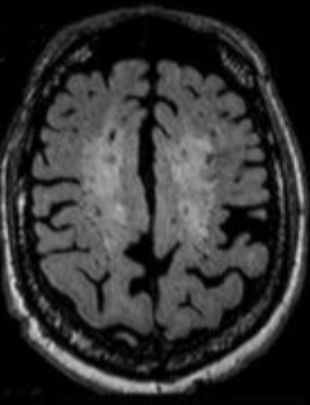
A characteristic pattern of damaged brain tissue in Binswanger’s disease can be seen with modern brain imaging techniques such as computed tomography or magnetic resonance imaging (MRI).
Binswanger’s disease results in white matter lesions in subcortical regions
Cerebral small vessel disease include Binswanger’s disease,
Cerebral small vessel disease (CSVD) refers to a constellation of various disorders relating to the vascular network in the brain, particularly concerning narrow capillaries, arterioles and venules. The advanced age of this vascular web as well as oxidation processes contribute to its degeneration and pathology. This medical condition can involve Binswanger’s Disease, leukoaraiosis, cerebral microbleeds (CMBs) or lacunar strokes; all representing particular forms at the different classifications of CSVD.
Symptoms
The most characteristic feature of Binswanger’s disease is psychomotor slowness – an increase in the time it takes, for example, for the fingers to transcribe thought from letter to letter on a piece of paper.
Other symptoms include forgetfulness (but not as severe as memory loss in Alzheimer’s disease), speech changes, unsteady gait, frequent falls, personality or mood changes (very probably in the form of apathy, irritability and depression), and urinary symptoms that are not caused by urological disease.
Brain imaging, which reveals the characteristic brain lesions of Binswanger disease, is essential for a positive diagnosis.
Treatment of Binswanger’s disease
There is no specific treatment. People with depression or anxiety may need antidepressant medication. Atypical antipsychotic drugs may be helpful in individuals with agitation and disruptive behavior.
Recent clinical trials with the drug memantine have shown improved cognition and stabilization of functioning and overall behavior.
Successful management of hypertension and diabetes can slow the progression of atherosclerosis, and subsequently slow the progression of Binswanger’s disease. Because there is no cure, the best treatment is preventive, controlling risk factors such as high blood pressure, diabetes, and smoking.
Binswanger’s disease is a progressive disease; there is no remedy. Changes can be sudden or gradual, then progress in stages. It can often coexist with Alzheimer’s disease. Behaviors that slow the progression of high blood pressure, diabetes, and atherosclerosis — such as eating healthy and maintaining healthy sleep/wake schedules, exercising, and not smoking or drinking too much alcohol — can also slow the progression of the disease.
Hypertension not only increases the risk of cardiovascular disease, but also that of Alzheimer’s disease.
Only half of individuals with hypertension are able to control their blood pressure, for various reasons: disease underestimated by the attending physician, poor medication intake by the patient, ineffective medication…
High blood pressure diagnosed between the ages of 35 and 64 increases the risk of Alzheimer’s disease by 61%, for various reasons:
it would promote the appearance of amyloid plaques which destroy neurons;
it would facilitate the narrowing of the small cerebral arteries which end up clogging, or even breaking, which leads to a mini-stroke.
On a global scale, taking into account the prevalence of arterial hypertension, its attributable risk in Alzheimer’s is 6.8%. Reducing the prevalence of arterial hypertension by 25% would reduce the number of Alzheimer’s patients by 100,000 in France.
In addition to antihypertensives, it is strongly advised to have a healthy lifestyle, for example by increasing physical activity.
In 2013, a study of autopsies of 774 men treated with a beta-blocker antihypertensive indicated that there were fewer cases of micro-brain lesions, cerebral atrophy, and lesions characteristic of Alzheimer’s disease. Alzheimer’s, compared to those who were not treated. Source: American Academy of Neurology meeting.
In summary, hypertension, or high blood pressure, is often linked to an increased risk of developing dementia, both of the vascular and Alzheimer’s types. It remains uncertain that hypertension is related to the aggregation of lesions higher plaques and tangles) of Alzheimer’s’ disease. A history of hypertension is believed to correlate with cerebrovascular changes that could potentially lead to dementia; however, the actual cause of this connection has yet to be determined. Midlife hypertension appears to be a particularly strong risk factor for late-life dementia whereas in later life, both low and high blood pressure readings can indicate an elevated risk.
An overview of Alzheimer’s disease: what are the risk and protective factors, signs and symptoms, diagnosis, assessment, causes and screening.
SUMMARY
The number of cases increases with age
Factors that increase the risk
Protective factors
Signs and symptoms
The signs that should worry us?
Diagnostic
Assessment
Etiology
Screening
Alzheimer’s disease is the most common dementia with 60% of dementia cases.
95% of cases are sporadic, affecting individuals in an isolated and irregular manner at a late age (over 65).
Hereditary forms (which are characterized by the transmission of ‘bad genes’) represent only about 5% of total cases. The genes involved in the family forms are the presenilin 1 and 2 genes (PSEN), leading to the onset of the disease in middle age (around 30 to 40 years depending on the mutated gene). The mutation being dominant, and since each parent transmits an allele (variant of the gene), a child is 50% likely to develop the disease.
There are also genetic predispositions caused by the mutation of certain genes, in particular the apolipoprotein E gene (APP) which increases the risk of developing the disease. The mutation is not dominant.
Some cases of early-onset Alzheimer’s disease are caused by genetic mutations that can be passed from parent to child. Researchers have found that this form can result from mutations in the APP and PSEN genes.
The number of Alzheimer’s disease cases increases with age
Five percent (5%) of people aged 65 and over are affected by the disease (8% suffer from dementia) in industrialized countries. The prevalence rate (total number of cases) increases exponentially with age, approximately doubling every 5 years. Fifteen percent of patients are under 75 years old. According to a report published in 2012 by the World Health Organization, Alzheimer’s disease affects from the age of 65 2.3% of men and 3% of women and affects 33% of men over 90 and 48. % of women of the same age. The table below summarizes the prevalence rate by age group and according to sex, which demonstrates that age is therefore the main risk factor and that women are more affected than men.
The tables below summarize incidence (number of new cases) and prevalence by age and gender.
Age
Prevalence rate
Impact
Men
65-69 years old
1
0.6
70-74 years old
3
1.5
75-79 years old
6
1.8
80-84 years old
12
6.3
>85 years old
20
8.8
Women
65-69 years old
1
0.7
70-74 years old
3
2.3
75-79 years old
6
4.3
80-84 years old
14
8.4
>85 years old
31
14.2
Sources: EUROMED, Paquid (France) The table below summarizes the incidence (number of new cases) according to age and sex.
Factors that increase the risk of Alzheimer’s disease
Age (main risk factor).
The low level of study.
The female gender.
Family history.
History of head trauma.
Depression.
Diabetes.
Untreated hypertension.
Genetic factors: in the sporadic forms of Alzheimer’s disease, a susceptibility factor has been demonstrated (the Epsilon 4 form of apolipoprotein E).
Toxic substances (controversial hypothesis at present).
Protective factors
Chronic use of nonsteroidal anti-inflammatory drugs. (hypothesis to be confirmed)
A healthy diet (Mediterranean diet).
Physical activity.
Cognitive activity.
Studies show that physically active people are less likely to experience a decline in mental function, and have a reduced risk of developing Alzheimer’s disease.
The multiplicity of these factors (probably interdependent) would explain why this disease presents itself under very diverse aspects and affects people unequally: thus it can affect a person aged 40 or 80 and its average duration after diagnosis varies from 5 to 8 years.
The signs and symptoms
People with Alzheimer’s disease often have difficulty remembering recent events, which interferes with their daily activities. This memory loss is often due to damage in a part of the brain called the hippocampus, which plays a critical role in day-to-day memory.
The stages of Alzheimer’s disease
There are different stages of Alzheimer’s disease depending on the severity of the symptoms:
Moderate stage
The disease is characterized by the insidious appearance of memory disorders (often denied by the patient) which evolve very gradually. These disorders may be accompanied by depression and/or anxiety. Memory problems gradually worsen, and other cognitive functions (e.g. planning, calculation) begin to be affected, leading to a (partial) inability to carry out certain activities of daily living (phoning, taking the bus, managing one’s budget).
Moderate to severe stage
The patient suffers from the advanced stage of anosognosia (he is no longer aware of his disorders), is disoriented in space and time. He has trouble communicating with those around him because of language, gnosis, praxis and attention disorders. The loss of autonomy now affects the basic activities of daily life (dressing, personal hygiene, moving around, toilets). Behavioral disturbances can occur at this stage and include agitation, hallucinations, aggressiveness towards those around them, delusional manifestations, sleep disturbances, apathy, ambulation, vocalization and stereotyped behaviors.
Severe stage
The patient has completely lost his autonomy. He eats less and less, weakens, facilitating the appearance of other mental disorders such as confusion, depression or slip syndrome (the patient lets himself die by refusing to eat). Other complications appear: falls with fractures, bedsores… The death of the patient occurs between 5 and 10 after the date of the first symptoms. The profile of clinical manifestations is given as an indication, as they are heterogeneous. In some patients, the symptoms start suddenly, while in others, the diagnosis of dementia can be made, for example, following a surgical operation (an operation sometimes causes mental confusion in an elderly person.
Diagnostic
in 1984, a group of researchers from NINCDS-ADRDA (National Institute of Neurological and Communicative Disorders and Stroke and Alzheimer’s Disease and Related Disorders Association) established diagnostic criteria. There are three diagnostic levels: possible (pre-mortem diagnosis), probable (pre-mortem diagnosis) and definitive (post-mortem diagnosis after biopsy).
These criteria are:
– Cognitive disorders (memory, language, judgment, reasoning, etc.) generally accompanied by behavioral and psychological disorders (agitation, depression, aggressiveness, wandering, insomnia, etc.) that can affect activities of daily living.
The symptoms of dementia have two main characteristics:
Symptoms appear in adulthood (mental retardation is not one of them).
The symptoms are in most cases progressive and irreversible (confusional and depressive states of the elderly are not included).
In 2010, the American Institutes of Health (National Institute of Health) adopted new diagnostic criteria for Alzheimer’s disease. They now take into account the breakthroughs made in neuroscience that have allowed a better understanding of the disease.
While the clinical criteria used since then described the last stage of disease progression (when symptoms of dementia had already manifested), the new guidelines consider all known stages of disease development, which progresses gradually and can cause brain changes over a decade before it becomes apparent.
The new criteria include three phases:
1. The first so-called preclinical phase. She describes changes in the brain, including the formation and accumulation of senile plaques made up of beta-amyloid aggregates. These plaques would be responsible for the death of neurons. The use of brain neuroimaging techniques and biomarkers* is now helping to determine if changes in the brain are warning signs of disease.
2. The second phase. It corresponds to episodes of memory loss that are sufficiently obvious to be measured and noted by those around them. On the other hand, they are not pronounced enough to cause the loss of autonomy.
3. The third and final phase. This is the phase of dementia currently described by the medical community.
* Neurologists are increasingly using biomarkers to observe the evolution of pathology. However, they cannot be routinely used to make a clinical diagnosis.
Complementary examinations (in particular neuroimaging examinations) do not contribute to the diagnosis of Alzheimer’s disease. They most often indicate enlargement of the cerebral ventricles and widening of the cortical sulci, reflecting neuronal loss.
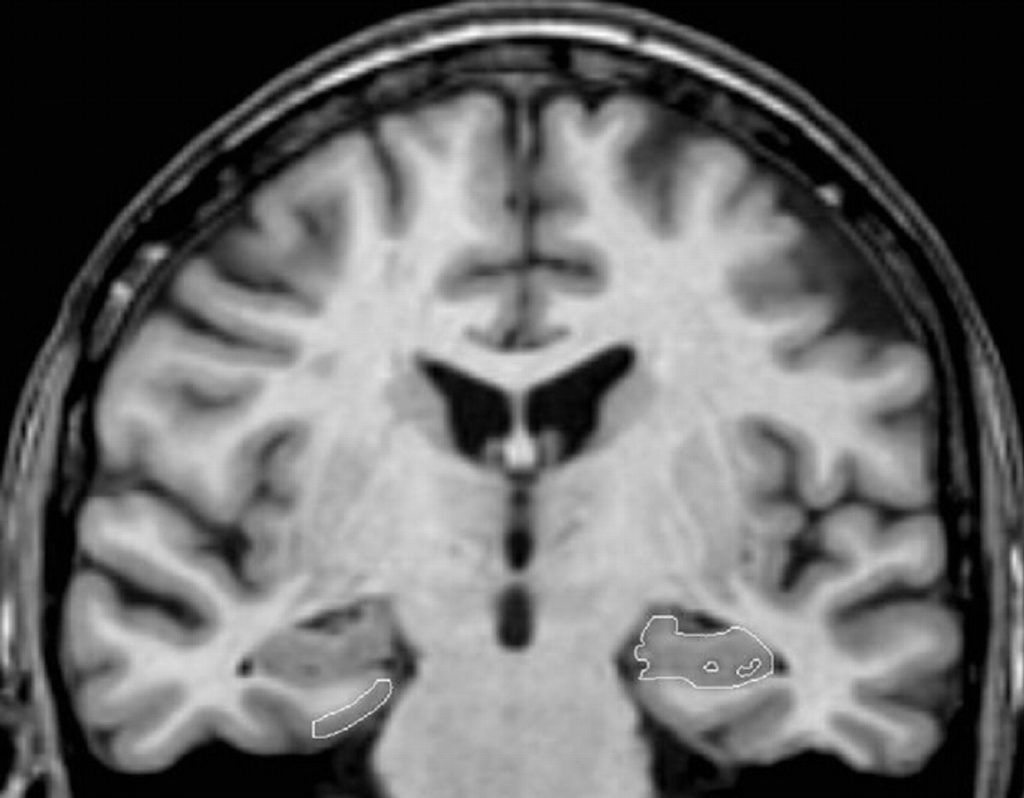
However, this aspect can be observed in healthy elderly people, as well as in patients suffering from other forms of dementia. However, hippocampal atrophy is considered specific for Alzheimer’s disease, and may aid in diagnosis.
According to the American psychiatric manual DSM-IV, the patient must fulfill criteria encompassing the following symptoms:
A. Appearance of multiple cognitive deficits as evidenced by both:
1. memory impairment;
2. one or more of the following cognitive disturbances:
Aphasia (language disturbance);
apraxia (impaired ability to perform an activity despite intact motor functions);
agnosia (inability to recognize objects despite intact sensory functions);
disturbances of executive functions (making plans, organizing in time, having an abstract thought).
B. Cognitive deficits in criteria A1 and A2 represent a significant decline from previous level of functioning.
C. The course is characterized by a gradual onset and continuous cognitive decline.
D. The cognitive deficits of criteria A1 and A2 are not due to:
other conditions of the central nervous system (eg cerebrovascular disease, Parkinson’s disease, brain tumour);
general conditions that can lead to dementia (eg hypothyroidism, vitamin B12 deficiency, HIV infection, etc.) substance-induced conditions.
E. Deficits do not occur exclusively during delirium.
F. The disturbance is not better accounted for by a disorder such as depression or schizophrenia.
Assessment
The evaluation of Alzheimer’s disease includes an interview with the patient and a family member, neurological tests, clinical examinations and neuroimaging.
Neuroimaging techniques can confirm or invalidate the diagnosis.
These techniques are:
• The electroencephalogram (EEG): this examination aims to see the electrical activity of the brain.
• Single photon emission tomography (SPECT): this assesses blood flow and the volume of cerebral regions.
• Positron emission tomography (PET): this studies the activity of brain regions. For example, patients with Alzheimer’s disease have reduced activity in the temporal and parietal lobes.
• Computed tomography: this measures the thickness of the regions of the brain affected in Alzheimer’s disease.
• Magnetic resonance imaging ( MRI): this visualizes changes in the structure of the brain.
• Functional magnetic resonance imaging (fMRI): this measures the functional activity of brain regions.
Image of a cross-section of the brain of a patient with Alzheimer’s disease obtained by magnetic resonance imaging
Blood and urine and cerebrospinal fluid tests to reveal vitamin deficiency, hormonal dysfunction, the presence of toxic agents or molecules involved in Alzheimer’s disease (e.g. amyloid protein)
Medical history ( e.g. history of head trauma, use of substances that may alter mental status).
Neuropsychological tests: the neuropsychological assessment contributes to the diagnosis in mild to moderate forms, by emphasizing the importance of memory disorders in relation to the deficit of other cognitive functions.
The MMSE is the most frequently used test because it quickly gives valuable information about short-term memory and other cognitive functions.
The other tests are the Clinical dementia Rating Scale, the ADAS scale (Alzheimer’s Disease Assessment Scale), the clock test, the free and cued recall test according to the procedure of Grober and Buschke and the five-word test.
Alzheimer’s disease, in the early stages, can be diagnosed through two neuropsychological examinations carried out +/- 6 months apart.
This delay will inform the doctor about the progressive nature of the disease (the evolution confirms the initial diagnosis).
Behavioral tests ( CERAD Behavior Rating Scale for Dementia, the neuropsychiatric inventory) are used to assess the frequency and severity of behavioral disorders.
Functional tests assess the degree of autonomy of patients, for example instrumental activities of daily living.
The causes
The causes of the disease remain unknown, but it is already strongly suspected that neuronal death is due to the abnormal accumulation of a protein called amyloid in the brain of Alzheimer’s patients, resulting in the form of aggregates in the form of amyloid plaques. around neurons.
Accumulating amyloid causes neuroinflammation, characterized by the production of cytokines, and oxidative stress, characterized by the production of free radicals.
These two phenomena would in turn increase the formation of plaques.
On the other hand, Alzheimer’s disease is characterized by neurofibrillary degeneration (NFD) which is characterized by lesions affecting the interior of neurons.
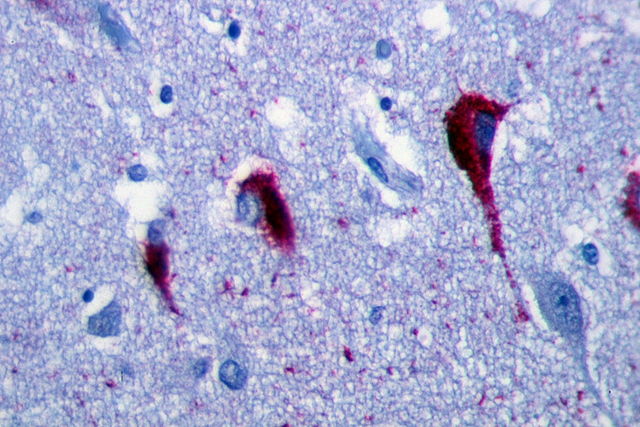
These DNFs are formed from an accumulation of a protein called tau protein which is present in an abnormal form.
Section of tissue showing Tau proteins appearing in an abnormal form and accumulating inside the neurons of a person suffering from Alzheimer’s disease.
These lesions are distributed throughout the brain, but predominate in the hippocampus and entorhinal cortex, a brain structure involved in memory storage.
Amyloid accumulation can occur 10 to 15 years before the first symptoms of Alzheimer’s disease, while tau protein begins to accumulate in the neocortex 3 to 5 years before the first symptoms.
Changes in amyloid and tau levels can be detected in cerebrospinal fluid, as well as by neuroimaging techniques (e.g. imaging using an amyloid-scoring probe).
The disease is also characterized by neuronal loss at the cortical level and a marked drop in acetylcholine, the neurotransmitter involved in memory.
Screening
Extensive efforts have been made to identify biomarkers in cerebrospinal fluid and blood. The measurement of the ratio between the tau protein and the amyloid protein in the blood is a reliable indicator of a pathology in subjects suffering from Alzheimer’s disease, but also in those who have not yet developed the disease.
Neuroimaging (e.g., positron emission tomography, MRI) is used to monitor disease progression, determine severity, and measure the effectiveness of treatment.
The use of a probe marking amyloid makes it possible to follow the accumulation of this protein and to identify the individuals who will develop the disease years later.