Commentaires fermés sur L’hospitalisation souvent associée à Alzheimer
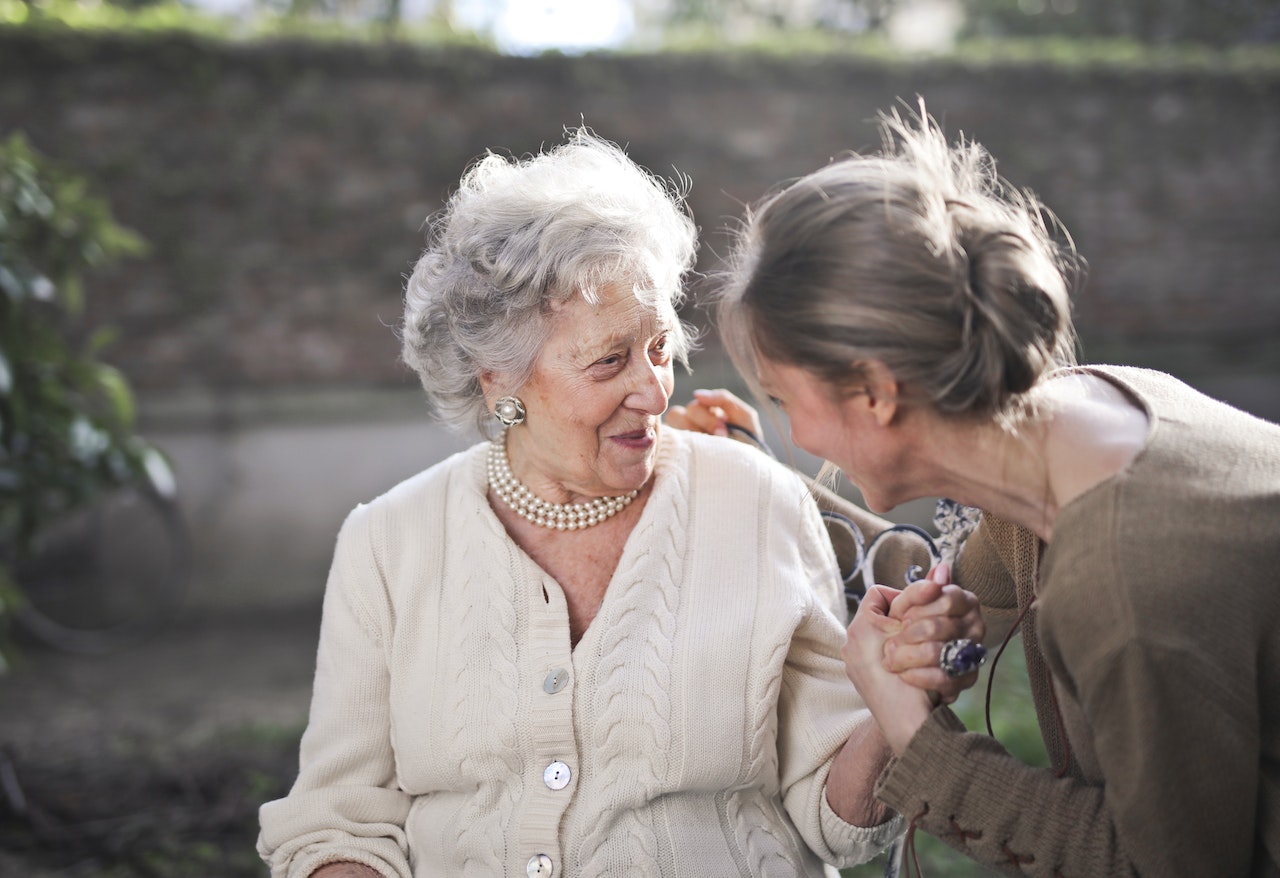
De plus en plus de cas d’Alzheimer sont détectés chez des personnes âgées après une hospitalisation.
La relation entre l’hospitalisation et la maladie d’Alzheimer
Les personnes âgées sont plus susceptibles d’être hospitalisées en raison de problèmes de santé tels que l’hypertension, le diabète et les maladies cardiaques. Cependant, ces hospitalisations peuvent également augmenter le risque de développer la maladie d’Alzheimer. Les raisons exactes pour lesquelles cela se produit ne sont pas encore entièrement comprises par la communauté scientifique.
Cela peut être en partie dû à l’inflammation qui se produit dans le cerveau lorsqu’une personne est hospitalisée. Cette inflammation peut causer des dommages aux cellules du cerveau et déclencher un processus neurodégénératif qui conduit finalement à la maladie d’Alzheimer.
De plus, certaines conditions médicales courantes chez les patients hospitalisés, telles que les infections pulmonaires et urinaires ainsi que l’insuffisance cardiaque, ont été liées à une augmentation du risque de développement ultérieur de la maladie d’Alzheimer.
Il est important pour les professionnels de santé travaillant avec des patients âgés d’être conscients de cette association potentielle entre l’hospitalisation et la maladie d’Alzheimer afin qu’ils puissent prendre des mesures pour minimiser ce risque autant que possible.
Infections pulmonaires et urinaires et Alzheimer
L’un des effets secondaires communs d’une hospitalisation est le risque accru d’infections pulmonaires et urinaires. Selon certaines études, ces infections peuvent également augmenter le risque de développer la maladie d’Alzheimer chez les personnes âgées.
Les infections pulmonaires peuvent endommager les cellules cérébrales en libérant des toxines dans l’organisme. Cela peut entraîner une inflammation systémique qui affecte négativement la fonction cognitive et augmente le risque de développer une démence.
Dans une étude publiée en 2023, des taux plus élevés de démence ont été observés chez les participants ayant été hospitalisés pour une infection. Ces résultats confirment l’hypothèse selon laquelle les infections sont des facteurs associés à un risque plus élevé de démence.
Il est important que tous les patients soient examinés régulièrement pour détecter toute infection potentielle, car un traitement précoce peut réduire considérablement le risque de complications graves pour leur santé mentale et physique.
En outre, il existe plusieurs mesures préventives pour minimiser le risque d’infections associées à l’hospitalisation, notamment le lavage fréquent des mains, l’utilisation appropriée des antibiotiques ainsi qu’une bonne hygiène personnelle au quotidien.
Prendre soin de sa santé générale est essentiel pour maintenir une bonne qualité de vie tout en réduisant potentiellement certains facteurs de risques liés à Alzheimer.
Plus de cas de maladie d’Alzheimer après hospitalisation, selon une étude américaines
L’hospitalisation s’accompagne plus souvent d’une maladie d’Alzheimer, selon une étude de médecins américains qui ont suivi pendant 10 ans plus de 3000 personnes saines et âgées de 75 ans en moyenne.
A la fin de l’hospitalisation, près de 500 sujets ont développé une démence, dont près de 60% était une démence de type Alzheimer.
Parmi celles atteintes d’une démence, 86% ont été hospitalisées au moins une fois, alors que seulement 59% des sujets sains ont été hospitalisés.
Les hospitalisations étaient causées dans deux tiers des cas par des infections pulmonaires et urinaires et une insuffisance cardiaque, suivies par une déshydratation et des ulcères duodénaux.
Commentaires fermés sur Le projet européen NeuroStemcell
Le projet NeuroStemcell («European consortium for stem cell therapy for neurodegenerative disease»; www.neurostemcell.org) est issu d’une coopération solide entre chercheurs et cliniciens européens dans le but de traiter certaines maladies neurodégénératives par des transplantations de neurones provenant de cellules souches ou par le développement de nouveaux médicaments.
Ces maladies, telles que les maladies de Huntington et de Parkinson, sont provoquées par la destruction de neurones dopaminergiques, provoquant des troubles moteurs irréversibles.
Les chercheurs participant à ce projet expliquent que la transplantation de neurones à partir de cellules souches pluripotentes est une stratégie prometteuse.
En effet, la pathologie des maladies de Huntington et de Parkinson progresse lentement et ces maladies se caractérisent par la perte de neurones sécrétant spécifiquement un certain type de neurotransmetteur, à savoir le GABA dans le cas de la maladie d’Huntington et la dopamine dans le cas de la maladie de Parkinson.
Les maladies neurodégénératives sont des affections qui affectent le système nerveux et entraînent la perte progressive de neurones. Ces maladies incluent la maladie d’Alzheimer, la sclérose en plaques et la maladie de Parkinson. Les traitements actuels visent à ralentir leur progression, mais il n’existe pas encore de traitement curatif.
NeuroStemcell se concentre sur l’utilisation des cellules souches neurales
Cette entreprise se concentre sur l’utilisation des cellules souches neurales pour traiter les maladies neurodégénératives. Les cellules souches sont capables de se différencier en différents types de cellules du cerveau, ce qui peut aider à remplacer les cellules endommagées ou mortes dans le cerveau.
Bien que cette thérapie soit encore au stade expérimental, elle offre un espoir prometteur pour ceux qui souffrent de ces terribles maladies neurologiques. Avec une recherche continue et des essais cliniques rigoureux, nous espérons voir bientôt arriver un traitement efficace pour ces patients atteints d’une affection débilitante et souvent fatale.
La thérapie cellulaire par les cellules souches neurales
NeuroStemcell est un projet ambitieux qui vise à améliorer la qualité de vie des personnes atteintes de maladies neurodégénératives. Grâce à l’utilisation de la thérapie cellulaire par les cellules souches neurales, ce projet ouvre de nouvelles perspectives dans le traitement et la guérison de ces maladies.
Bien que les recherches soient encore en cours, il est encourageant de voir comment cette approche novatrice pourrait aider à réparer et régénérer les tissus endommagés du cerveau, ainsi qu’à restaurer certaines fonctions cognitives chez les patients.
Commentaires fermés sur Prise en charge de la démence : une approche centrée sur la personne
Cet article est extrait du livre intitulé The Diversity of Alzheimer’s Disease: Different Approaches and Contexts. Rio de Janeiro: Cadernos IPUB. Annette Leibing et Lilian Scheinkman (eds.).
Son auteur est Hildegard Brack, docteur en psychologie, psychologue à la Division de Psychogériatrie de l’Hôpital Douglas à Montréal (Québec).
Introduction
Dans le modèle médical, le déclin mental et les troubles comportementaux accompagnant la démence irréversible (NDLR par exemple la maladie d’Alzheimer) sont directement associés à des dommages au cerveau qui altèrent les niveaux de neurotransmetteur (NDLR les molécules chimiques du cerveau). Le traitement de la démence se concentre sur la pathologie et la gestion des symptômes alors que l’influence des facteurs psychosociaux et de l’environnement physique est sous-estimée. Récemment, le modèle médical a été contesté. Kitwood, un des pionniers de la méthode centrée sur la personne démente, a souligné que la manifestation de la démence peut s’expliquer par l’interaction complexe entre la personnalité, le vécu, les troubles neurologiques, l’état de santé physique, et les facteurs psychologiques sociaux.
La démence provoque des incapacités qui souvent s’aggravent une fois que la personne est placée en institution. Puisqu’à ce jour la démence irréversible n’est pas traitable, l’idée prédominante est que peu de choses peuvent être faites pour les personnes démentes. De fait, seuls des soins de base sont prodigués, aggravant la dépendance et les incapacités. De plus, le travail quotidien convient plus souvent aux prodigueurs de soins qu’à ceux qui en bénéficient. Quand les aidants assistent la personne de manière adéquate, l’aggravation du handicap peut être évitée.
La perte d’identité, généralement attribuée à la démence, n’est pas inévitable et peut être empêchée selon la qualité des interactions avec la personne démente. De même, l’identité de l’individu apparaît dans le contexte social et peut être maintenue par des interventions appropriées. Le patient a le droit d’être traité avec respect et dignité. Des mesures légales quant à la prise de décision au nom du malade doivent être entreprises pour garantir la protection de l’individu, mais elles devraient s’exercer avec la participation de la personne concernée. En dépit de leur maladie, les patients ont le droit d’être traités comme des adultes, d’être informés, et de rester actifs dans un environnement sûr et structuré. Au delà des besoins de base, les besoins psychologiques, sociaux et spirituels doivent être satisfaits grâce à la bonne participation de ceux qui prodiguent les soins. La communication se concentre sur la compréhension de l’état émotionnel de la personne et sur l’écoute. La frustration et la colère peuvent apparaître lorsque l’on impose le retour forcé à la réalité, particulièrement chez les patients étant à un stade avancé de démence. Cependant, les relations interpersonnelles basées sur la validation, l’encouragement, la prise dans les bras et d’autres interactions de support qui intègrent l’histoire de la personne favorisent le bien-être, l’estime de soi et le respect de soi. Un comportement agressif du patient pourrait être une manière de communiquer des sentiments forts reliés à des besoins non satisfaits. S’occuper de la personne dans son ensemble et reconnaître le caractère unique de l’individu est d’importance. La personne peut avoir des attitudes familières et utiliser des fonctions résiduelles grâce à l’encouragement des professionnels de santé.
La fonction de pourvoyeurs de soins exige un entraînement. En plus de bonnes habiletés pour la communication verbale et non verbale nécessaire aux échanges verbaux et non verbaux, les professionnels ont besoin de montrer de la flexibilité, de la créativité, de la compassion et du respect pour la personne atteinte. Ils ont besoin également de l’appui de l’établissement de soin pour faciliter le confort et le bien-être des personnes dont ils ont la charge. Les études explorant la méthode de prise en charge de la démence font face à des difficultés méthodologiques multiples. La recherche effectuée par l’auteur de cette revue (NDLR Hildegard Brack) sur l’efficacité de la thérapie par la validation a montré des effets améliorations provisoires mais significatifs sur plusieurs aspects du comportement ainsi que sur la concentration et le langage. Les profils des participants ont montré une amélioration remarquable dans leur participation à la vie active et l’établissement des relations. Les rencontres sociales ont stimulé le rapprochement de groupes d’individus et facilité la communication dans une atmosphère de tolérance.
Même si à l’heure actuelle il n’y a pas de preuve expérimentale de fond sur l’efficacité de la méthode de soin centrée sur la personne, il est moralement impératif pour toutes les sociétés de traiter les personnes souffrant d’une démence avec respect, compassion et amour. Malgré que la démence provoque une immense douleur chez les patients et leurs familles, des méthodes de soins appropriées leur permettent d’être dans un état de bien-être la plupart du temps. Une approche centrée sur la personne nous permet de regarder au-delà d’un apport de soin de base, pour également satisfaire les besoins psychologiques, sociaux et spirituels de l’individu.
La démence sénile est connue depuis l’Antiquité. Pendant des siècles, selon une idée reçue persistante, on pensait que la vieillesse dégénérait nécessairement vers la sénilité. Encore aujourd’hui, la conviction persiste que la vieillesse est invariablement liée à la perte de mémoire et d’autres fonctions essentielles, et débouche, tôt ou tard, sur une entière dépendance. Toute fois la plus grande part de la population âgée ne présentant pas ces troubles, cette inquiétude est loin d’être justifiée. L’on estime à seulement 7,5% le pourcentage de personnes souffrant d’Alzheimer ou de l’une des formes apparentées de démence entraînant l’amenuisement graduel des fonctions cognitives et modifiant les capacités motrices et comportementales. Le risque de démence augmente avec l’âge cependant, jusqu’à 33% chez les personnes âgées de plus de 85 ans (Société canadienne d’Alzheimer, 2001). On évalue, qu’au Canada, le nombre de personnes souffrant de démence atteindra 750 000 avant 2031 résultant de la croissance sans précédent du segment de la population âgée de plus de 85 ans (canadian Study of Health and Aging Working Group, 2000). On évalue à 14 millions le nombre d’Américains atteints d’Alzheimer en 2050 (Hamdy et al.,1994).
La maladie d’Alzheimer, comme toute démence irréversible, ravage la vie de ceux qui en souffrent. La vie de leur famille s’en trouvera grandement perturbée, car désormais elle va devoir s’adapter aux besoins du malade et accepter de nombreuses restrictions et nouvelles responsabilités. Les communautés et la société dans l’ensemble doivent apporter les soins et les traitements dans le cadre de leur système de santé et des services sociaux.
La hausse prévue dans le nombre de cas de démence et le coût grimpant des traitements, ont mené, pour leur part, à une hausse de prise de conscience publique et un intérêt plus marqué de la part d’instances gouvernementales. Nous disposons aujourd’hui de traitements pharmacologiques pouvant alléger les symptômes et retarder la progression de la maladie. Alors que la recherche ne dispose pas encore de preuves de ce qui constituerait la méthode la plus efficace et la plus humaine à la fois, certains groupes ont mis en avant une méthode centrée sur la personne.
On exposera plus loin de manière sommaire, les différences enter une approche médicale conventionnelle des maladies mentales et une approche davantage centrée sur la personne. Prodigués selon le modèle médical, les soins adoptés menaient souvent à une plus grande incapacité chez les personnes souffrant de démence, en raison du caractère élémentaire des soins, menant ainsi à une dépendance encore plus grande. La croyance populaire voulant que le sens de soi se perde avec la progression de la démence se trouve contrebalancée par un nombre grandissant de témoignages que le soi demeure intact et ce, jusque dans les stades avancés de la maladie, et qu’il soit possible de préserver l’intégrité de la personne grâce à des soins bien adaptés.
Au-delà du respect de l’intégrité et des droits élémentaires de l’individu, on doit mettre à la disposition de celui-ci un encadrement qui répondra à ses besoins psychologiques, sociaux et spirituels que l’on ne peut négliger. Ces besoins seront satisfaits si la communication se déroule à un niveau compréhensible pour la personne et si les relations interpersonnelles s’inscrivent à l’intérieur d’interactions claires et précises. Considéré dans son entier, reconnu dans son caractère unique, l’individu conservera la capacité de bien fonctionner et son bien-être se maintiendra à un niveau optimal dans un environnement où les soins lui seront prodigués avec amour et compassion. Bien sûr, il est important d’apporter les preuves de l’efficacité de l’approche centrée sur la personne, bien que les chercheurs dans ce domaine butent sur de nombreux obstacles méthodologiques.
Modèle médical versus méthode centrée sur la personne
Le traitement selon le modèle médical se concentre sur la pathologie et vise à soigner la maladie. La priorité étant accordée à celle-ci, le traitement des symptômes se fera selon les directives cliniques concernant le traitement des patients atteints de la maladie d’Alzheimer et d’autres démences. Ces directives mettent l’accent sur un traitement psychiatrique des symptômes comportementaux, suivis d’un traitement des troubles fonctionnels et cognitifs (directives de l’American Psychiatric Association, 1997). L’importance du rôle psychosocial, telles que la qualité des relations interpersonnelles et l’influence de l’environnement sur le malade, s’y trouve grandement sous-estimée. Selon le modèle médical, le déclin mental et les troubles de comportement sont directement attribués aux lésions au cerveau et aux changements dans la transmission neuronale qui en découlent.
Pendant longtemps, les chercheurs ont favorisé les domaines comme la génétique moléculaire et la neuropathologie. De nouveaux outils de diagnostic (par ex. les techniques d’imagerie cérébrale) et des traitements pharmacologiques ont été mis au point. Dans ce contexte, les chercheurs ne se sont pas intéressés à l’individu souffrant de la maladie. Ainsi, la personne et son expérience subjective de la maladie n’ont pas fait objet d’études. Tous ces facteurs perpétuent la conviction qu’à part apporter des soins très élémentaires, rien ne peut être fait. Mais voilà que récemment, ce modèle de pratique médicale a été remis en question. Tom Kitwood, l’un des premiers à s’intéresser au traitement centré sur la personne, a montré que la démence ne résultait pas uniquement d’une pathologie cérébrale mais aussi du croisement complexe de facteurs comme la personnalité du malade, sa biographie, son handicap neurologique, sa santé physique et sa psychologie sociale. L’interaction de tous ces facteurs explique que malgré certaines caractéristiques cliniques communes, il existe une grande variabilité chez les malades. La personnalité et l’histoire de chacun, formées durant toute une vie devraient faire partie du profil médical unique de chaque malade. L’influence des lésions cérébrales sur le traitement et le stockage de l’information dépend de leur type, de leur emplacement et de leur importance. Une mauvaise condition physique peut également avoir une grande incidence sur le fonctionnement mental. Une fois traité, toutefois, l’état mental s’améliore. Quant à la manifestation clinique de la démence, Kitwood met l’accent sur l’environnement psychosocial comme facteur déterminant. Selon lui, le modèle médical, en accordant la priorité au traitement de la maladie, a négligé de traiter l’individu souffrant de la maladie. L’auteur souligne que la qualité des soins décide de la manière dont la démence se manifestera et qu’un climat psychosocial positif laisse entrevoir la possibilité de restituer certaines fonctions.
Incapacité excessive
Ceux qui s’occupent des personnes souffrant de démence font face à un défi de taille. Mace et Robins (1991) en font état dans leur livre au titre parlant : « Une journée de 36 heures ». De nombreux soignants et aidants familiaux, se sentant dépassés, se voient dans l’obligation de placer leur proche dans une institution, au risque de commencer à souffrir, eux-mêmes, de problèmes d’ordre physique ou mental (Burns et Rabins, 2000, Donaldson 1998). Le changement drastique que représente la vie en institution peut s’accompagner d’une détérioration dans le fonctionnement. Se sentant aliénée, la personne peut se replier sur elle-même, devenir angoissée ou se révolter. Sans lien avec la progression de la maladie, de tels comportements sont une réponse à l’austérité d’un milieu bruyant et stérile. Ces réactions peuvent mener à une incapacité exagérée, notion mise de l’avant par Kahn et Goldfarb (Kahn, 1965). On parle d’incapacité excessive quand l’incapacité fonctionnelle dont souffre la personne dépasse celle causée par le véritable handicap. Outre les maladies parallèles, la fatigue ou les réactions adverses aux médicaments, des facteurs psychologiques comme le stress, l’apathie, la dépression et la frustration peuvent occasionner une dégradation prématurée. Des facteurs sociaux, comme la pauvreté des interactions et des relations ainsi que des facteurs environnementaux, comme une stimulation trop grande des sens, l’absence de marches à suivre, le manque d’effets personnels peut conduire à une dégradation autrement évitable. Puisqu’il n’existe pas de traitement contre la forme irréversible de démence, les institutions ont tendance à n’assurer que les soins élémentaires. On aide le malade à faire sa toilette, on l’accompagne lors des repas et on s’assure de sa sécurité. Cependant, en prodiguant des soins de manière impersonnelle, inadaptés aux besoins, ces institutions encouragent la dépendance et aggravent l’incapacité du malade. De plus, le mode de fonctionnement des institutions est très rigide et répond davantage aux besoins des employés qu’à ceux des malades. Cela veut dire que la personne souffrant de démence, éprouvant déjà de la difficulté à comprendre ce qui se passe autour, se verra bousculée dans ses habitudes quotidiennes. Ces soi-disant problèmes comportementaux qui surviennent lors des bains, des repas ou du réveil matinal pourraient être contournés avec des routines plus flexibles qui donneraient la priorité aux besoins du malade plutôt qu’aux prérogatives institutionnelles. Les interactions quotidiennes avec le malade, permettront au soignant de juger de la capacité de celui-ci à s’occuper de lui-même. Encouragé, initié ou surveillé, il pourrait effectuer des tâches autrement jugées hors de ses capacités, ce qui aurait un effet bénéfique sur son moral. Le fait de participer à des activités et d’assumer des rôles familiers lui permettrait de maintenir l’autonomie et décider de certains aspects de sa vie. Ainsi, les capacités non atteintes par la démence le resteront plus longtemps si le patient reste actif. En même temps, son moral et sa qualité de vie s’en verront grandement améliorés. Un soignant connaissant bien l’individu évitera d’exposer le malade aux activités trop exigeantes pouvant mener à l’échec et à la frustration. Lorsque le soignant assume le rôle de moniteur, il empêche la dégradation excessive des capacités fonctionnelles du malade et contribue à son bien-être.
Individualité – Identité
Il fut un temps où l’on associait la démence à la perte de soi. En Amérique du Nord, cependant, des auteurs tel que Feil (1982) dans son livre sur les effets thérapeutiques de la validation et Cohen et Eisdorfer (1986) dans leur livre ‘The loss of self’, ont émis l’hypothèse inverse selon laquelle les personnes atteintes de démence étaient des être humains uniques, avec des sentiments, des besoins et des désirs qui leur sont propres. En 1993, Burgener et ses collègues ont mis de l’avant la notion du « soi exprimé » pour illustrer la manière dont les personnes âgées souffrant d’un handicap mental expriment leurs qualités et caractéristiques individuelles. Leur étude a dénoté l’expression personnelle de soi dans des domaines comme l’apprentissage, les relations avec les autres, le sens de l’humeur, la solitude, le désespoir et la spiritualité. Aujourd’hui, on est de plus en plus convaincu que c’est la qualité des interactions avec la personne malade qui décide de la préservation de l’intégrité du soi. Dans le passé, et aujourd’hui encore, il arrive que les familles pleurent le départ d’un proche alors que celui-ci est encore vivant. La peur de la perte de soi a aussi été exprimée par les individus souffrant de démence modérée encore capables de s’auto-analyser et d’exprimer leurs pensées et sentiments oralement ou par écrit. On a longtemps écarté la possibilité que ces individus soient en mesure de contribuer à une meilleure compréhension de la maladie jusqu’à ce que les récits de leur expérience soient publiés, relatant la perte de la capacité de fonctionner, le désarroi qui en résultait, et les méthodes de s’y adapter (Davis,1989; Rose,1996; Boden, 1998, Rozelle, 1998). L’exploration plus poussée de cette voie mettrait en lumière la peur de la perte de soi, les espoirs et les attentes tels que vécus par les malades. Malgré que la vie entière d’un individu se passe au sein de relations avec les autres, les habitants du monde occidental se sentent aliénés des autres et divisés en eux-mêmes (Burkitt,1992). Du moment où le soi et la société forment deux entités séparées, on observe une montée d’individualisme. Ce concept favorise l’autonomie et la prise en charge par l’individu de son propre développement personnel (Lukes,1973). Un point de vue divergeant est exprimé par Sampson (1993) qui voit l’être humain en évolution continuelle dans les échanges, les dialogues, et qui met l’accent sur l’importance de ce qui lie les individus. En 1934 déjà, Mead suggérait que le moi et l’esprit prenaient forme à l’intérieur des échanges sociaux d’un groupe s’ajustant perpétuellement. Alors que l’indépendance figure parmi les valeurs premières en Amérique du Nord, les japonais préferent les formes de dépendance s’étalant sur toute une vie (Smith, 2000). Les hindous admettent l’existence d’un « soi matériel » moins important qu’expriment les pensées, les désirs et les sensations et d’un « soi réel » stable et sacré indissociable d’avec la totalité de l’univers ( Marsella et al., 1985). Selon la société dans laquelle on vit, différentes valeurs et différents objectifs de socialisation prévalent et forment le concept du sentiment de soi. En Amérique du Nord, le concept de soi est intimement lié aux valeurs d’indépendance et d’autonomie. Par conséquent, leur dégradation progressive mène, aux yeux de la société, à la perte de soi. Sabat et Haré affirment que malgré une sévère détérioration des fonctions cognitives et des problèmes de comportement relevant de la démence, l’individu reste à l’abri de la perte de soi, à savoir le soi correspondant à l’identité personnelle. Kitwood (1992) cependant, émet l’hypothèse contraire. Selon lui, l’identité individuelle émerge du contexte social. L’individu n’en est pas le maître; elle lui est plutôt octroyée par les autres qui lui accordent le statut de personne reconnue et respectée comme unique en-soi. La personne atteinte de démence, incapable d’adaptation, dépend des soignants pour se construire une identité personnelle. L’auteur soutient que la manière dont les individus sont traités peut compromettre partiellement ou entièrement l’identité individuelle. C’est faire preuve d’un manque de respect que de restreindre, d’isoler, ou de soumettre à l’aide de médicaments un individu. Le facteur psychosocial est déterminant. Kitwood parle de psychologie sociale nocive (‘malignant social psychology’) sans toutefois blamer automatiquement les soignants malintentionnés. Ce sont les pratiques comme le renforcement de la dépendance, l’infantilisation, l’intimidation, la dépréciation qui mettent en cause l’identité du malade (Kitwood,1993a). Selon une perspective philosophique, l’identité personnelle comprenait un ensemble de caractéristiques telles que la conscience de soi, l’habileté à communiquer et la rationalité, l’emphase étant largement mise sur le fonctionnement cognitif. Harrison (1993), croit qu’une vision réductionniste et parcellisée de l’identité a, en partie, servi de source de connaissances et de base théorique a l’administration des soins aux personnes atteintes de démence. L’auteur voit l’identité personnelle plutôt comme le récit d’une vie, une gestalt dans une structure cohérente et organisée. Elle est d’avis que les soignants seraient en mesure de prodiguer de meilleurs soins s’ils prenaient en considération le vécu particulier de chaque malade, ses expériences passées, ses valeurs, le milieu socio-culturel dont il est issu. Dans les pays occidentaux, un individu atteint de démence se voit accorder les mêmes droits fondamentaux dont jouissent tous les humains: le droit au respect et a la dignité. Puisque la démence altère les fonctions cognitives comme la capacité de raisonner et de juger, la personne malade doit se faire assister dans la prise de décision touchant sa personne ou la gestion de ces finances. C’est une manière de protéger la vie et la santé du malade et d’empêcher qu’il ne soit victime d’abus. Pour cette raison, on doit évaluer le degré d’autonomie de l’individu et sa capacité de prendre des décisions afin d’assigner l’autorité décisionnelle selon l’unique critère de protection du malade à un degré jugé nécessaire. En conséquence, le pouvoir décisionnel sera transmis à un représentant légal. Jugé incompétent, l’individu changera de statut légal et se verra retirer tous ou certains droits de prendre des décisions de nature personnelle ou financière (Glass,1999). La personne gardera cependant, le droit d’intervenir lors des délibérations et d’y participer selon ses capacités. Quel que soit son lieu de résidence (milieu familial, établissement de soins, maison de soins infirmiers), il est primordial que les besoins physiques, psychologiques, sociaux et spirituels de la personne souffrant de démence soient satisfaits. Bell et Troxel (1997), dans leur « Déclaration des Droits » (Bill of Rights) destinée aux individus atteints d’Alzheimer, énumèrent les droits des personnes souffrant de démence. Parmi ces droits, se trouve le droit d’être informé de leur diagnostic, d’avoir régulièrement accès aux soins médicaux, de travailler et de participer aux loisirs aussi longtemps que possible, et de voir les manifestations émotives prises aux sérieux, sans infantilisation. De plus, la personne malade a le droit, si possible, de ne pas se voir administrer de psychotropes, de vivre dans un environnement prévisible, bien encadré et sûr, de participer à des activités intéressantes quotidiennement, d’être entouré de gens qui connaissent leur vie, et d’être soignée par des individus bien formés dans les soins aux personnes atteintes de démence. L’individu a le droit d’être informé de son état de santé, de se faire expliquer les soins qu’il reçoit, et d’en prendre part, si possible, avec l’assistance de la famille. Faire des choix et avoir la possibilité de dire «non» aux suggestions des soignants l’aidera à se percevoir comme une personne digne de respect. La préservation de l’estime de soi, le droit à l’autonomie et une indépendance maximale doivent être respectés. Chaque décision prise de manière indépendante conférera à l’individu le sentiment d’être encore capable de maîtriser certains aspects de sa vie. C’est la raison pour laquelle il est nécessaire d’enrichir l’environnement et d’adapter les routines de manière à mettre à la disposition de l’individu plusieurs options.
Besoins
Si on veut répondre aux besoins des malades, la question de l’évaluation se pose comme primordiale. Parce que la démence est cause de handicaps, c’est par l’entremise des soignants que ces besoins seront définis ainsi que la manière de les aborder. Feil (1982) et Kitwood (1997) suggèrent que l’on doit interpréter les messages derrière les expressions verbales et non verbales afin de saisir les besoins sous-jacents. L’administration de soins entiers exige une prise en charge qui aille au-delà des besoins physiques les plus fondamentaux pour englober les besoins psychologiques sociaux et spirituels de la personne. Les principaux besoins des personnes atteintes de démence ne sont pas différents de ceux des tous les êtres humains. Là où ils habitent, ils veulent se sentir chez eux, à l’aise et en sécurité. Un soignant attentionné et déterminé peut apporter le sentiment d’être chez soi. Les liens qui se sont formés tout au long d’une vie sont d’une importance vitale dans un milieu difficile à déchiffrer et anxiogène. La personne atteinte de démence, désirant faire partie d’un groupe et s’y voir attribuer un rôle important, attend l’occasion de devenir membre à part entière d’une communauté. La participation à la vie collective et l’utilisation des habiletés intactes empêchera l’apparition de l’ennui et de l’apathie, et préviendra la perte prématurée des facultés. Kitwood (1997a, pp.80-84) suggère que pour bien fonctionner, les humains requièrent le confort, l’attachement, l’acceptation, une occupation et une identité. Quand tous ces critères sont remplis, l’universel besoin d’amour est satisfait. Ces besoins s’inscrivent dans l’évolution de l’espèce humaine et sont étroitement liés au fonctionnement du système nerveux. Ils revêtent une grande importance pour ceux dont la vie est déjà ponctuée de pertes, de restrictions et d’exclusions. Ces personnes ont besoin de réconfort et d’appui de la part de ceux dont ils ont la confiance. En se voyant accorder une place bien à eux dans une communauté, ils pourront sauvegarder leur identité.
La communication
En occident, les échanges entre les personnes se font souvent, quoique pas uniquement, à un niveau cognitif, puisqu’elles consistent en un échange de renseignements ou d’opinions. Dans les établissements de soins, il n’est pas rare que l’on tente de communiquer sur une base purement cognitive avec ceux qui souffrent de démence. Alors que cette approche est appropriée à la communication entre personnes ne souffrant pas de démence, les soignants doivent faire preuve de discernement et adapter le niveau de communication à chaque malade lorsqu’ils s’adressent à eux. Souvent, le personnel soignant corrige les fausses croyances des patients pour les ramener à la réalité, passant outre la réalité telle qu’elle est vécue par l’individu. Par exemple, on explique à la personne qui exprime le désir de voir sa mère que celle-ci est décédée depuis longtemps. Des soins dont la priorité vise l’individu et la maladie dont il est atteint, remplacent cette démarche trop ‘cognitive’ par une approche qui prend en considération l’état émotionnel du malade. Le clinicien Feil (1982) fut parmi les premiers à remettre en question le retour forcé à la réalité puisque la correction de la perception de celle-ci déstabilise la personne et suscite des réactions violentes.
Souvent, les personnes atteintes de démence présentant des troubles du langage continuent néanmoins à communiquer à l’aide de phrases décousues, fragmentées ou incompréhensibles, accompagnées d’expressions non-verbales comme les gestes, le langage corporel, l’expression faciale, le ton et le volume de la voix. Des interactions gratifiantes demeurent possibles entre deux personnes souffrant de démence même si leur conversation se passe dans deux langues différentes. A l’instar des parents qui apprennent progressivement à déchiffrer les grimaces de leur enfant avant que celui-ci ne parle, les dispensateurs de soins doivent porter attention à la communication non verbale. Il est important que les soignants soient capables d’interpréter correctement l’information verbale et non verbale afin de bien identifier ce que l’individu tente d’exprimer. La personne âgée qui veut revoir sa mère disparue depuis longtemps devrait être écoutée avec sympathie. Le soignant pourrait entamer une conversation autour de ce que sa mère représentait pour le malade en lui demandant s’il s’ennuie d’elle. En se mettant à l’écoute de ses émotions, en leur fournissant une échapatoire, le malade satisfait ainsi son besoin d’attachement et de réconfort. Bien que leur fonctionnement quotidien et l’aptitude à s’exprimer verbalement soient perturbés, il n’en demeure pas moins que les personnes atteintes de démence continuent à vivre toute la gamme d’émotions humaines auxquelles elles donnent libre cours, sans une censure rationnelle qui, d’ordinaire, régit les relations interpersonnelles.
Relations interpersonnelles
Les interactions avec leur entourage sont d’une importance capitale pour les personnes atteintes de démence. Un interlocuteur qui s’adresse au malade avec l’idée toute faite que celui-ci n’est pas en mesure de comprendre ou d’apprendre, en tirera une expérience négative se traduisant éventuellement par des comportements agressifs. Cependant, du moment que l’individu est considéré comme un être dont les pensées et sentiments sont reconnus, il se sentira validé comme personne à part entière et en tirera une grande force. Kitwood (1997a, p.119-120) a présenté une liste sommaire de 12 types d’interactions auxquelles le soignant peut participer dans le but de renforcer le sentiment de soi des individus atteints de démence, et d’enrichir les échanges entre l’individu et le milieu social dans lequel il vit. La reconnaissance suppose des gestes simples comme le fait de saluer le malade. La « négociation » permet au malade d’exercer un certain contrôle sur un besoin ou un désir. L’apport de soins se déroulera plus aisément si le malade peut y participer selon ses capacités. De plus, un environnement favorable accepte et encourage le « jeu ». « Timalation », un néologisme, désigne toute la gamme d’interactions qui visent à stimuler les différents sens. Il y a place pour la célébration des occasions joyeuses, planifiées ou spontanées et pour la relaxation et la détente en groupe. De plus, Kitwood propose des interactions de nature psychothérapeutique : la « validation » : la reconnaissance de l’expérience personnelle de l’individu et les émotions qui en découlent; le fait de serrer dans ses bras, qui peut être autant un geste physique que psychologique; et la « facilitation » peut rendre possible une action grâce à l’intervention du soignant. Il y a donc deux types d’interactions durant lesquelles c’est le malade et non le soignant qui initie une activité créatrice ou un geste de partage qui alors sera reconnu et approuvé par le soignant (Kitwood,1997). Dans un environnement optimal, les soignants connaissent l’histoire personnelle de leur client et y font référence le plus souvent possible lors des interactions avec celui-ci. Cela veut dire: évoquer les événements importants, parler des objets chers au malade, regarder des albums photo et faciliter des activités familières. Quand le malade se voit accorder le statut d’individu à part entière, son bien-être s’améliore, l’estime et le respect de soi grandissent. Les personnes souffrant de démence sont très sensibles au sort et aux besoins des autres et sont très contentes de pouvoir aider. Les personnes vivant en établissement de soins entrent en contact non seulement avec les soignants, mais aussi avec les autres résidents. Certains réussissent à établir des liens durables. Par exemple, deux personnes peuvent s’attacher l’une à l’autre et se penser mari et femme. Une telle relation, établie sur une base émotionnelle, permet d’entretenir un lien et une compréhension mutuelle malgré les difficultés à communiquer à l’aide du langage. D’autres manqueront d’initiative et attendront de se faire approcher par un soignant ou un autre résident pour engager une conversation ou créer des liens de camaraderie; ces liens renforcent la reconnaissance de soi de l’individu. Les méthodes d’encouragement et de facilitation n’empêcheront pas, toutefois, les situations de crise de se produire; celles-ci vont devoir être réglées. Il arrive qu’un comportement violent, comprenant des cris ou des coups soit en fait un moyen d’exprimer des sentiments très forts comme la panique ou la colère de voir ses besoins non satisfaits. La communication verbale étant troublée, la tâche de déterminer le besoin sous-jacent est un processus qui demande beaucoup de patience et de disponibilité psychologique. Le soignant peut alléger la crise en offrant sa compréhension et son écoute. Une approche humoristique peut changer positivement l’humeur d’une personne même atteinte de démence modérée ou avancée. Devenu grandement dépendant des autres, l’individu ne peut s’adonner aux activités sans assistance. Cependant, une relation interpersonnelle demeure possible grâce à une approche visant la stimulation multisensorielle.
L’individu au centre de l’attention
En s’occupant de la personne dans son entier, en respectant son caractère unique, le soignant favorise la poursuite d’activités auxquelles celui-ci s’adonnait dans le passé. Cela nécessitera peut-être une assistance et quelques adaptations, mais souvent en se servant de ses habiletés résiduelles la personne pourra continuer à pratiquer l’activité qu’elle aime. En restant active, elle gardera ses capacités en bonne condition tout en développant son autonomie. Le sentiment intime de joie et d’accomplissement vécu de manière subjective est le facteur déterminant du bien-être de la personne. Ainsi, il en revient au soignant de ne pas exposer celle-ci aux situations qui, compte tenu des handicaps du malade, pourraient s’avérer frustrantes. Par ailleurs, il est important d’encourager l’individu à prendre des décisions aussi souvent que possible. La personnalité des malades, leurs intérêts, leur système de valeurs, l’origine et les coutumes expliquent la différence dans la manière de réagir aux mêmes événements. Le soignant peut s’inspirer de l’information apportée par les membres de la famille sur le passé de la personne pour entretenir des liens qui autrement seraient impossibles. Il devient alors possible pour la personne de sauvegarder la part de son identité qui reste enracinée dans les expériences passées. Ceci est d’autant plus vrai que dans les établissements de soins de longue durée, la biographie du malade reste souvent méconnue. Les résidents de ces établissements doivent donc avoir la possibilité de participer à des activités intéressantes, d’assumer les rôles qui leur sont familiers et de développer un sentiment d’appartenance afin de se sentir chez soi. Des activités comme les tâches ménagères, le jardinage, les soins personnels, mais aussi le chant, la danse, les fêtes devraient se dérouler en petits groupes et, si nécessaire, par étapes. Entouré de personnel attentif, empli de compassion et chaleureux, l’individu verra son sentiment de soi s’affermir et son bien-être s’améliorer.
Les difficultés reliées à la prestation de soins
Les pourvoyeurs de soins professionnels travaillant avec des personnes atteintes de démence font face quotidiennement à des difficultés multiples. Ceux qui travaillent dans ce domaine devraient être bien formés et bien choisis. Un véritable intérêt porté à cette clientèle particulière, un esprit ouvert et une sincère volonté d’apprendre devraient figurer parmi les conditions d’engagement du personnel. La prestation de soins requiert une bonne aptitude à la communication orale, mais aussi l’habileté à saisir l’information transmise de manière non verbale. Idéalement, le soignant devrait faire montre d’une grande disponibilité psychologique, et se tenir prêt à interpréter le message envoyé par le malade à tout moment. Il faut une grande flexibilité pour réagir de manière à répondre aux besoins changeants d’un instant à l’autre. Le milieu est en constante évolution, ce qui invite à trouver des solutions créatives. Un soignant compréhensif peut grandement diminuer l’immense souffrance que cause la démence. Le malade peut percevoir le milieu dans lequel il vit, l’environnement ou le personnel qu’il y côtoie comme menaçants et écrasants et se sentir aliéné, frustré ou angoissé. Un prestataire de soins chaleureux et compatissant non seulement trouvera les bons mots mais aussi les bons gestes, en serrant le malade dans ses bras, par exemple, en faisant preuve de respect envers ce dernier et en lui permettant d’affermir son sentiment de soi. Compte tenu des qualités nécessaires pour exercer ce métier, les soignants devraient répondre à des critères très exigeants afin d’assurer des soins axés sur la personne malade. Des coupures dans le personnel s’ajoutent aux difficultés dans l’apport de soins individualisés. Il en résulte que les soignants sont dépassés par des demandes venant de toutes parts auxquelles ils ne peuvent répondre de manière adéquate. La qualité de soins en souffre quand l’excès de travail épuise les soignants physiquement et émotionellement. L’établissement de soins se doit de respecter ses employés et leurs requêtes et leur fournir le support nécessaire. C’est seulement lorsque les employés eux-mêmes se sentent bien qu’ils peuvent exercer un effet bénéfique sur les malades.
Etudes sur les méthodes d’approche de prise en charge des personnes atteintes de démence
Les études sur les façons de dispenser les soins aux personnes démentes se butent à des difficultés d’ordre méthodologique liées à l’étude d’une clientèle vulnérable qui ne se livre pas facilement a l’évaluation. L’interprétation des analyses quantitatives est affectée par les changements de l’état de santé des participants et par leur motivation chancelante. Aussi, la taille de l’échantillon pose souvent problème, car elle tend à diminuer au cours d’une étude pendant la phase dépressive de la personne. Certaines études rapportent des résultats positifs, mais ne répondent pas aux critères stricts d’une méthode expérimentale, ou bien fournissent des améliorations négligeables du point de vue statistique.
Feil (1982), le premier clinicien ayant souligné l’importance de l’expérience subjective, a développé la thérapie par la reconnaissance. Cette méthode veut que l’on accepte la réalité telle qu’elle est perçue par le malade ainsi que l’expression des sentiments qui s’y rattachent. Des chercheurs ont pu analyser les résultats de deux des trois études contrÔles randomisées publiées sur cette méthode. Ces résultats indiquent qu’aucune de ces études n’a rapporté d’efficacité significative de cette méthode (Neal et Briggs, 2000). Une autre étude (Brack, 1997) a également examiné l’efficacité de cette thérapie. Elle rapporte une légère amélioration sur les activités de la vie quotidienne et une différence significative sur certains paramètres comportementaux. Certaines fonctions cognitives telles que le langage et la concentration se sont également améliorées pendant plusieurs mois. Les patients passifs ou souffrant d’isolement ont commencé à participer activement et à développer et maintenir des relations après les séances de groupes. Une personne, qui ne voulait pas être touchée, a pris rapidement l’initiative de tenir les mains de ses voisins. Une autre participante a surpassé ses difficultés initiales d’expression orale et s’est mise à améliorer son vocabulaire. Le chant, la dance et autres activités sont pratiqués par la plupart des participants, contrairement à ceux n’ayant pas suivi cette thérapie. Les membres font preuve également d’une meilleure cohésion, en s’entraidant mutuellement. Les réponses prennent différentes formes: contact physique ou avec les yeux, demande verbale pour effectuer certaines activités favorites, permission de ne pas assister à la session jusqu’à la fin. Cette approche évite toute dissonance dans la relation entre l’aidant et la patient, et conduit ainsi à un meilleur sentiment d’approbation. Même si les effets à long terme ne sont pas connus, cette thérapie améliore temporairement le bien-être. Kirwood et Bredin (1992a) ont décrit douze indicateurs de bien-être chez les patients atteints de démence, parmi lesquels l’affirmation du désir ou de la volonté, la capacité d’exprimer des émotions, la prise d’initiative en société, l’affection, l’obligeance, et la sensibilité sociale. Les auteurs font remarquer que ces indicateurs sont virtuellement indépendents des habiletés cognitives complexes que la majorité des adultes utilisent continuellement. Ils ont developpé un outil de cartographie de prise en charge de la démence qui rend possible la mesure du bien-être et du mal-êtrede la personne démente (Kitwood et Bredin, 1992b; Kitwood, 1993, 1997b).
Conclusion
Ce n’est pas la quantité de connaissances amassées sur la prévention et le traitement de la démence qui est important, mais le fait que les soins soient disponibles aux malades atteints de démence et à ceux qui auront besoin plus tard d’assistance.Même si l’on ne dispose pas jusqu’à ce jour de preuves fondées de l’efficacité de l’approche centrée sur la personne, toute société, par obligation morale, se doit de préserver la dignité humaine fondamentale et ceci jusqu’au terme d’une vie, et d’apporter des soins empreints de respect, de compassion et d’affections envers les personnes atteintes de démence. Malgré les immenses souffrances des malades et de leur famille, des soins adéquates peuvent apporter un bien-êtrequasi permanent. Une approche centrée sur la personne permet de dépasser les limites d’un apport de soins élémentaires et de répondre aux besoins psychologiques, sociaux et spirituels de l’individu.
References
BELL, V. and D. TROXEL. The best friends approach to Alzheimer’s care. Baltimore: Health Professions Press, 1997.
BODEN, C. Who will I be when I die. New York:Harper Collins Publishers, 1997.
BRACK, H. Validation therapy with disoriented very old persons: Impact of group interventions on activities of daily living, on aspects of behaviour, cognition and general well-being. Montreal: Unpublished dissertation, Université de Montréal, 1997.
BRODY, E.M., KLEBAN, M.H., LAWTON, M.P. and H.A. SILVERMAN. Excess disabilities of mentally impaired aged: Impact of individualized treatment. The Gerontologist, 11: 124-133, 1971.
BURKITT, I. Social selves.Theories of the social formation of personality. London: Sage, 1992.
BURNS, A. and P. RABINS, Carer burden in dementia. Int. J. Geriatr. Psychiatr., 15 (51), 9-13, 2000.
CANADIAN STUDY OF HEALTH AND AGING WORKING GROUP, The incidence of dementia in Canada, Neurology, 55: 66-73, 2000.
COHEN, D. and C. Eisdorfer. The loss of self. New York: W.W. Norton & Co., 1986, 2001 (revised and updated edition).
DAVIS, R. My journey into Alzheimer’s disease: Helpful insights for family and friends. Wheaton, IL: Tyndale House Publishers, 1989.
DONALDSON, C., TARRIER, N. and A. BURNS A. Determinants of carer stress in Alzheimer’s disease. Int. J. Geriatr. Psychiatr., 13: 248-256, 1998.
DYER FEIL, N. V/F Validation. The Feil Method: How to help disoriented old-old. Cleveland, OH: Eduard Feil Productions, 1982.
GLASS, K.C. and M. SILBERFELD. Determination of competence. In: Clinical diagnosis and management of Alzheimer’s disease.S.Gauthier (ed.), London: Martin Dunitz Ltd., 1999.
HAMDY, R.C., TURNBULL, J.M., CLARK, W. and M.M. LANCASTER. Alzheimer’s disease. A handbook for caregivers. St. Louis: Mosby, 1994.
HARRISON, C. Personhood, dementia and the integrity of life. Canadian Journal on Aging, 12: 428-440, 1993.
KAHN, RS. Comments. In: Proceedings of the York House Institute on the mentally impaired aged. Philadelpia Geriatric Center, 1965.
KITWOOD, T. Dementia reconsidered. The person comes first. Buckingham: Open University Press, 1997.
KITWOOD, T. A dialectical framework for dementia. In: Handbook of the clinical psychology of ageing. R.T. Woods (ed.),John Wiley & Sons Ltd., 1996.
KITWOOD, T., Towards a theory of dementia care: The interpersonal process. Ageing and Society. 13: 51-67, 1993.
KITWOOD, T., Person and process in dementia. International Journal of Geriatric Psychiatry, 8: 541-545, 1993.
KITWOOD, T. and K. BREDIN, Towards a theory of dementia care: Personhood and well-being. Ageing and Society, 12: 269-287,1992.
LUKES, S. Individualsism.Oxford: Blackwell, 1973.
MACE, N, RABINS, P. The 36-hour day. New York: Warner Books Inc., 1986.
MARSELLA. Culture and self. Asian and western perspectives. London; Tavistock, 1985.
MEAD, G.H. Mind, self and society.From the standpoint of a social behaviorist.C.W.
MORRIS (ed.). Chicago: University of Chicago Press, 1934.
NEAL, M. and M. BRIGGS. Validation therapy for dementia. Cochrane Database Syst. Rev., 2:CD001394, 2000.
POST, S.G., An ethics of love for persons with Alzheimer’s disease. Alzheimer’s Care Quarterly, 2(2): 23-30, 2001.
ROSE, L. Show me the way to go home. San Francisco, CA: Elder Books, 1996.
ROZELLE, R. Into that good night. ??? Farrar, Straus & Giroux Inc., 1998.
SABAT, S.R. and R. HARRE, The construction and deconstruction of self in Alzheimer’s disease. Ageing and Society, 12: 443-461,1992.
SAMPSON, E.E., Celebrating the other. A dialogic account of human nature. Hemel Hempstead: Harvester/Wheatsheaf. 1993
SMITH, M.K., Selfhood. The encycolopedia ofinformal education. www.infed.org/biblio/b-self.htm, June 2001.
The global affordable housing crisis is escalating at an alarming rate. With skyrocketing costs of living and a lack of access to quality housing, the call for affordable and sustainable solutions has never been more critical. In recent years, people have begun to migrate to affordable housing developments as a means of achieving financial stability and enhanced quality of life. This article delves into the migration to affordable housing by examining various sources and perspectives, particularly focusing on the insights from Kiel Laciera, the Director at SkyHub.
The Affordable Housing Conundrum
The scarcity of affordable housing has become a pressing issue for people of all socioeconomic backgrounds. As the gap between the rich and the poor widens, the struggle to find suitable and budget-friendly living spaces has intensified. In many urban areas, the demand for affordable housing has significantly outpaced the supply, resulting in increased housing costs and a decrease in the overall quality of life for residents.
Kiel Laciera, Director at SkyHub, has witnessed firsthand the challenges faced by people struggling to find affordable housing. He explains that « the lack of affordable housing options is not only a financial burden on individuals and families but also a barrier to social mobility and economic growth. » As people continue to be priced out of the housing market, they are left with few options, ultimately pushing them to seek alternative solutions.
The Migration to Affordable Housing
In response to the growing housing crisis, the migration to affordable housing has become an increasingly popular solution for those seeking financial relief and a better quality of life. This movement is characterized by individuals and families moving from high-cost urban areas to more affordable housing developments in suburban or rural regions.
Laciera points out that this migration is driven by various factors, including the pursuit of a lower cost of living, greater access to resources, and improved overall well-being. He notes that « affordable housing developments often provide a sense of community and support for residents, making it an attractive option for those looking for a more sustainable way of living. »
The Benefits of Affordable Housing Developments
Affordable housing developments offer numerous advantages for both residents and the broader community. Some key benefits include:
Financial Stability: By reducing housing costs, residents can allocate more resources to other essential needs, such as food, education, and healthcare. This can lead to improved financial stability and reduced poverty rates.
Social Inclusion: Affordable housing developments often promote social inclusion by providing access to essential services, resources, and opportunities. This fosters a sense of belonging and helps to bridge the gap between different socioeconomic groups.
Environmental Sustainability: Many affordable housing developments prioritize sustainable design and construction methods. This results in reduced energy consumption, minimized waste, and a decreased environmental footprint.
Economic Growth: The migration to affordable housing can stimulate local economies by creating new jobs and generating tax revenue. Additionally, it can help to alleviate the strain on public resources in high-cost urban areas.
Challenges and Solutions
Despite the numerous benefits of affordable housing developments, several challenges must be addressed to ensure their long-term success. Laciera highlights the following key concerns:
Limited Supply: The high demand for affordable housing has led to a shortage of available units. To address this issue, governments and private sector stakeholders must collaborate to increase the supply of affordable housing through policy reform, funding, and innovative construction methods.
Stigma and Discrimination: Some individuals may face prejudice or discrimination when attempting to access affordable housing. Public awareness campaigns and educational initiatives can help to challenge negative stereotypes and promote social inclusion.
Infrastructure and Access to Services: Affordable housing developments must be supported by adequate infrastructure and access to essential services, such as public transportation, healthcare, and education. This requires a coordinated effort between multiple stakeholders, including government agencies, non-profit organizations, and private sector partners. Success Stories and Lessons LearnedAcross the globe, numerous affordable housing projects have demonstrated the potential of this approach to address the housing crisis. Some notable examples include:
The Vienna Model: In Vienna, Austria, affordable housing is a top priority, with over 60% of the population living in subsidized apartments. The city has successfully implemented a mix of public and private funding, strict rent controls, and innovative design to create high-quality, affordable housing units.
The Singapore Model: Singapore has been lauded for its successful public housing program, which provides affordable homes to over 80% of its population. By implementing a rigorous planning process, innovative design solutions, and a strong emphasis on community-building, Singapore has been able to create a sustainable and inclusive housing model.
The Habitat for Humanity Model: Habitat for Humanity, a non-profit organization, operates in over 70 countries and has helped more than 29 million people achieve better living conditions. The organization partners with volunteers and low-income families to build affordable housing units, fostering a sense of community and empowerment in the process.
These success stories demonstrate that, with the right strategies and collaboration, the migration to affordable housing can be a powerful tool for addressing the global housing crisis. Conclusion As the affordable housing crisis continues to escalate, the migration to affordable housing developments offers a viable solution for individuals and families seeking financial stability and an improved quality of life. By learning from the insights of experts like Kiel Laciera and examining successful models from around the world, we can work towards creating sustainable and inclusive housing solutions that promote social inclusion, environmental sustainability, and economic growth. It is crucial that governments, private sector stakeholders, and communities work together to overcome the challenges associated with this movement and ensure that affordable housing is accessible to all who need it.
Commentaires fermés sur La protéine VILIP-1 peut-elle prédire Alzheimer ?
Des études ont montré que des niveaux élevés de VILIP-1 dans le liquide céphalo-rachidien pourraient être un marqueur précoce de la maladie d’Alzheimer.
La protéine VILIP-1, également connue sous le nom de « protéine liant la vitamine D et le calcium », est une substance produite par les cellules du cerveau. Cette protéine joue un rôle important dans la régulation du calcium dans les neurones, ce qui contribue à maintenir leur fonctionnement normal.
Il est important de noter que la présence élevée de VILIP-1 ne signifie pas nécessairement qu’une personne développera Alzheimer. Cependant, cela peut aider à identifier les individus présentant un risque accru afin qu’ils puissent bénéficier d’un suivi plus étroit et d’un traitement précoce si nécessaire.
La découverte de l’utilisation potentielle de la VILIP-1 en tant que biomarqueur pour diagnostiquer Alzheimer montre l’importance continue des recherches sur cette maladie dévastatrice.
Comment la protéine VILIP-1 est-elle liée à la maladie d’Alzheimer?
La protéine VILIP-1 est un biomarqueur potentiel pour la maladie d’Alzheimer. Cette protéine est souvent trouvée en grande quantité dans les cerveaux des personnes atteintes de la maladie d’Alzheimer et peut être utilisée comme outil de diagnostic précoce.
Des études ont montré que lorsque le niveau de VILIP-1 augmente, cela correspond à une diminution du volume cérébral chez les patients atteints de la maladie d’Alzheimer. En outre, certaines recherches ont suggéré que cette protéine pourrait jouer un rôle crucial dans l’inflammation chronique observée dans ce trouble neurodégénératif.
En 2012, une étude a rapporté que des niveaux élevés de VILIP-1 dans le liquide céphalorachidien (LCR) seraient associés à un déclin plus rapide des facultés mentales d’un patient chez qui un diagnostic de maladie d’Alzheimer venait d’être posé. Cette augmentation de VILIP-1 dans le LCR reflète la mort progressive des neurones. Une étude précédente indiquait que les individus sains avec des niveaux élevés de VILIP-1 avaient un risque plus élevé que la moyenne de développer la maladie d’Alzheimer trois ans après. Sources : Ann Neurol. 2011 70:274-85; Neurology. 2012 Mar 6;78:709-19.
Une autre découverte importante liant la protéine VILIP-1 à Alzheimer est sa capacité à interférer avec l’action de l’amyloïde, une protéine connue pour causer des dommages aux neurones et conduire finalement à leur mort.
Bien qu’il y ait encore beaucoup à apprendre sur le lien entre cette protéine et Alzheimer, il semble clair qu’elle peut fournir une meilleure compréhension de cette maladie complexe comme biomarqueur potentiel.
Quelles sont les implications de cette découverte?
En conclusion, la découverte de l’association entre la protéine VILIP-1 et la maladie d’Alzheimer est une avancée majeure dans le domaine de la recherche sur cette pathologie. Les implications sont nombreuses : tout d’abord, cela permettra peut-être de développer des tests plus précis pour détecter les signes précoces de la maladie d’Alzheimer. De plus, cela pourrait ouvrir des perspectives pour développer des traitements plus efficaces en ciblant spécifiquement cette protéine. Cette étude nous rappelle l’importance fondamentale que joue la recherche scientifique dans notre compréhension des maladies neurodégénératives telles qu’Alzheimer.
Commentaires fermés sur Dipraglurant-IR – maladie de Parkinson
Addex Therapeutics a publié des résultats montrant que le dipraglurant pourrait avoir des effets bénéfiques sur les symptômes non moteurs de la maladie de Parkinson, en plus des avantages déjà établis contre les dyskinésies.
Le dipraglurant est un modulateur allostérique négatif mGlu5 qui a réussi une étude de phase 2a chez des patients atteints de la maladie et souffrant de lévodopa-induite dyskinésie (PD-LID).
Dans l’étude parue en 2023 dans la revue Cells, les effets du dipraglurant ont été étudiés chez un modèle de rongeur reproduisant les symptômes moteurs de la maladie.
Des expériences menées in vivo dans divers modèles de maladie ont montré que l’administration de dipraglurant réduisant la catalepsie induite par l’halopéridol.
Essai clinique lancé avec le dipraglurant en 2011
En 2011, Addex Pharmaceuticals (Genève, Suisse) avait lancé un essai clinique de Phase IIa avec sa molécule dipraglurant-IR (code : ADX48621) pour évaluer son efficacité dans le traitement de la dyskinésie induite par la lévodopa (DIL) dans la maladie de Parkinson.
L’étude conduite en parallèle aux Etats-Unis et en Europe est financée en partie par la Fondation Michael J. Fox pour la Recherche contre la maladie de Parkinson.
La dyskinésie induite par la lévodopa (L-dopa) est un trouble moteur provoqué par l’administration à long terme de la L-dopa, thérapie de référence pour la maladie de Parkinson. Les résultats sont attendus au cours du premier semestre 2012.
Le dipraglurant-IR est une molécule qui se fixe des récepteurs du glutamate appelés mGluR5 (le glutamate est un neurotransmetteur). Une formulation à libération immédiate du dipraglurant (appelée dipraglurant-IR), a passé de façon satisfaisante les tests de Phase I en terme d’innocuité et de tolérabilité. « Nous pensons que l’inhibition des récepteurs mGluR5 représente une approche prometteuse pour soulager les effets secondaires handicapants de la L-Dopa, qui sont ressentis par la majorité des parkinsoniens au fur et à mesure que la maladie progresse », a déclaré le chef de programme à la Fondation M. J. Fox.
Objectif de l’étude: cette étude clinique de phase 2 est multicentrique (c’est-à-dire réalisée dans plusieurs centres), randomisée, en double aveugle et contrôlée avec placebo. Elle est destinée à évaluer l’innocuité, la tolérabilité et l’efficacité du dipraglurant-IR chez un plus grand nombre (72) de patients parkinsoniens souffrant de dyskinésie induite par la L-dopa. Le placebo ou le dipraglurant (de 50 mg q.d. à 100 mg t.d.s.) sera administré en complément de 3 des doses journalières de L-dopa sur 4 semaines. L’objectif principal de l’étude est l’innocuité et la tolérabilité, le second objectif l’analyse de l’efficacité, impliquant des observateurs d’indices d’intensité de DIL, l’échelle des mouvements involontaires anormaux (AIMS) et des échelles d’évaluation de la maladie de Parkinson pour patient et médecin (par exemple l’échelle d’évaluation unifiée pour la maladie de Parkinson ou UPDRS).
Le dipraglurant-IR est une formulation à libération immédiate avec un profil pharmacocinétique similaire à celui de la L-Dopa à libération immédiate. Le dipraglurant est le premier candidat médicament, dont les essais pré-cliniques ont rapporté la réduction des deux symptômes majeurs de la dyskinésie induite par la lévodopa dans la maladie de Parkinson, à savoir la chorée (mouvements rapides et incontrôlés) et la dystonie (contractions et contorsions).
Le dipraglurant-ER, formulation à libération prolongée et à action plus longue du dipraglurant, est en cours de développement pour le traitement de la dystonie chez les patients ne souffrant pas de la maladie de Parkinson. Il a un profil pharmacocinétique plus approprié pour les indications qui nécessitent un traitement à action plus longue avec seulement une ou deux prises par jour. Les essais de Phase I de dipraglurant-ER commenceront au cours du deuxième semestre de 2011. Les essais de Phase IIa du dipraglurant-ER devraient commencer en 2012.
Cet article doit être considéré comme une information et non comme une consultation médicale qui relève, stricto sensu d’une relation individuelle avec un professionnel patenté et selon les règles en vigueur dans le pays. Nous n’assumons aucune responsabilité sur les conséquences liées à l’utilisation de ces renseignements.Pour de plus amples informations sur ce médicament, veuillez contacter votre médecin ou votre pharmacien.
Commentaires fermés sur Le vorapaxar est-il efficace dans la prévention des AVC ?
Le vorapaxar est un médicament antiplaquettaire utilisé pour prévenir les maladies cardiovasculaires telles que l’infarctus du myocarde et l’accident vasculaire cérébral (AVC).
Il agit en bloquant le récepteur PAR-1 présent sur les plaquettes sanguines, empêchant ainsi leur agrégation.
Ce médicament est généralement prescrit aux personnes à haut risque de développer une maladie cardiovasculaire, notamment celles ayant des antécédents d’AVC ou de crise cardiaque.
Le vorapaxar est administré par voie orale sous forme de comprimés et doit être pris conformément aux instructions du médecin traitant. Les doses varient en fonction de la gravité de la condition et peuvent nécessiter des ajustements réguliers.
Comme avec tout médicament, il y a certains effets secondaires associés au vorapaxar. Les plus courants sont les saignements excessifs qui peuvent entraîner des ecchymoses et des hémorragies internes graves. Les patients doivent signaler immédiatement tout symptôme inhabituel à leur médecin.
En conclusion, le Vorapaxar peut être un traitement efficace pour prévenir les AVC chez certaines personnes à haut risque. Cependant, chaque patient devrait discuter avec son médecin avant d’utiliser ce médicament afin d’évaluer ses avantages potentiels par rapport aux risques potentiels liés à son utilisation.
L’efficacité de vorapaxar dans la prévention des AVC
L’AVC est une maladie grave qui peut entraîner des conséquences irréversibles, voire mortelles. Heureusement, il existe certains médicaments comme vorapaxar qui peuvent aider à prévenir l’AVC chez les personnes à haut risque.
Vorapaxar agit en bloquant l’action de la thrombine, une enzyme nécessaire à la formation de caillots sanguins. En inhibant cette action, ce médicament aide à réduire le risque d’AVC chez les patients présentant un antécédent d’accident vasculaire cérébral ou de maladie artérielle périphérique.
Les résultats d’une étude clinique ont montré que vorapaxar a permis de réduire significativement le risque d’événements cardiovasculaires chez les patients présentant un antécédent d’AVC ou de maladie artérielle périphérique par rapport au placebo.
Lors d’une conférence de l’American College of Cardiology en 2012, il a été montré que le vorapaxar réduit jusqu’à 20% le risque d’AVC chez des patients atteints de maladies cardio-vasculaires, selon une étude de phase 3 portant sur 26 000 patients et suivis pendant près de trois ans.
Cependant, cette réduction s’accompagne d’une augmentation de 100% du risque d’hémorragie, ce qui compromet sa mise sur le marché.
En conclusion, bien que vorapaxar puisse être efficace dans la prévention des AVC chez certaines personnes à haut risque. Bien qu’il soit efficace pour prévenir l’AVC, vorapaxar peut également entraîner des effets secondaires tels que des saignements excessifs et des ecchymoses, ce qui nécessite une surveillance étroite et une évaluation individuelle du rapport bénéfice/risque
Par conséquent, ce médicament doit être utilisé avec prudence chez les patients présentant un risque accru de saignement. Il est important de discuter avec votre médecin avant tout traitement afin de déterminer s’il convient ou non à votre situation individuelle.
Commentaires fermés sur Meilleures pratiques pour rester en bonne santé avec l’âge
Avec l’âge, il devient de plus en plus important de rester en bonne santé. Les choix que nous faisons aujourd’hui peuvent avoir un impact significatif sur notre bien-être futur. Cet article de blog traite des meilleures pratiques à adopter pour rester en bonne santé en vieillissant. En suivant ces conseils, il est possible de jouir d’une meilleure qualité de vie et de réduire le risque de problèmes de santé liés à l’âge.
1. Donner la priorité à une alimentation équilibrée
Une alimentation équilibrée est essentielle pour rester en bonne santé en vieillissant. Il est essentiel de consommer une variété d’aliments riches en nutriments, notamment des fruits, des légumes, des protéines maigres, des céréales complètes et des graisses saines. L’apport en vitamines et minéraux essentiels, tels que le calcium, la vitamine D et la vitamine B12, est particulièrement important pour les personnes âgées.
Conseils pour une alimentation équilibrée :
Manger au moins cinq portions de fruits et légumes par jour.
Préférer les céréales complètes aux céréales raffinées.
Opter pour des sources de protéines maigres telles que le poisson, la volaille et les haricots.
Limiter les aliments transformés et les sucres ajoutés.
Rester hydraté en buvant beaucoup d’eau.
2. Pratiquer une activité physique régulière
Une activité physique régulière est essentielle pour maintenir la force, la souplesse et la santé cardiovasculaire. Elle contribue également à prévenir les maladies chroniques et à améliorer la santé mentale. Il faut viser au moins 150 minutes d’activité aérobique d’intensité modérée ou 75 minutes d’activité aérobique d’intensité vigoureuse par semaine, ainsi que des activités de renforcement musculaire deux jours par semaine.
Conseils pour rester actif :
Trouver des activités qui te plaisent, comme la marche, la natation ou la danse.
Incorporer des exercices de renforcement musculaire pour maintenir la masse musculaire.
Inclure des exercices d’équilibre et de souplesse, comme le yoga ou le tai-chi.
Si nécessaire, diviser l’activité en petites séances tout au long de la journée.
Envisager de travailler avec un entraîneur personnel ou de participer à des cours collectifs de fitness pour obtenir des conseils et de la motivation.
3. Priorité au sommeil
Un sommeil suffisant est essentiel pour la santé et le bien-être en général. Avec l’âge, les habitudes de sommeil peuvent changer, mais le besoin d’un sommeil de qualité reste le même. L’objectif est de dormir de 7 à 9 heures par nuit et d’établir un horaire de sommeil cohérent.
Conseils pour mieux dormir :
Créer une routine relaxante à l’heure du coucher, par exemple en lisant ou en prenant un bain chaud.
Veiller à ce que la chambre à coucher soit fraîche, sombre et silencieuse.
Limiter la consommation de caféine et d’alcool, surtout le soir.
Éviter les écrans au moins une heure avant le coucher.
Consulter un professionnel de la santé en cas de problèmes de sommeil persistants.
4. Rester en contact avec la société
Les liens sociaux jouent un rôle important dans la santé mentale et émotionnelle à mesure que l’on vieillit. Rester en contact avec ses amis et sa famille, participer à des activités communautaires et s’adonner à des passe-temps peut aider à prévenir les sentiments d’isolement et de solitude.
Conseils pour rester en contact avec la société :
Rejoins des clubs ou des groupes qui t’intéressent, tels que des clubs de lecture ou de jardinage.
Faire du bénévolat dans sa communauté.
Assister à des événements locaux et à des cours.
Rester en contact avec ses amis et sa famille par des appels téléphoniques, des chats vidéo ou des visites en personne.
Envisager d’adopter un animal de compagnie.
5. Prévoir des bilans de santé réguliers
Des bilans de santé réguliers sont essentiels pour la détection précoce et la prévention des problèmes de santé liés à l’âge. Il faut prendre des rendez-vous de routine avec son prestataire de soins de santé, y compris des examens physiques annuels, des examens dentaires et des examens de la vue. En outre, il convient de suivre les recommandations de ce dernier en ce qui concerne les dépistages et les vaccinations adaptés à l’âge. Enfin, il faut s’assurer d’avoir une bonne assurance santé senior pour se préparer à l’avenir.
Conseils pour la gestion des soins de santé :
Conserver un dossier sur ses antécédents médicaux et ses médicaments.
Communiquer ouvertement avec son prestataire de soins de santé au sujet de toute préoccupation ou de tout changement dans son état de santé.
Être proactif dans le traitement des problèmes de santé potentiels.
Demander un deuxième avis en cas de doute sur un diagnostic ou un plan de traitement.
En intégrant ces bonnes pratiques dans la vie quotidienne, il est possible d’améliorer considérablement son état de santé général et son bien-être au fur et à mesure que l’on vieillit. N’oublions pas qu’il n’est jamais trop tard pour apporter des changements positifs et donner la priorité à sa santé.
En France, il y a 11 millions d’aidants qui s’occupent d’un proche dépendant, soit 1 français sur 5. Présents pour les activités de la vie quotidienne, les aidants familiaux soutiennent généralement leurs parents devenus dépendants en raison de leur âge avancé, d’une maladie ou d’un handicap.
Véritable travail à plein temps, ce rôle d’aidant peut être très prenant et exigeant, tant sur le plan physique que mental. C’est pourquoi il est important de reconnaître le droit au répit pour les aidants familiaux, afin qu’ils puissent prendre un temps de repos bien mérité pour préserver leur propre santé et leur bien-être.
1. Les séjours de répit
Le séjour de répit sont des séjours qui permettent à un aidant de confier son proche âgée de façon temporaire à une structure afin que l’aidant puisse se reposer.
Cette aide est particulièrement importante dans le cas des personnes âgées dépendantes, car la prise en charge peut être très exigeante sur le long terme.
Ces séjours de répit peuvent être utiles dans plusieurs cas de figure :
Cela peut permettre à un aidant de souffler quelques jours pour se ressourcer
Cela peut permettre à un aidant de partir en vacances ou de participer à un évènement (mariage, baptême…)
Cela peut aussi être en cas de maladie de l’aidant et qui ne peut plus s’occuper de son proche pendant une certaine période
Les séjours de répit sont donc fondamentaux afin de permettre une continuité dans l’accueil à domicile et afin de repousser aussi longtemps que possible l’entrée en établissement.
Afin de financer ces séjours, il existe une aide, le droit au répit, qui permet de faire baisser le coût de ces séjours.
2. Le droit au répit, une aide financière pour les séjours de répit
Le droit au répit est important pour plusieurs raisons. Tout d’abord, il permet aux aidants de prendre soin de leur propre santé et de leur bien-être, en leur donnant un temps de repos pour se ressourcer. Cela peut aider à prévenir l’épuisement professionnel et le burn-out, qui sont des risques réels pour les aidants familiaux.
Ensuite, le droit au répit peut améliorer la qualité de la prise en charge de la personne dépendante. En effet, lorsque l’aidant est reposé et en bonne santé, il est plus à même d’offrir un soutien de qualité et de prendre les bonnes décisions pour le bien-être de la personne qu’il accompagne.
Enfin, le droit au répit peut aider à prévenir l’isolement social des aidants. En leur donnant un temps de repos, ils peuvent passer du temps avec leur famille et leurs amis, ou même participer à des activités qu’ils apprécient, ce qui peut aider à préserver leur santé mentale et leur bien-être.
3. Conditions pour bénéficier du droit au répit
En France, le droit au répit pour les aidants familiaux est un dispositif prévu par la loi relative à l’adaptation de la société au vieillissement de 2015. Le but de ce dispositif est de permettre aux aidants de souffler et de prendre du temps pour eux-mêmes, en bénéficiant d’un accompagnement adapté pour la personne aidée. Ce droit se traduit par l’apport d’une aide financière qui s’élève à 540,23€ par an.
Pour bénéficier du droit au répit, plusieurs critères doivent être remplis :
L’aidant doit être indispensable, c’est-à-dire qu’il doit :
être le proche d’une personne bénéficiaire de l’APA (allocation personnalisée d’autonomie),
assurer une présence ou une aide indispensable à la vie à domicile de son proche,
et ne pas pouvoir être remplacé par une personne de leur entourage pour assurer cette aide.
Il existe différents types de solutions pour bénéficier du droit au répit en France :
Le relais à domicile : il s’agit d’un service d’aide à domicile qui prend le relais de l’aidant pour une durée déterminée, afin qu’il puisse se reposer ou partir en vacances ;
L’accueil de jour : il s’agit d’une structure d’accueil collectif qui permet à la personne aidée de participer à des activités pendant la journée, tout en étant encadrée par des professionnels ;
L’accueil temporaire : il s’agit d’un hébergement de la personne aidée pour une durée déterminée, afin que l’aidant puisse souffler.
4. Papybnb, la plateforme qui facilite l’hébergement temporaire
On estime qu’au moins 20% des aidants souhaiteraient trouver une solution d’hébergement temporaire pour 1 semaine par an. Cependant, il n’existe aucune solution simple leur permettant de trouver et de confier sereinement et provisoirement leur proche à une structure adaptée à leurs besoins. C’est pourquoi Papybnb, une plateforme spécialisée dans l’hébergement temporaire pour personnes âgées dépendantes, offre une solution pour répondre à cette problématique.
Une solution d’hébergements adaptés
La mission de Papybnb est de proposer des solutions d’hébergement adaptées aux besoins et aux attentes des personnes âgées. Pour y parvenir, la plateforme travaille avec un réseau de partenaires professionnels sélectionnés pour leur expérience et leur expertise dans le domaine de l’hébergement temporaire pour les personnes âgées dépendantes. Papybnb propose ainsi, trois types d’hébergements temporaires :
L’EHPAD : Établissement d’Hébergement pour Personnes Âgées Dépendantes, qui est une structure médicalisée destinée aux personnes âgées dépendantes ayant besoin d’une assistance permanente.
La résidence seniors : un logement destiné aux personnes âgées autonomes, mais qui ont besoin d’un environnement sécurisé et de services adaptés à leur âge.
La famille d’accueil : une solution d’hébergement chez des particuliers qui peuvent offrir une chambre et un accompagnement personnalisé aux personnes âgées
Faciliter la recherche d’hébergement
La recherche d’hébergement pour une personne âgée dépendante peut être complexe et stressante pour les proches. Papybnb facilite cette recherche en offrant une multitude de solutions d’hébergement temporaires adaptées à tous les besoins et à tous les budgets. La plateforme permet ainsi aux familles des personnes âgées de trouver l’hébergement temporaire le plus adapté à leurs besoins et à leurs attentes.
Pour conclure :
Papybnb est une plateforme spécialisée dans l’hébergement temporaire pour les personnes âgées dépendantes. Elle propose des solutions d’hébergement adaptées aux besoins et aux attentes des personnes âgées, tout en soulageant leurs proches. Grâce à son réseau de partenaires professionnels et à sa multitude de solutions d’hébergement temporaires, Papybnb facilite la recherche d’hébergement pour les familles des personnes âgées dépendantes.
Trouvez et réservez facilement un hébergement temporaire sur Papybnb.com
Si vous souhaitez trouver une place d’hébergement temporaire dans un EHPAD, une famille d’accueil ou une résidence autonomie, rendez-vous sur Papybnb où vous trouverez la solution d’hébergement qui vous convient.
ChatGPT, un chatbot aliment par l’IA et conu pour les conversations crites, a t lanc par OpenAI en novembre 2022 et a rapidement attir l’attention pour son efficacit en matire de communication. Le systme est en mesure de rpondre des demandes d’information en anglais et en franais et est destin tre employ dans le cadre des applications de communication en temps rel, en tant qu’assistant virtuel ou robot conversationnel.
En outre, il existe une application mobile disponible sur Android, AI Chat GBT, qui vous permet d’utiliser ChatGPT comme un chatbot sur votre appareil mobile.
Des avantages importants
ChatGPT peut rpondre aux questions suivantes une grande varit de questions, allant des sujets triviaux aux sujets plus techniques et spcialiss.
Le systme est rgulirement mis jour avec de nouvelles donnes et des amliorations pour garantir des rponses de haute qualit.
Les utilisateurs peuvent interagir avec ChatGPT en utilisant un clavier ou un microphone pour saisir ou dicter leur question.
Le systme est labor de manire respecter la vie prive des utilisateurs et leurs donnes sont protges par des protocoles de scurit avancs.
ChatGPT est aussi utilis dans de nombreuses applications, telles que les chatbots d’assistance clientle, les assistants virtuels, les outils de traduction et les gnrateurs de texte automatiques.
ChatGPT est un outil simple et pratique qui apporte des rponses aux problmes lis complexit variable. Il suffit l’utilisateur de se connecter et de poser une question dans un champ de texte. ChatGPT est en mesure de d’avoir des conversations naturelles et intressantes avec les gens pour les aider rsoudre divers problmes. Il est galement transparent et polyvalent, ce qui en fait un outil prcieux.
De plus, ChatGPT est gratuit et possde une interface simple, ce qui le rend accessible tous les utilisateurs d’Internet.
ChatGPT peut aussi tre intgr aux moteurs de recherche grce l’extension ChatGPT For Google dans le navigateur Chrome ou Firefox. Cependant, Bing n’est actuellement pas pris en charge. ChatGPT peut tre exploit dans diffrents secteurs tels que la recherche d’informations, la rsolution de puzzles et de problmes, la tablissant de plugins pour les professions du web, l’aide la rdaction teneur pour journalistes et les diteurs, l’criture de pomes et de paroles de chansons, et la ralisation de scripts pour les films. Dans l’ensemble, ChatGPT offre de nombreux avantages et peut tre utile tout utilisateur cherchant un moyen rapide et facile d’obtenir des rponses ses questions.
Limites de ChatGPT
Comme ChatGPT est bas sur l’intelligence artificielle, il a ses limites. Bien qu’il soit trs cohrent dans ses rponses, il peut parfois donner de fausses informations. De plus, ChatGPT n’a pas de conscience, d’esprit critique et d’motions. Sa base de donnes est limite aux vnements survenus jusqu’en 2021, de sorte que ses rponses peuvent ne pas contenir des informations actualises.
Le ChatGPT peut-il remplacer une personne ?
ChatGPT peut certainement aider les experts du web et d’autres professionnels, mais son dveloppement ne menace pas l’utilit de l’intelligence humaine. Les limites de ChatGPT en font un simple outil, et les informations qu’il fournit requirent une conscience humaine et une nuance que seuls les humains peuvent apporter.
Lancé en novembre 2022 par OpenAI, ChatGPT attire l’attention de professionnels dans de nombreux secteurs, et son utilisation peut aider à résoudre de nombreux problèmes.